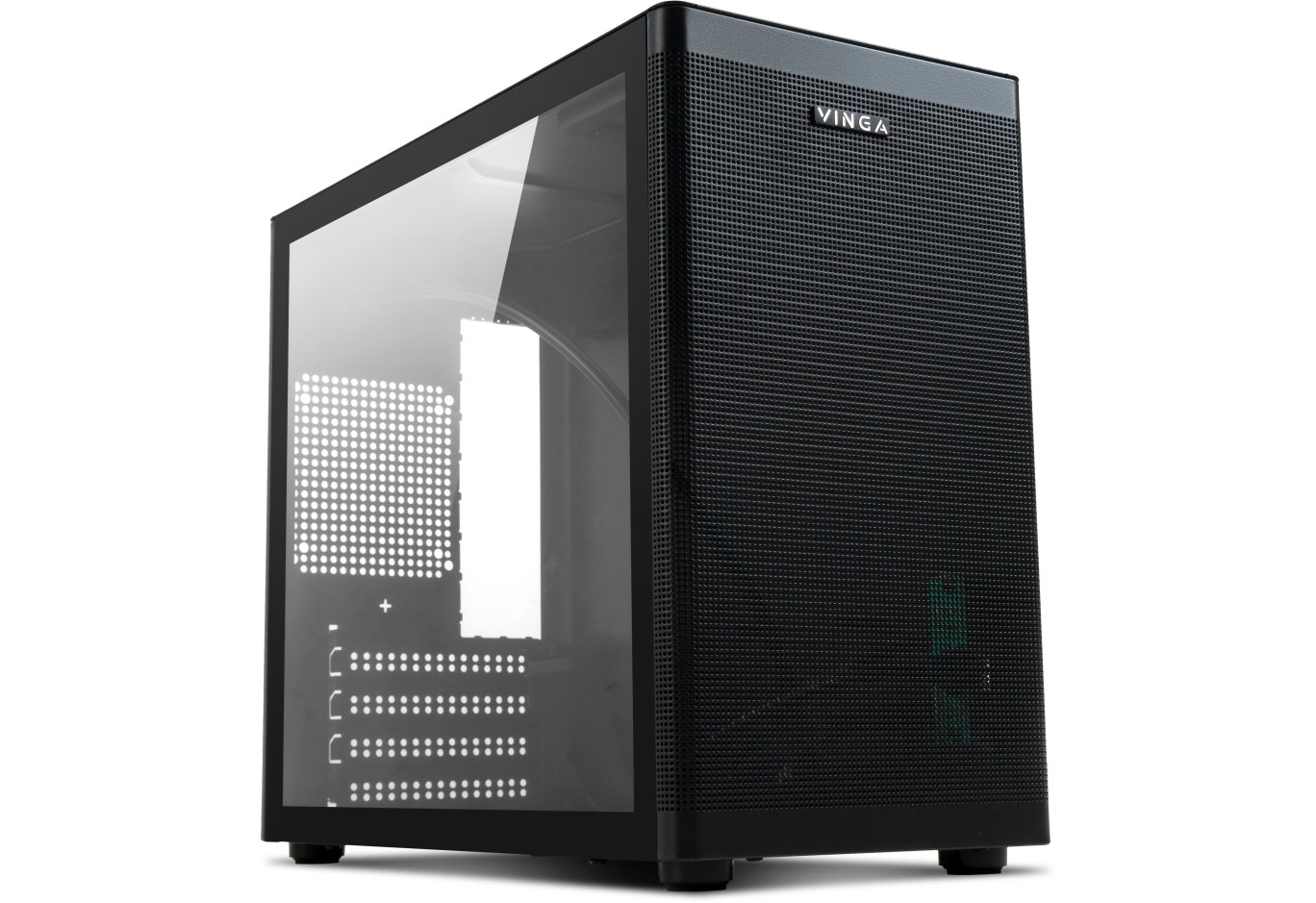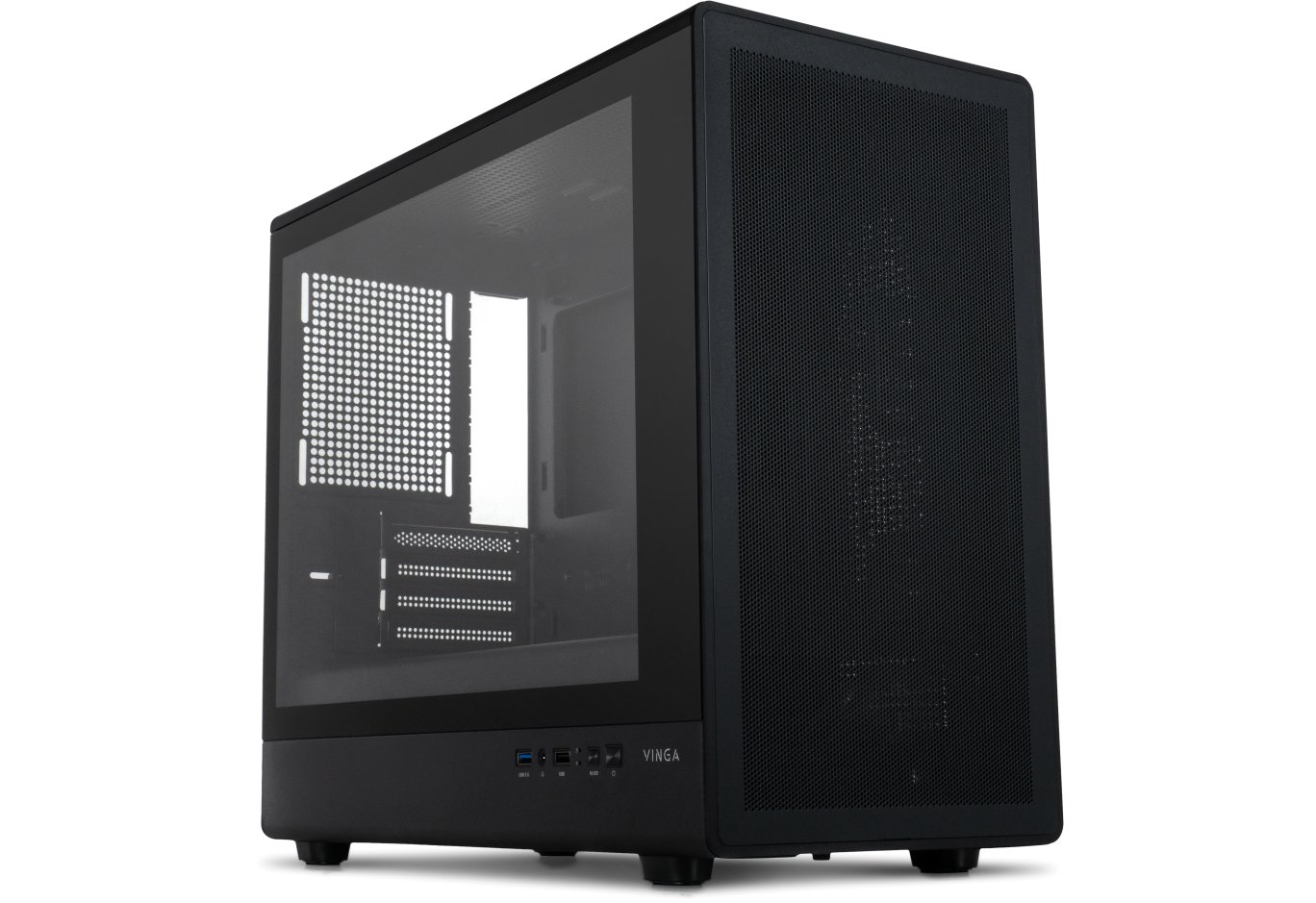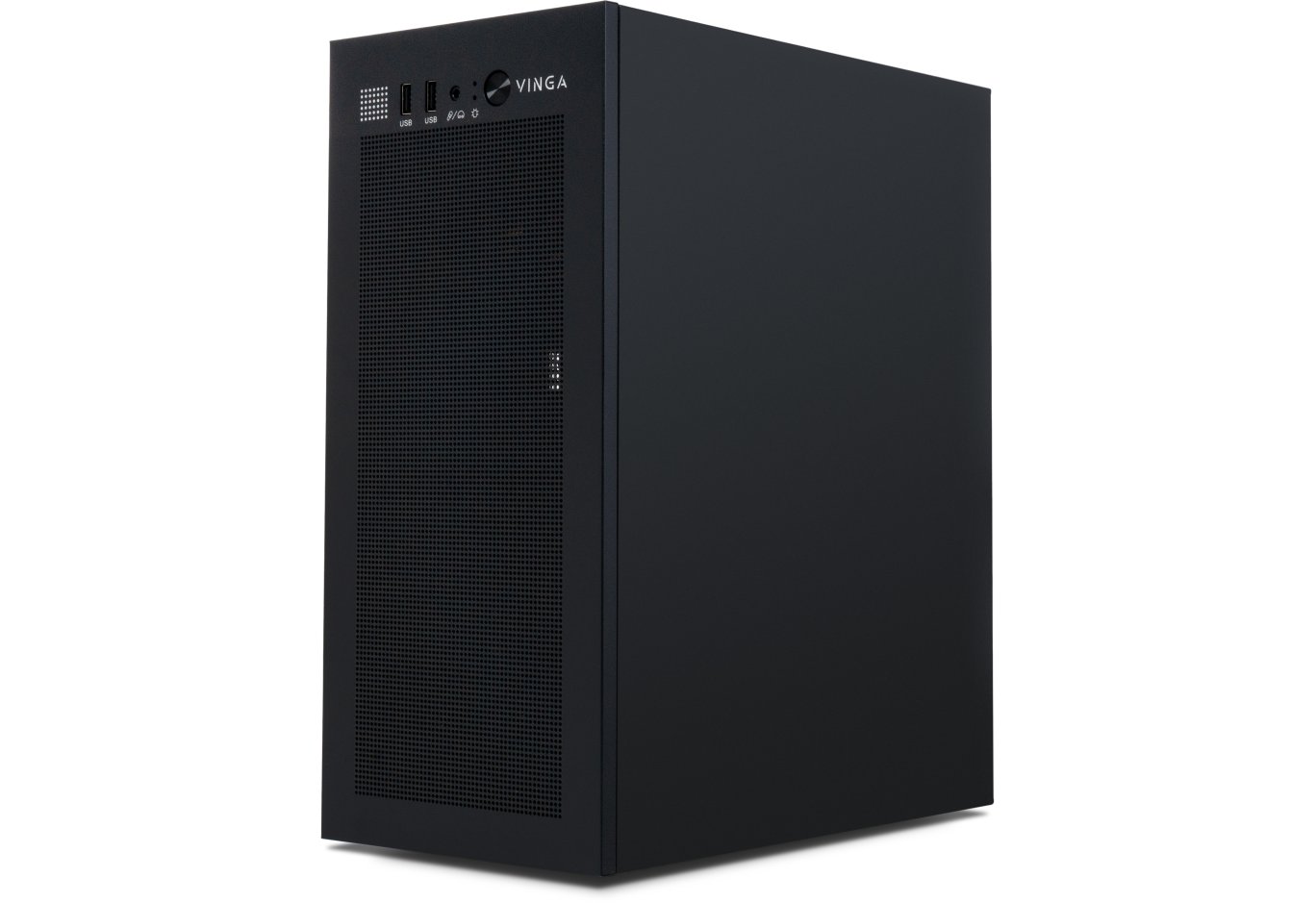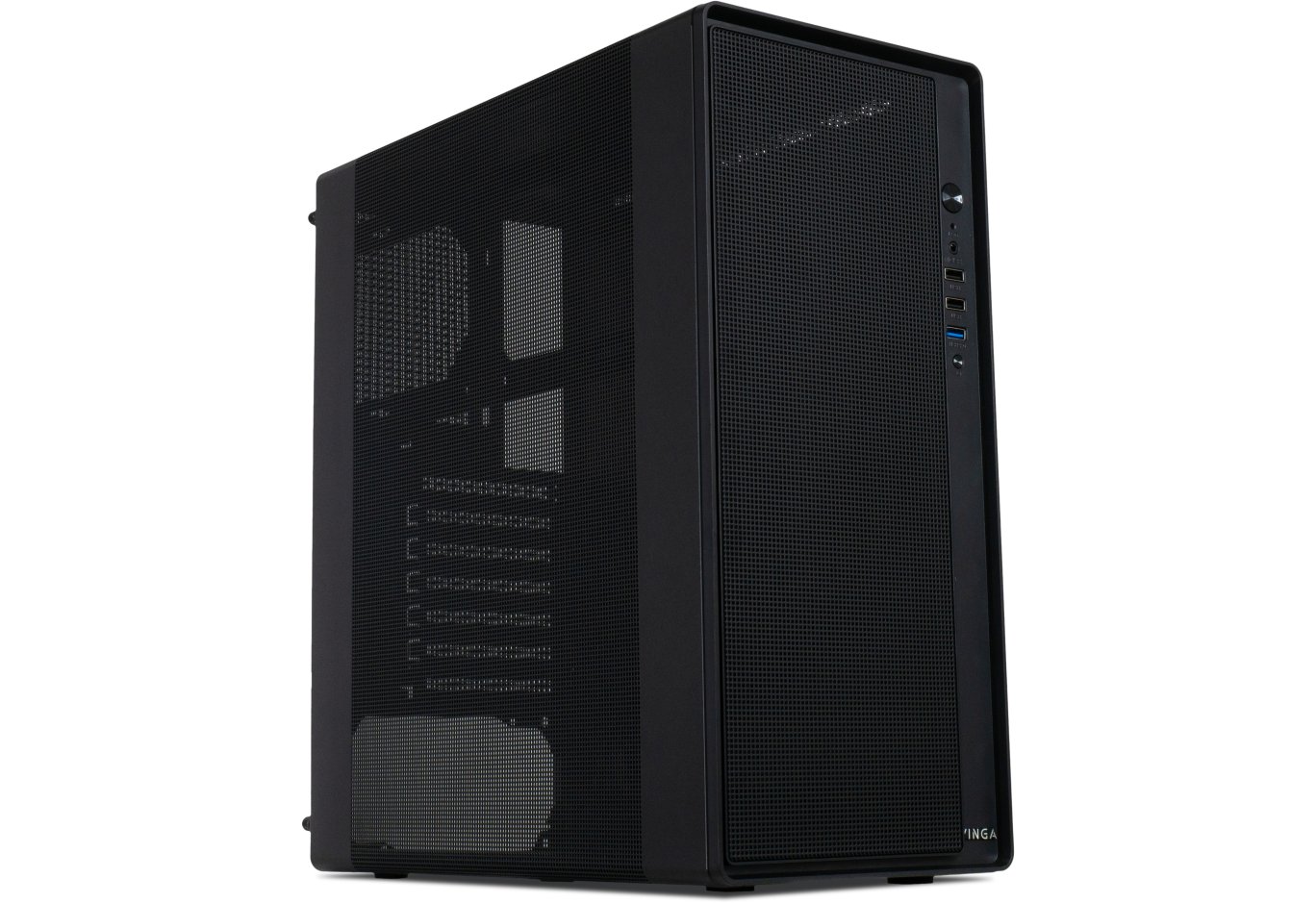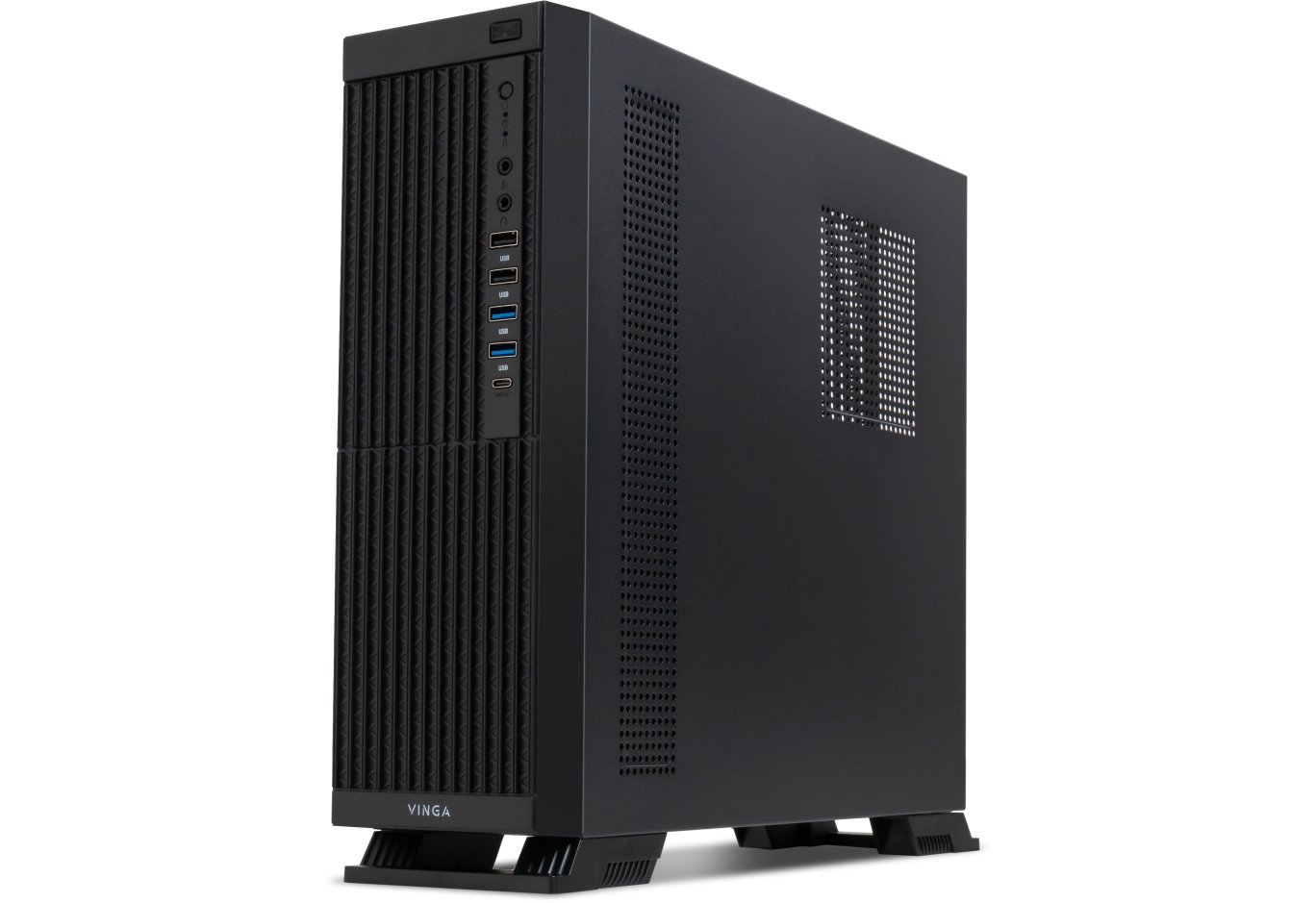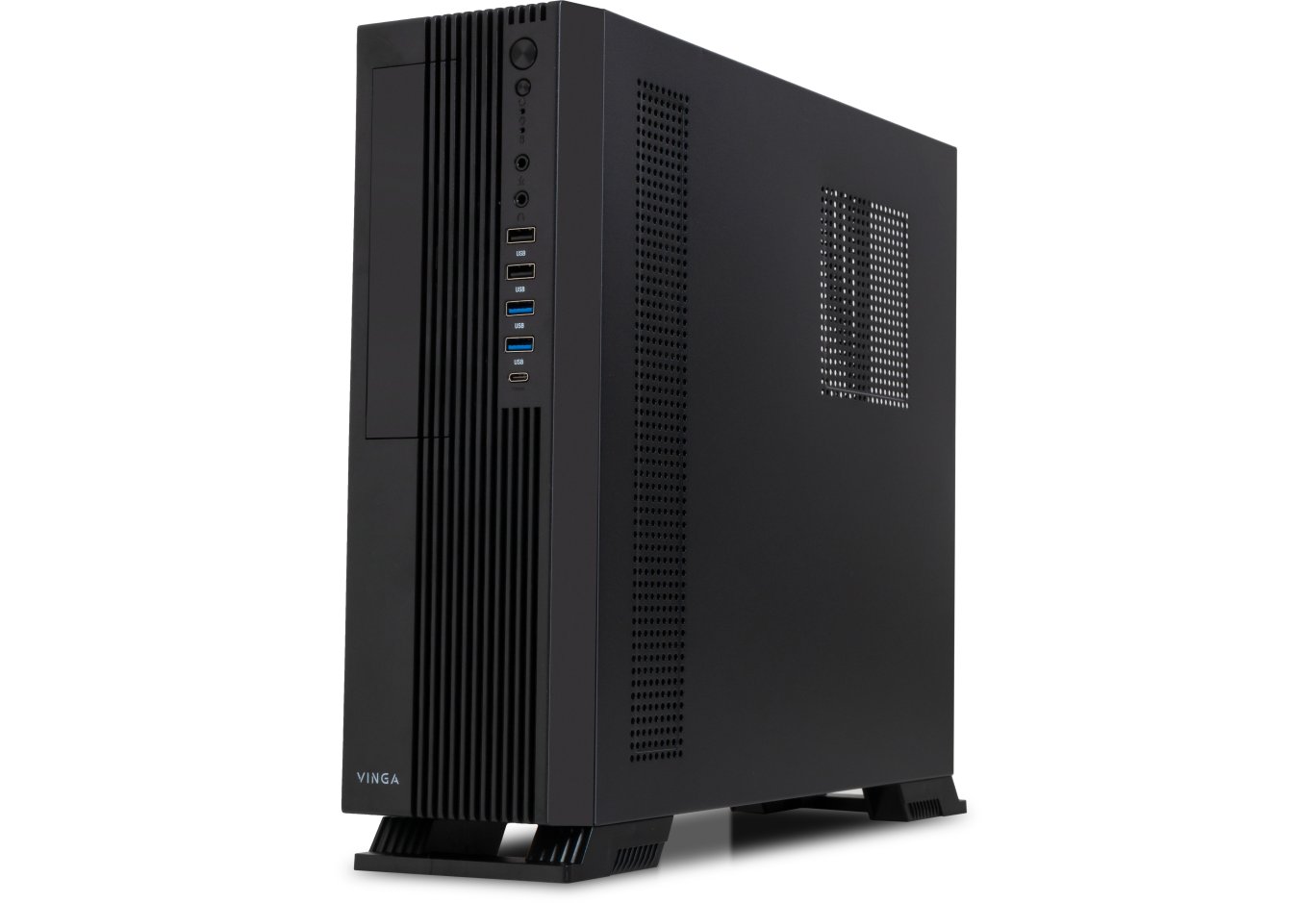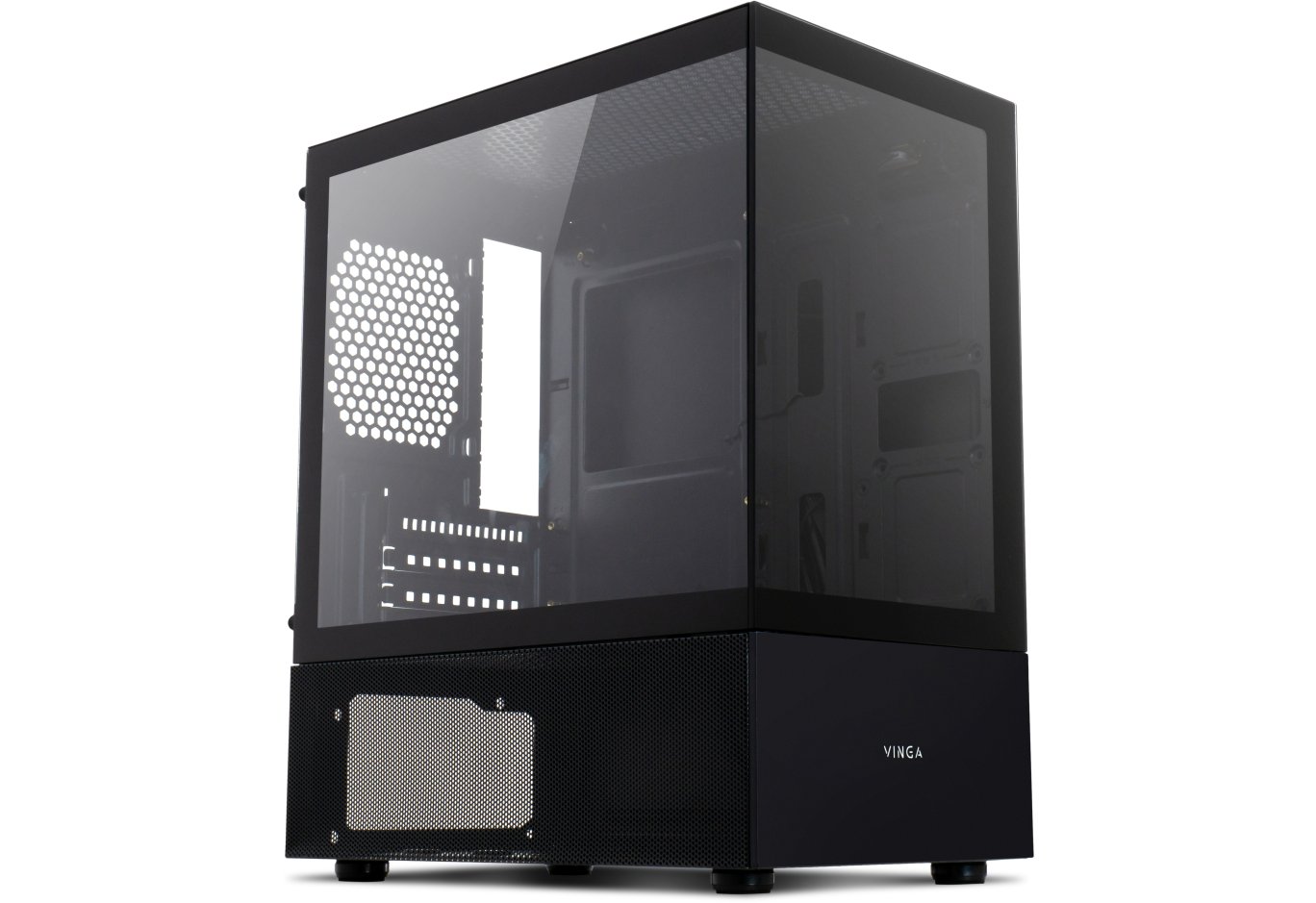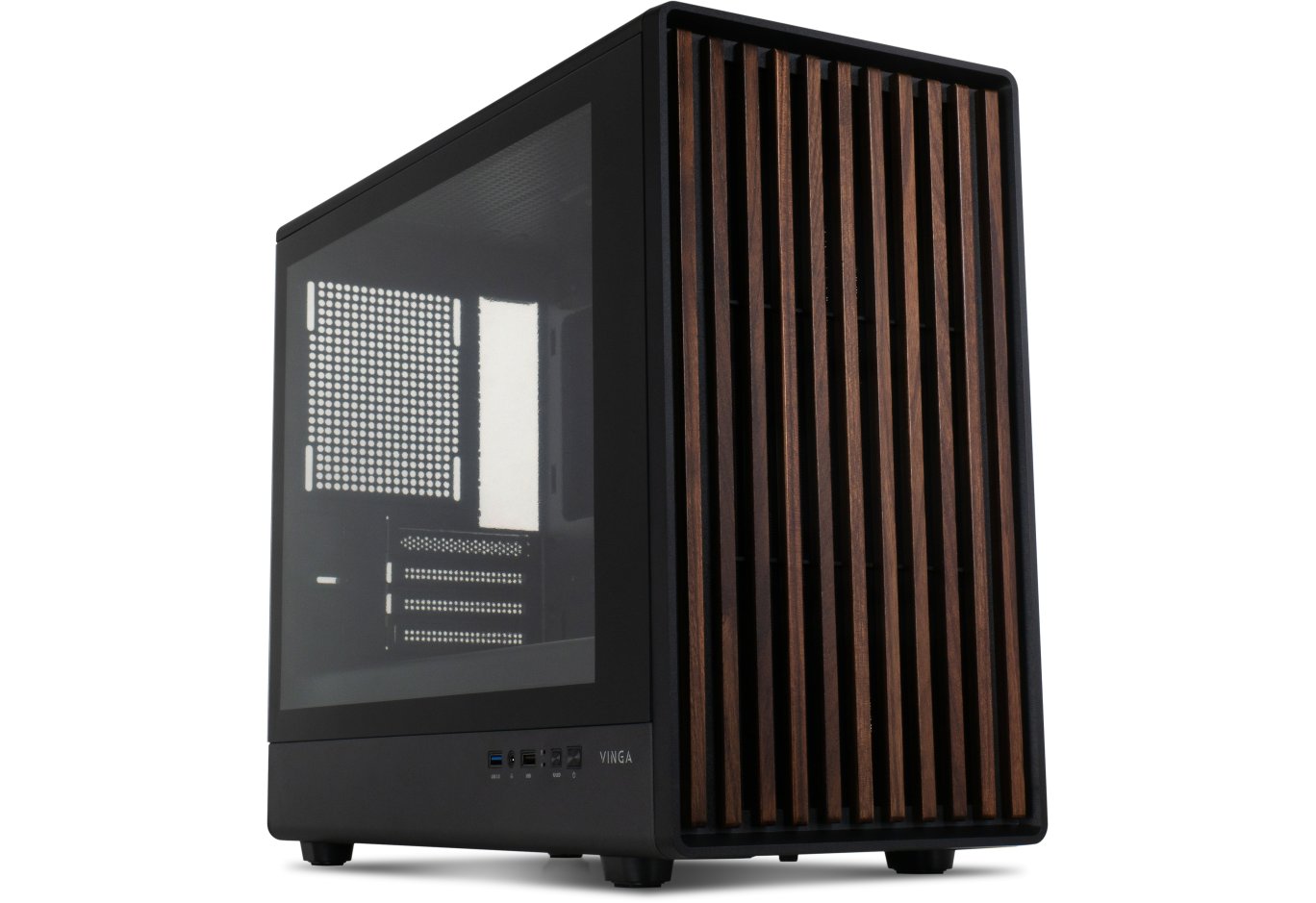
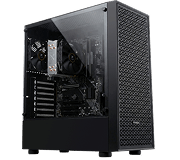


Корпус для ПК Vinga Tank
Зізнайтеся, занудьгували за корпусами Vinga? Ми - так. Адже протестовані раніше рішення були найрізноманітнішими: деякі хотілося відразу залишити собі, а іншим іноді чогось бракувало. Цього разу перед нами модель з першої категорії.

Вона отримала назву Vinga Tank, хоча особливої схожості з бронемашинами ми якось не розгледіли. Тут немає великої кількості яскравих вентиляторів, зате є вдосталь вільного простору і перфоровані панелі. Ви зможете встановити майже будь-які комплектуючі і з легкістю відводити від них тепло. Ну а в іншому ... Подивимося!
Специфікація
|
Модель |
Vinga Tank |
|
Типорозмір корпуса |
MidiTower |
|
Підтримка форм-факторів материнських плат |
E-ATX / ATX / microATX / Mini-ITX |
|
Колір |
Чорний |
|
Внутрішні відсіки |
2 х 3,5" / 2,5" 5 х 2,5" |
|
Слоти для карт розширення |
8 |
|
Максимальна довжина відеокарти (у дужках - власні виміри) |
380 мм (370 мм) |
|
Максимальна висота процесорного кулера (у дужках - власні виміри) |
165 мм (164 мм) |
|
Максимальна довжина блока живлення (у дужках - власні виміри) |
225 мм (210 мм) |
|
Роз'єми |
1 x USB 3.0 2 x USB 2.0 2 х аудіопорти |
|
Блок живлення |
Немає |
|
Попередньо встановлені вентилятори |
Немає |
|
Можливість встановити вентилятори і СВО |
|
|
На передній панелі |
2 х 140-мм / 3 х 120-мм / 240-мм СВО |
|
На верхній панелі |
2 х 140-мм / 2 х 120-мм / 240-мм СВО |
|
На тильній панелі |
1 х 120-мм |
|
На тонелі |
2 х 120-мм |
|
Матеріали |
|
|
Передня панель |
Пластик |
|
Шасі |
Сталь завтовшки 0,55-0,7 мм |
|
Права боковина |
Сталь завтовшки 0,63 мм |
|
Ліва боковина |
Скло завтовшки 3,9 мм |
|
Розміри корпуса (у дужках - власні виміри) |
510 x 210 x 430 мм (513 х 222 х 445 мм) |
|
Вага (в дужках - власні виміри) |
– (6,1 кг) |
|
Сайт виробника |
|
Упаковка і комплект постачання


Звичайна картонна коробка надає лише загальне уявлення про пристрій завдяки скромній табличці специфікації. Більше - на офіційному сайті, ще більше - у таблиці вище. Вирізані ручки також є, хоча для зручності транспортування краще скористатися скотчем.

Стяжки, динамік, стійки з головкою для монтажа, заглушка слота розширення і безліч гвинтів - більше супутніх компонентів ми не очікували. І на тому дякуємо!
Зовнішній вигляд
_1.jpg)
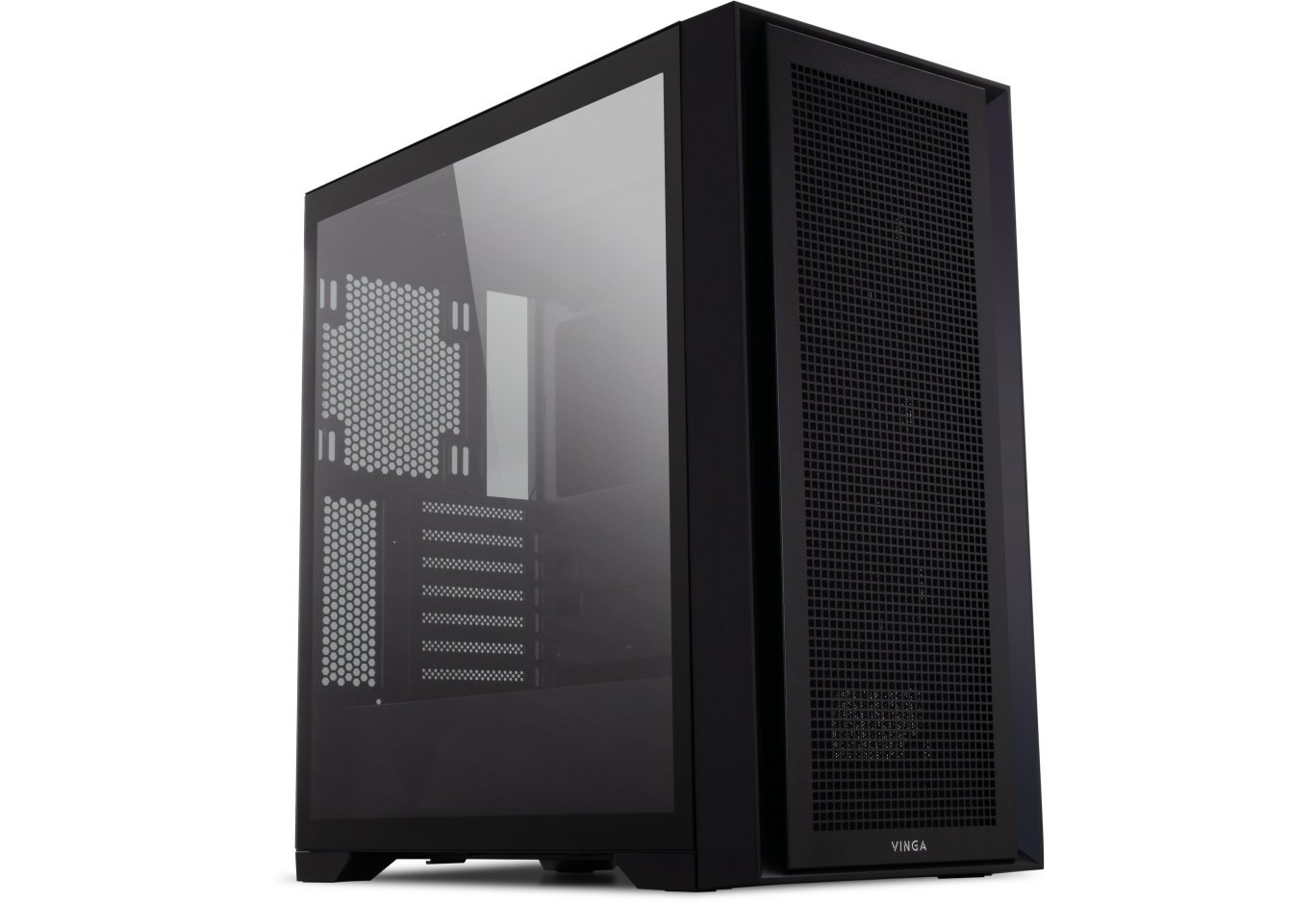
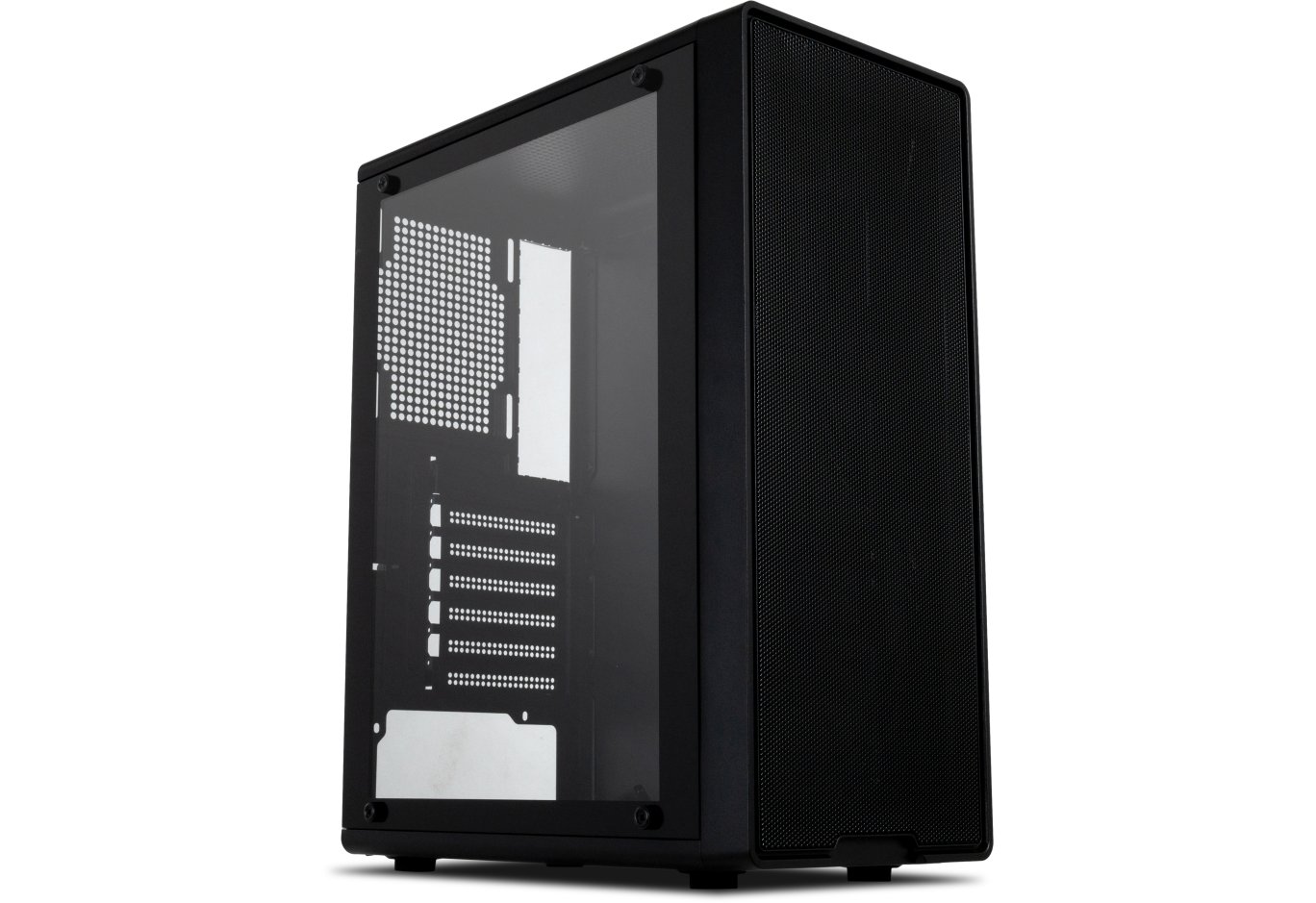
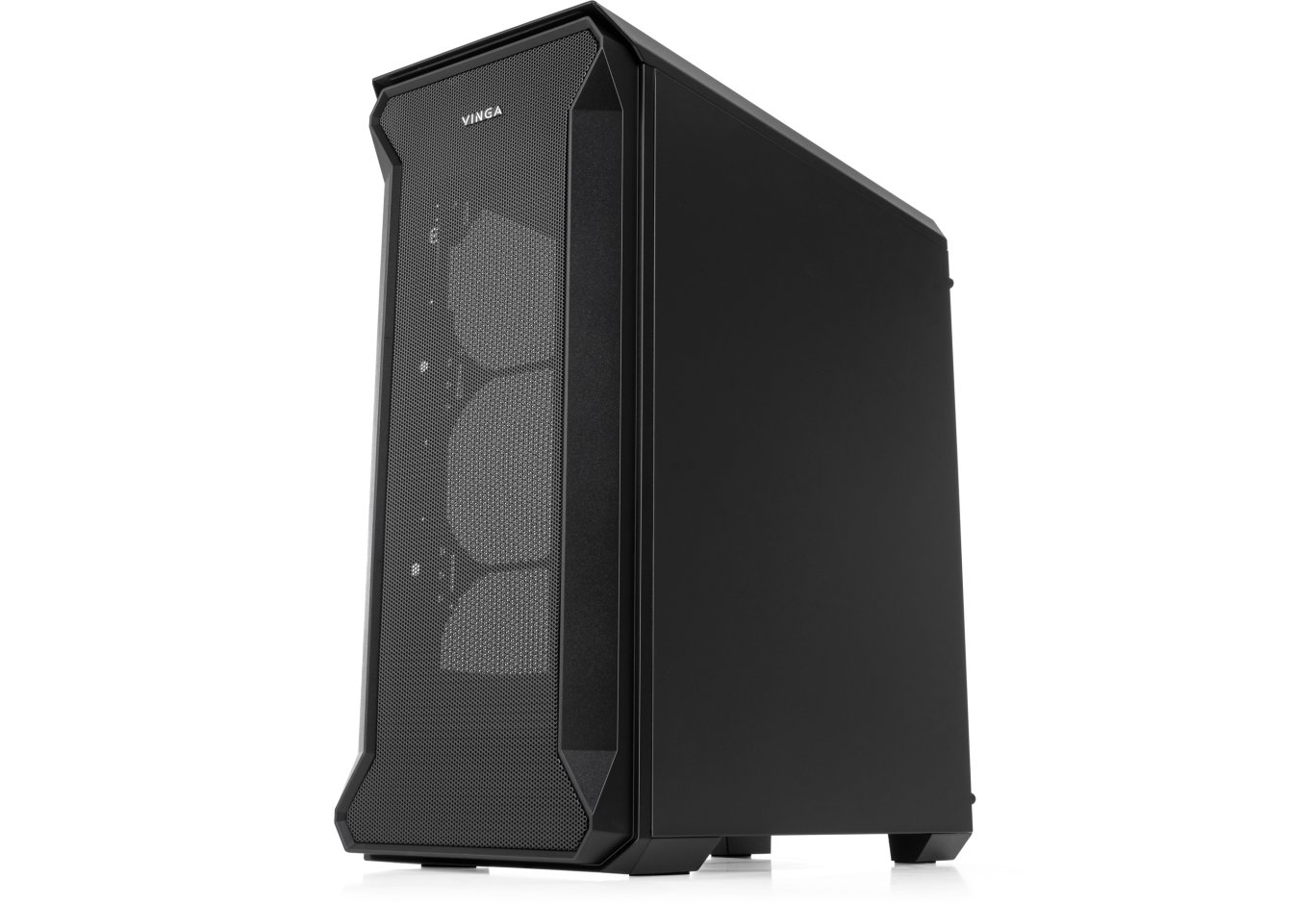
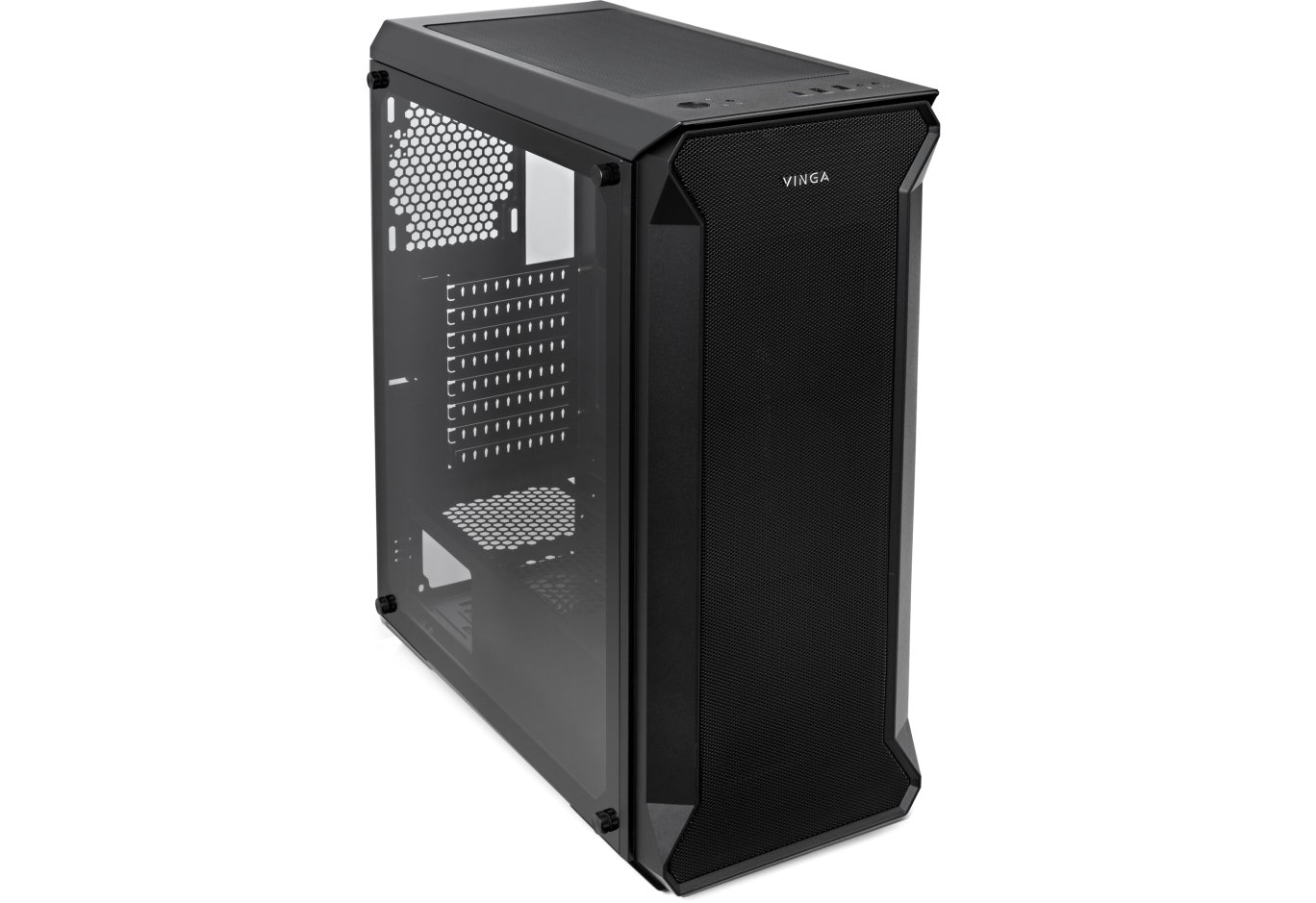
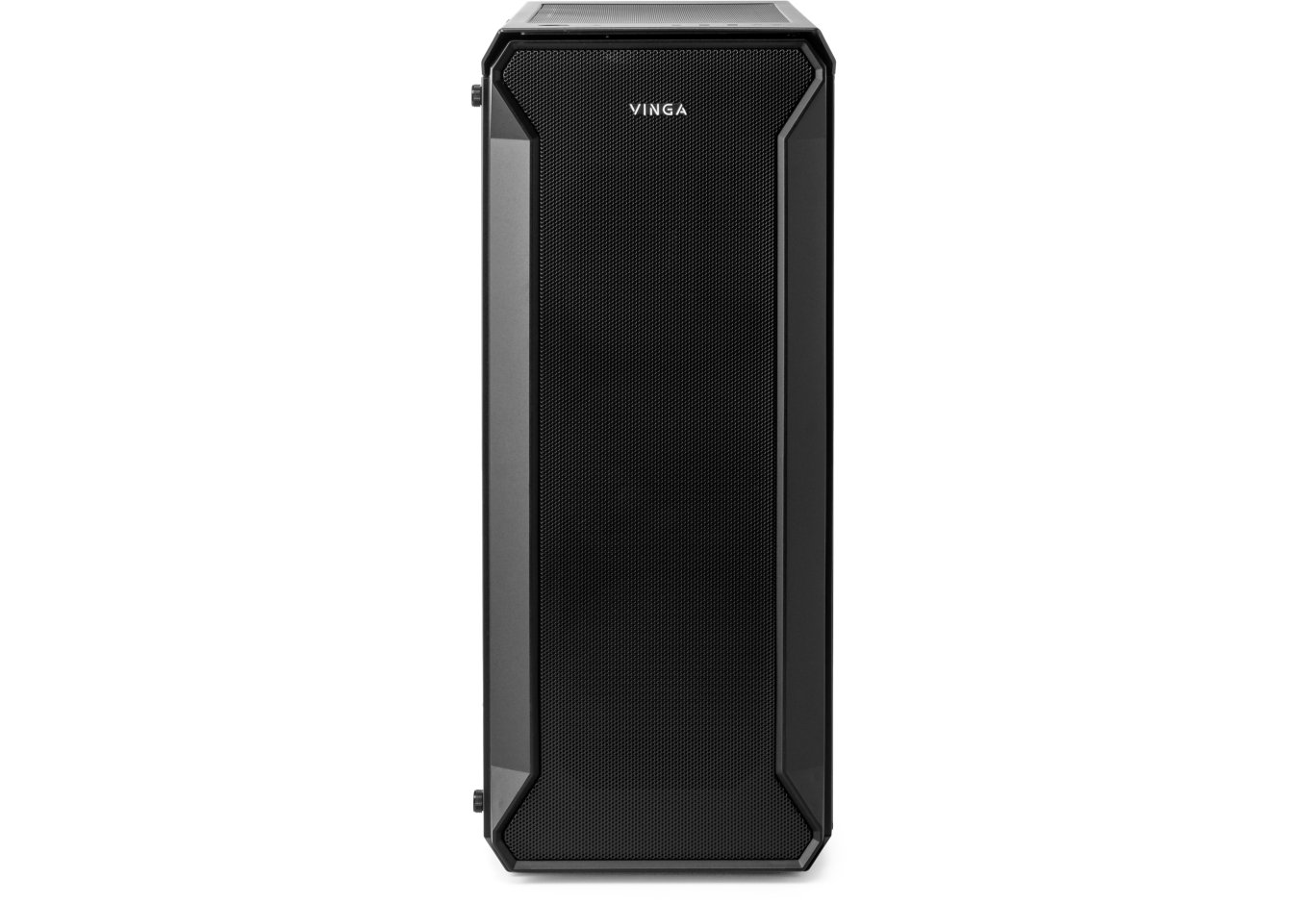
Велика частина передньої панелі Vinga Tank представлена металевою сіточкою. Але по-справжньому корисною є лише майданчик посередині, за яким розмістяться вентилятори або радіатор СВО. Фактура навколишнього пластика зовні близька до матового, однак відбитки збирає на раз-два. Добре, що вони легко видаляються.
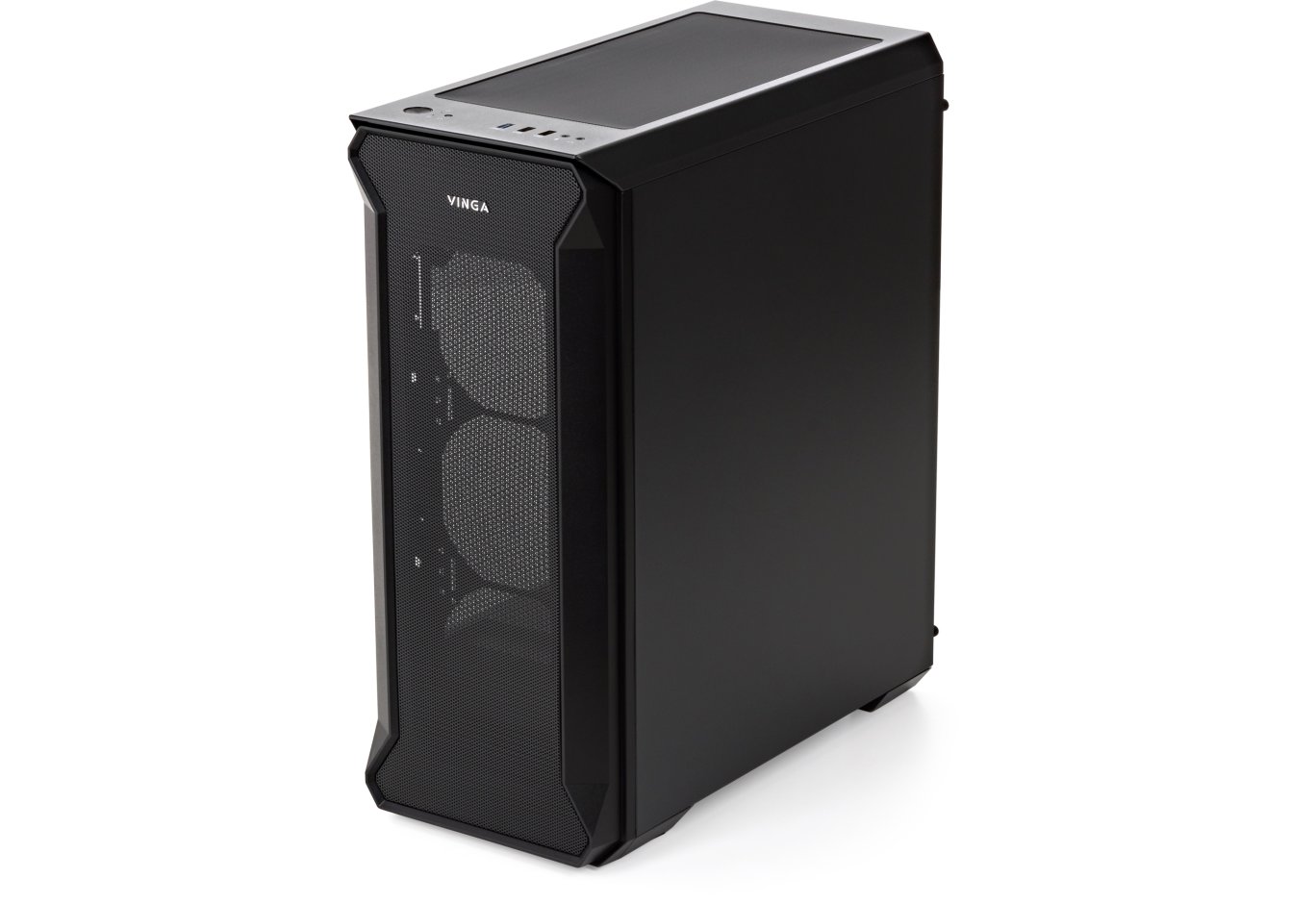
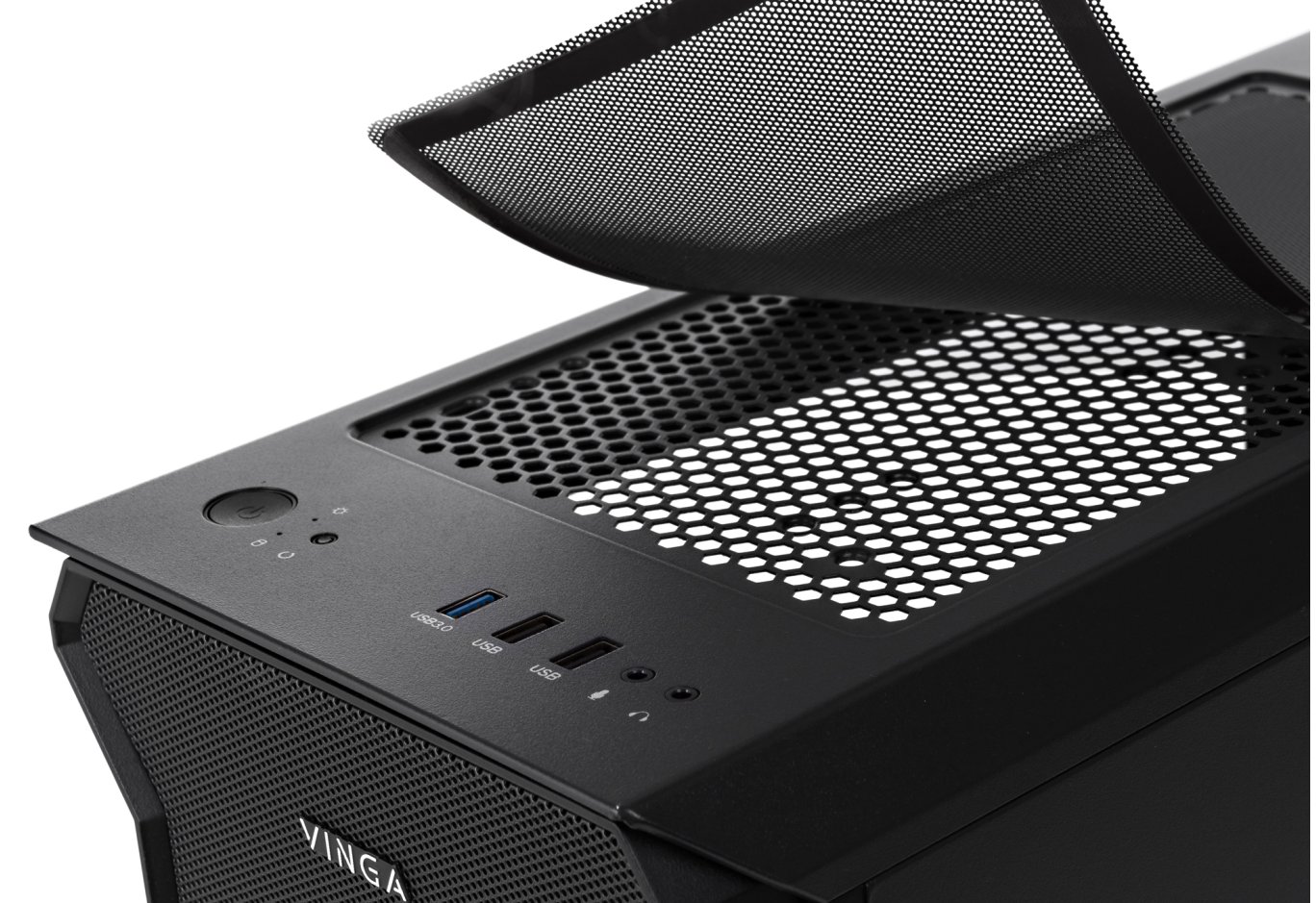
Стилізований логотип приємно розбавляє суворий вигляд. Ще вище, уже в горизонтальній площині, притулилися кнопки і інтерфейси. У їх числі один USB 3.0, пара USB 2.0 з аудіороз'ємами, а також традиційні кнопки ввімкнення і перезавантаження. Останні доповнені індикаторами живлення і активності жорсткого диска помірної яскравості.
Кріпиться передня панель на засувках, тому зняти її не складно. Чого ми не очікували побачити, так це магнітного фільтра позаду неї. І тим не менше, він є! Відмінне доповнення для пари 140-мм або трійки 120-мм вентиляторів. Звичайно ж, радіатора СВО тут також знайдеться місце, але максимум 240-мм - встановлення більш габаритного рішення перешкодить кошик для накопичувачів.

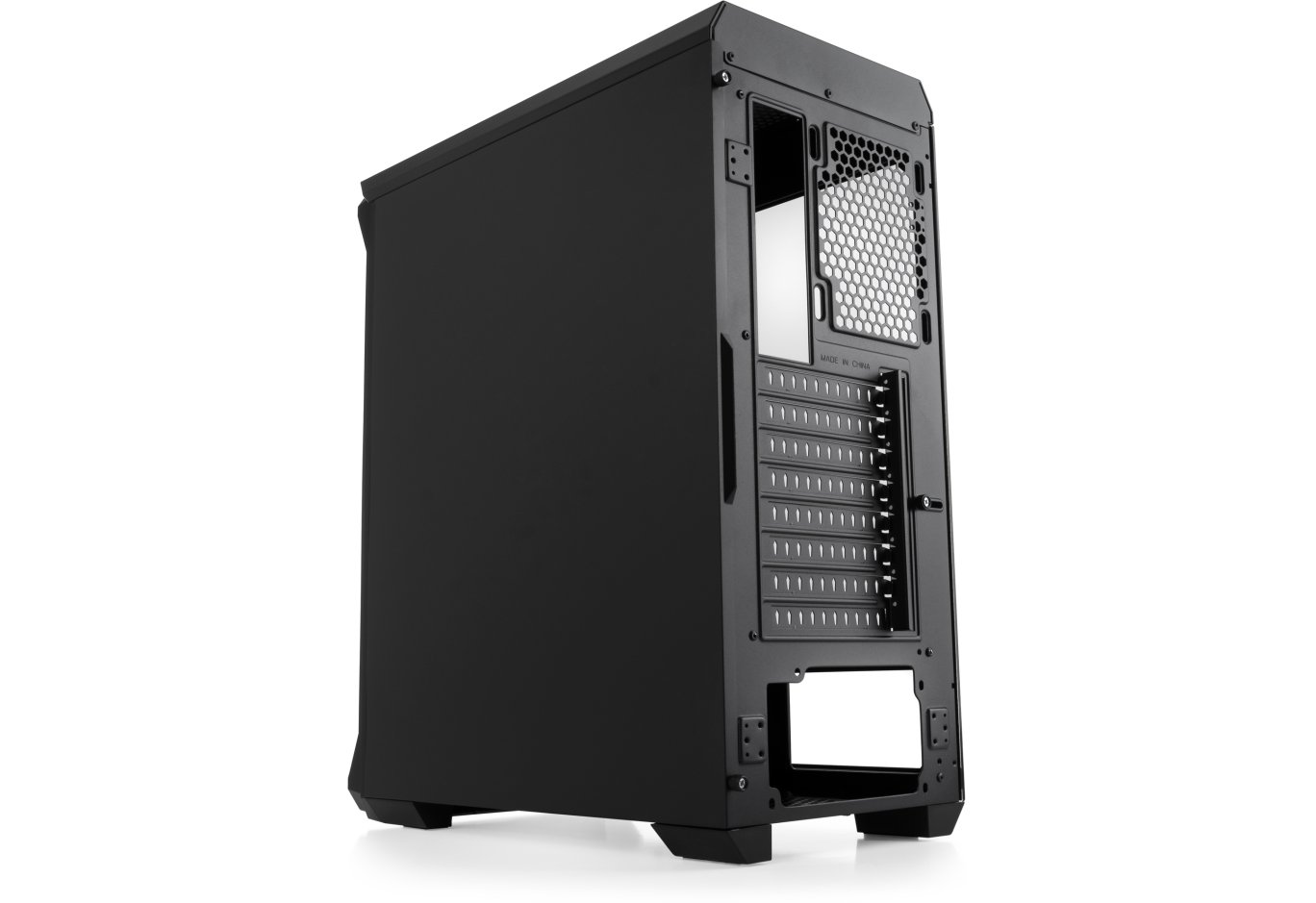
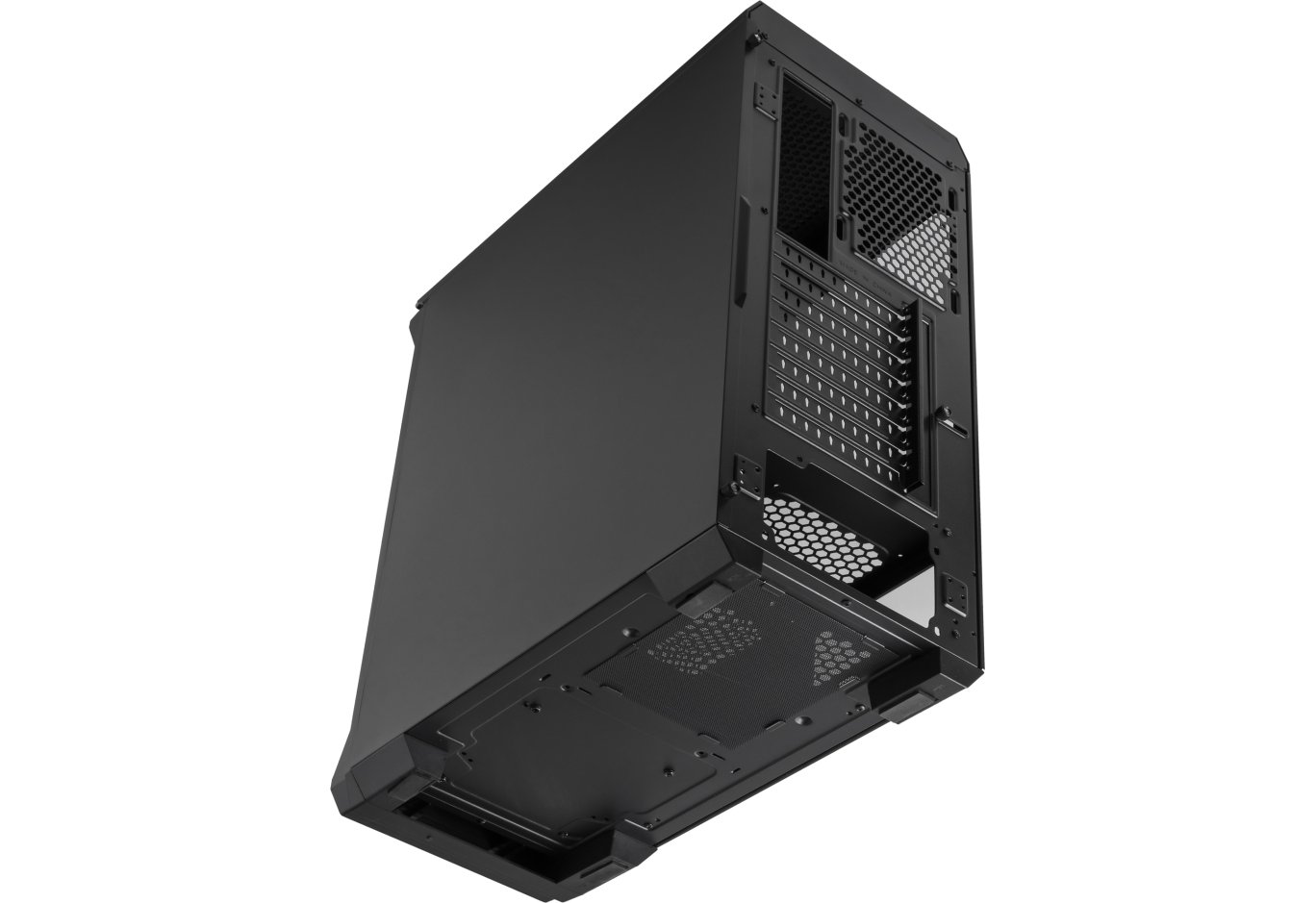
Тильна панель пофарбована в чорний колір під стать боковин. Фірмовою рисою корпусів Vinga є вертикальні пази для монтажу 120-мм вентилятора, що дозволяють регулювання висоти його розміщення. Нижче маємо вісім слотів розширення з бюджетними одноразовими заглушками та загальною притискною пластиною. Кульмінацією є нижнє розташування блока живлення.
У цій же площині фіксується права металева боковина. Аналогічні отвори передбачені і для іншої боковини, але вони не задіяні.

Дно Vinga Tank не позбавлене шару чорної фарби. З цікавого тут маємо знімний фільтр-сіточку, що очищає повітря для БЖ, а також чотири пластикові ніжки з пом'якшуючими накладками. Висота останніх (21 мм) дозволить джерела не задихнутися навіть при встановленні системника на килимі.

Крім елементів у передній частині, верхня панель також може похвалитися пиловим фільтром.

Магнітне кріплення спрощує його демонтаж і встановлення, а місця для пари 140/120-мм вентиляторів або 240-мм радіатора СВО ніколи не будуть зайвими. Якщо ж покупка пропелера не планується, то нагріте повітря буде швидше залишати корпус шляхом природної конвекції.
_2.jpg)
Як уже мимохіть згадувалося вище, конструкція правої і лівої боковин відрізняється. Перша являє собою сталевий лист товщиною 0,63 мм із звичними ребрами жорсткості. Хотілося б більше, але бюджет не дозволив.
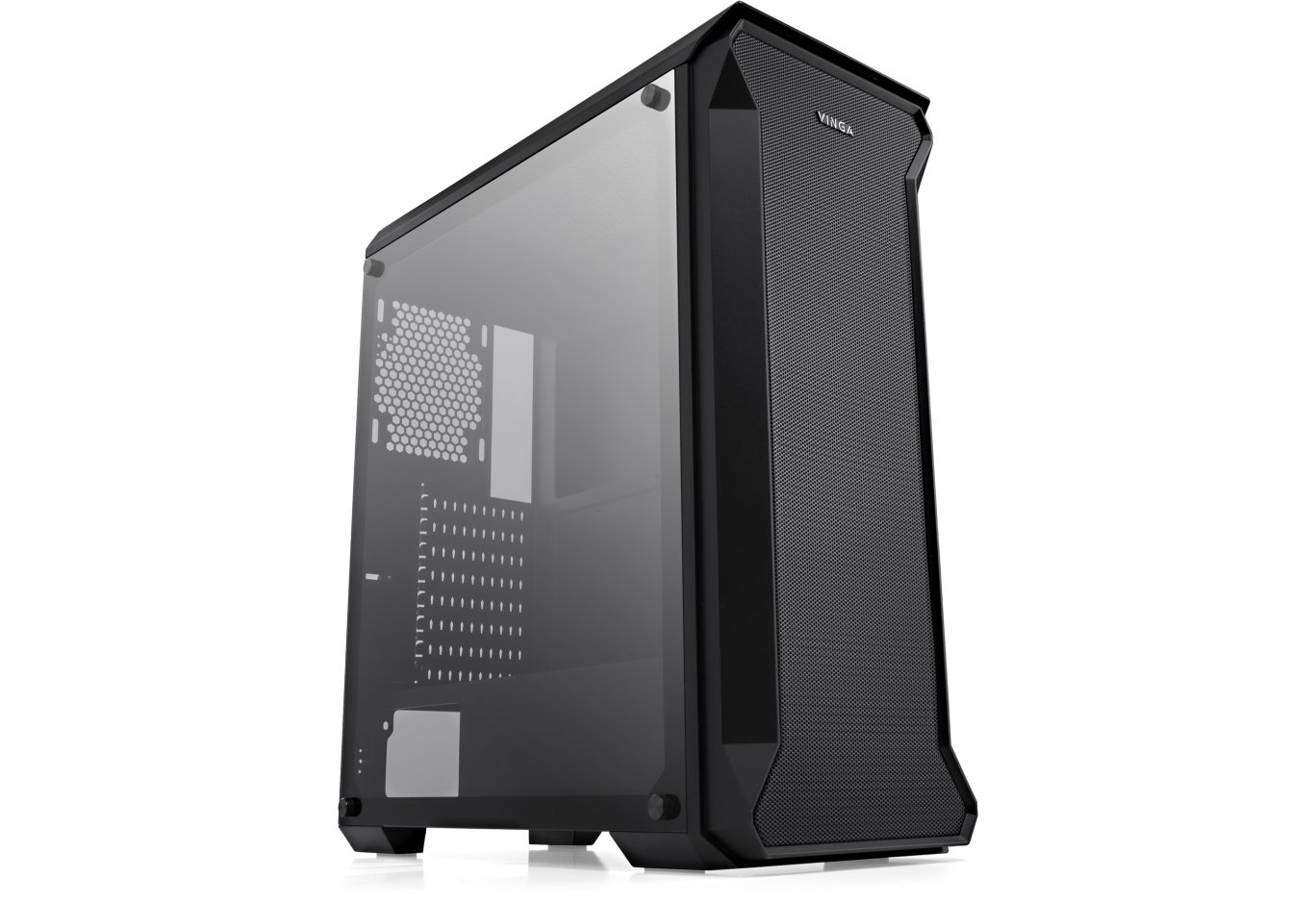
Інша справа друга, ліва - 3,9-мм скло з окантовкою з боків дозволяє розгледіти все і вся всередині, тим більше що обійшлося без тонування. Кріплення звичне для такого роду панелей - у тій же площині чотирма гвинтами з фігурними головками.
Внутрішня будова

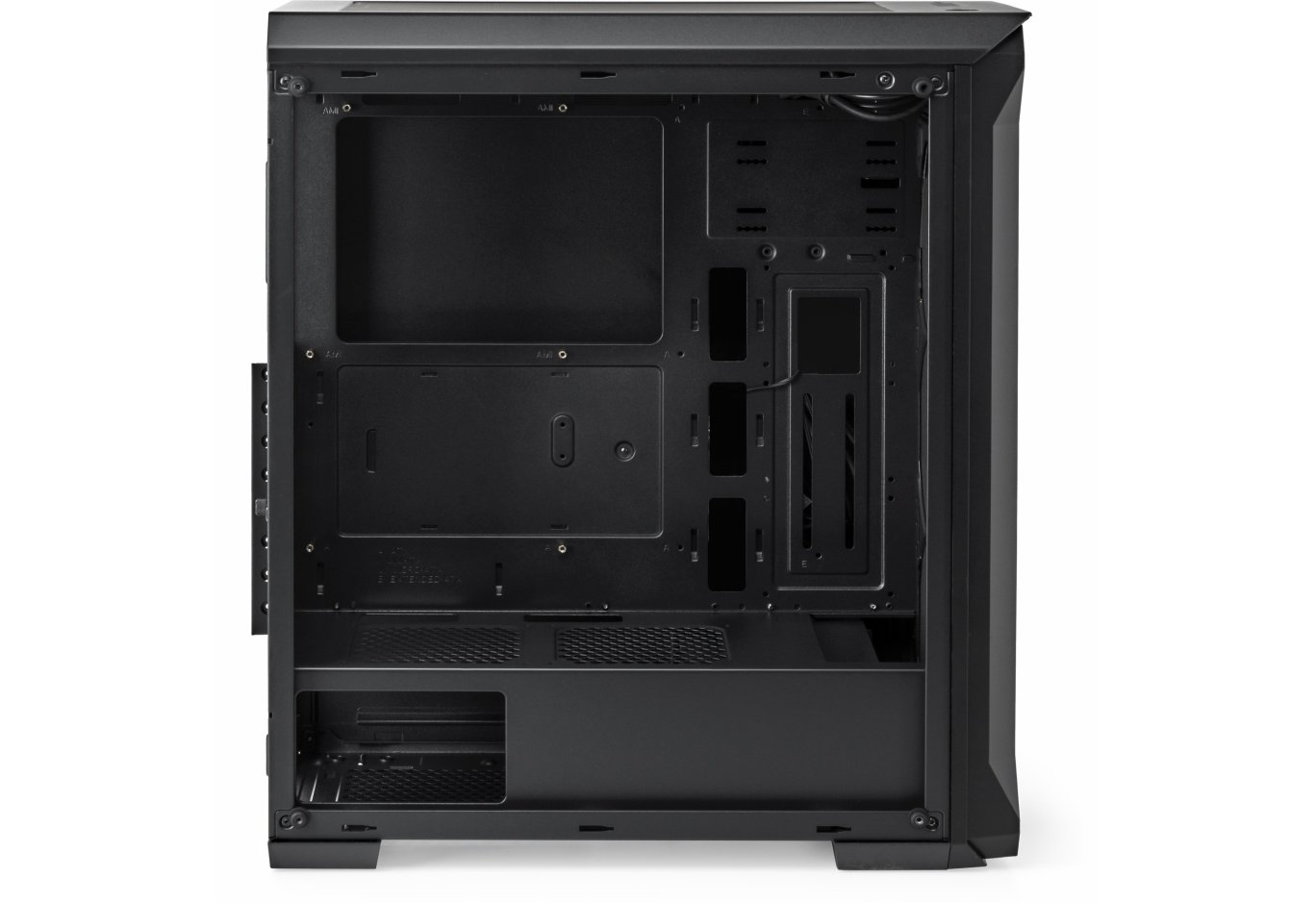
Усередині також впізнаються риси протестованих раніше корпусів Vinga: верхня частина позбавлена стійок і кошиків, тому цілком може використовуватися материнською платою і встановленими на ній компонентами.

Крім звичних ATX, microATX і Mini-ITX-плат, усередину Vinga Tank можна встановити більш габаритні E-ATX-рішення. І все це в форматі MidiTower.

Ну а тунель внизу відведений для джерела живлення і низки накопичувачів. Не забув виробити і про вирізи в піддоні для встановлення громіздких СО з підсилювальною пластиною, без демонтажу материнської плати.

Місця для пари SSD тут помітити не складно - кріпляться накопичувачі комплектними гвинтами, а сам кронштейн фіксується ще одним елементом за допомогою фігурної викрутки.

Пластикові лотки готові прихистити ще по одному 3,5" або 2,5" накопичувача. Більші HDD встановлюються безгвинтовим способом - стінки розсуваються і зсуваються назад.
_3.jpg)
А ось у разі з компактними моделями без викрутки не обійтися.
_4.jpg)
Поруч знайдеться місце для довгого джерела живлення - 210 мм простору вистачить із запасом для майже будь-якої моделі. А віконце на зворотному боці тунелю дозволить милуватися принаймні наклейкою з електротехнічними характеристиками даного компонента. Шкода лише, що про антивібраційні прокладки у місці встановлення БЖ забули, а точніше - на них зекономили.
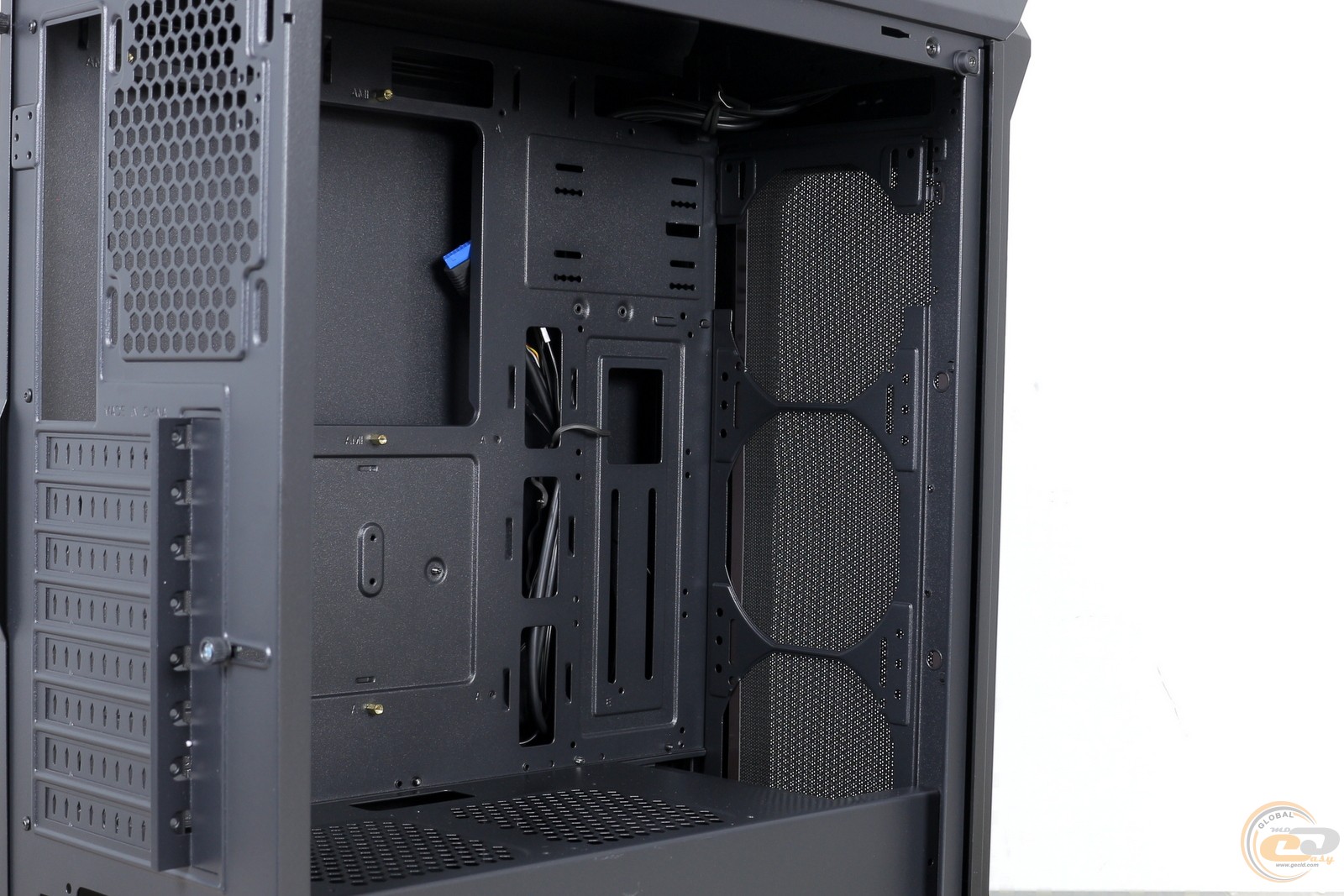
Але повернемося до накопичувачів. Вищезазначені посадкові місця є найзручнішими, адже для встановлення носіїв досить зняти лише ліву боковину. А ось при монтажі максимум трьох SSD на піддоні ближче до переду доведеться повозитися ще і з другої.

Також на тунелі є місця для кріплення вертушок - сюди можна встановити пару 120-мм рішень.

Зовні і всередині тильна панель виглядає скромно за рахунок одноразових перфорованих заглушок. Ну і хай, при ціні в $45 це цілком очікувано. Але що сюди реально можна вмістити?

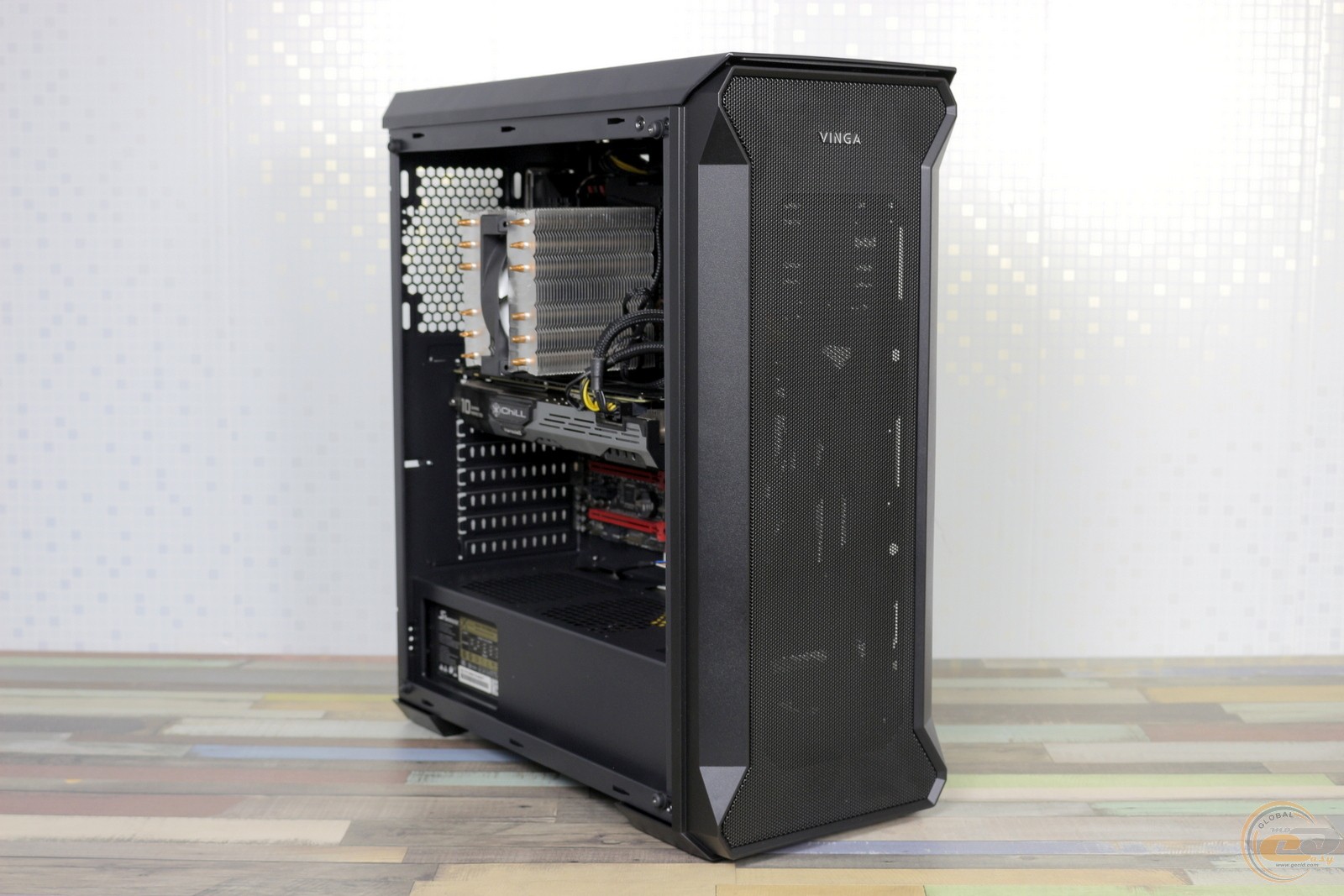
Згідно з нашими вимірами, довжина відеокарти може досягати вражаючих 370 мм. Так, позаду 300-мм Inno3D iChill GeForce GTX 1080 X3 залишається ще вдосталь вільного простору. Та й процесорні кулери висотою до 164 мм запросто сюди помістяться, у чому допоможе виріз на піддоні.

У підсумку всередині Vinga Tank знайдеться місце для абсолютної більшості наявних на ринку комплектуючих. Особливо не морочтеся з їх розмірами, а краще зверніть увагу на найпродуктивніші рішення.

Місця для прихованого укладання кабелів тут також вдосталь. Не забудьте і про наявність комплектних стяжок.

Що стосується дротів, які йдуть від передньої панелі, то вони мають достатню довжину, навіть беручи до уваги габарити самого корпуса. Так що з їх підключенням проблем не буде.
|
Найменування |
Довжина, см |
|
USB 3.0 |
65 |
|
USB 2.0 |
65 |
|
HD Audio |
65 |
|
Кнопки та індикатори |
65 |
Тепер про те, чого не видно, але про що варто написати. Застосування в складі шасі сталі товщиною 0,55-0,71 мм, великі габарити корпуса і відсутність стійок - усе це позначилося на жорсткості конструкції. Суб'єктивно, він відчувається не настільки міцним, як більш компактні рішення.
А ось претензій до якості підгону деталей, обробки крайок, зазорів та інших дрібниць збірки у нас не виникло. Сам процес збірки пройшов без проблем - місця-то всередині хоч відбавляй.
_5.jpg)
Ось так корпус може виглядати при встановленні пропелерів із LED-підсвічуванням. Але це вже тільки на розсуд власника.
Тестування
|
Процесор |
Intel Core i7-5960X (Socket LGA2011-v3, 3,0 ГГц, L3 20 МБ) @ 4,00 ГГц |
|
Кулер |
Deepcool NEPTWIN V2 (1250 об/хв) |
|
Материнська плата |
ASUS RAMPAGE V EXTREME (Intel X99, Socket LGA2011-v3, E-ATX) |
|
Оперативна пам'ять |
4 x DDR4-3000 4 ГБ HyperX Predator (HX430C15PBK4/16) |
|
Відеокарта |
Inno3D iChill GeForce GTX 1080 HerculeZ (1550 об/хв) |
|
SSD |
HyperX FURY SSD (SHFS37A/240G) |
|
Блоки живлення |
Seasonic X-760 Gold (SS-760KM Active PFC, ATX, 760W) |
|
Термопаста |
Noctua NT-H1 |
Корпус Vinga Tank постачається без пропелерів. Нашу ж тестову конфігурацію ніяк не назвеш холодною. Довелося озброїтися додатковими тихими (1250 об/хв) і ефективними 120-мм вентиляторами з набору CHIEFTEC TORNADO RGB COOLING KIT. Тестувалася система з одним тильним, двома (+фронтальний внизу) і трьома (+фронтальний посередині) вентиляторами. Температура повітря в приміщенні становила 25°C.


Навіть з одним пропелером система відчуває себе добре. Відставання від відкритого стенда склало від 2°C (SSD) до 12°C (відеокарта), що не так вже й багато.
Встановлення ще одного пропелера до нижньої частини передньої панелі головним чином остудила SSD, який і до цього не був особливо гарячим. В інших разах особливої погоди це не зробило.
А ось ще один передній вентилятор, змонтований трохи вище, допоміг у низці випадків обігнати показники відкритого стенду - його наявність відчули майже всі компоненти. І саме його ми радимо ставити в пару до заднього, адже на шляху проходження повітряного потоку знаходиться відеокарта, чіпсет, околосокетні елементи і навіть CPU.
Хоча при обмеженому бюджеті і не настільки гарячих компонентах одного тильного вентилятора буде досить, щоб комплектуючі не задихнулись - спасибі щедрій перфорації спереду і вгорі.
Підсумки

При ціні близько $45 Vinga Tank є досить доступним рішенням як у цілому, так і в модельній низці виробника. Заощадили на встановленому пропелері - доведеться окремо прикупити один-два пропелери (на тильну і фронтальну стінку) у разі організації потужної системи. Зате є завжди доречні пилові фільтри за передньою панеллю, вгорі і під блоком живлення. Але ж вони не часто зустрічаються і в більш дорогих моделях. Такий продувності позаздрять багато. Бюджету вистачило навіть для 3,9-мм скляній боковини.
На цьому список приводів для радості не припиняється: вісім слотів розширення, підтримка плат формату E-ATX, габаритних відеокарт і кулерів, місця для встановлення семи накопичувачів, та й просто велика кількість вільного простору. Навіть топова система тут буде почувати себе затишно.
Можна поскаржитися лише на жорсткість конструкції - досить тонкий метал у поєднанні з великими габаритами відчувається не дуже міцним. Але критичним недоліком це не є. У результаті Vinga Tank - це привабливий варіант при обмеженому бюджеті і бажання отримати великий корпус, що добре продувається.
Переваги:
- строгий сучасний дизайн;
- хороша продуваність передньої і верхньої панелей;
- хороша якість збірки шасі, обробки крайок панелей і забарвлення корпуса;
- підтримка 370-мм відеокарт, 164-мм процесорних кулерів і габаритних БЖ;
- вісім слотів розширення і підтримка E-ATX-плат;
- можливість встановити до восьми 120-мм вентиляторів та 240-мм радіаторів СВО;
- підтримка пари 3,5"/ 2,5" і п'яти 2,5" накопичувачів;
- пилові фільтри на дні, попереду і вгорі, а також м'які ніжки;
- прозора ліва бічна панель;
- хороші можливості для прихованого укладання кабелів;
- доступна ціна.
Автор: Олесь Пахолок
Переклад: Лілія Масюк
Схожі товари