Although the system case does not directly affect the computational power of the computer, it plays a key role in three aspects: providing cooling, ease of installation, and appearance. When the budget is limited, it is difficult to choose an option that meets all these requirements simultaneously. One such candidate could be today's guest.
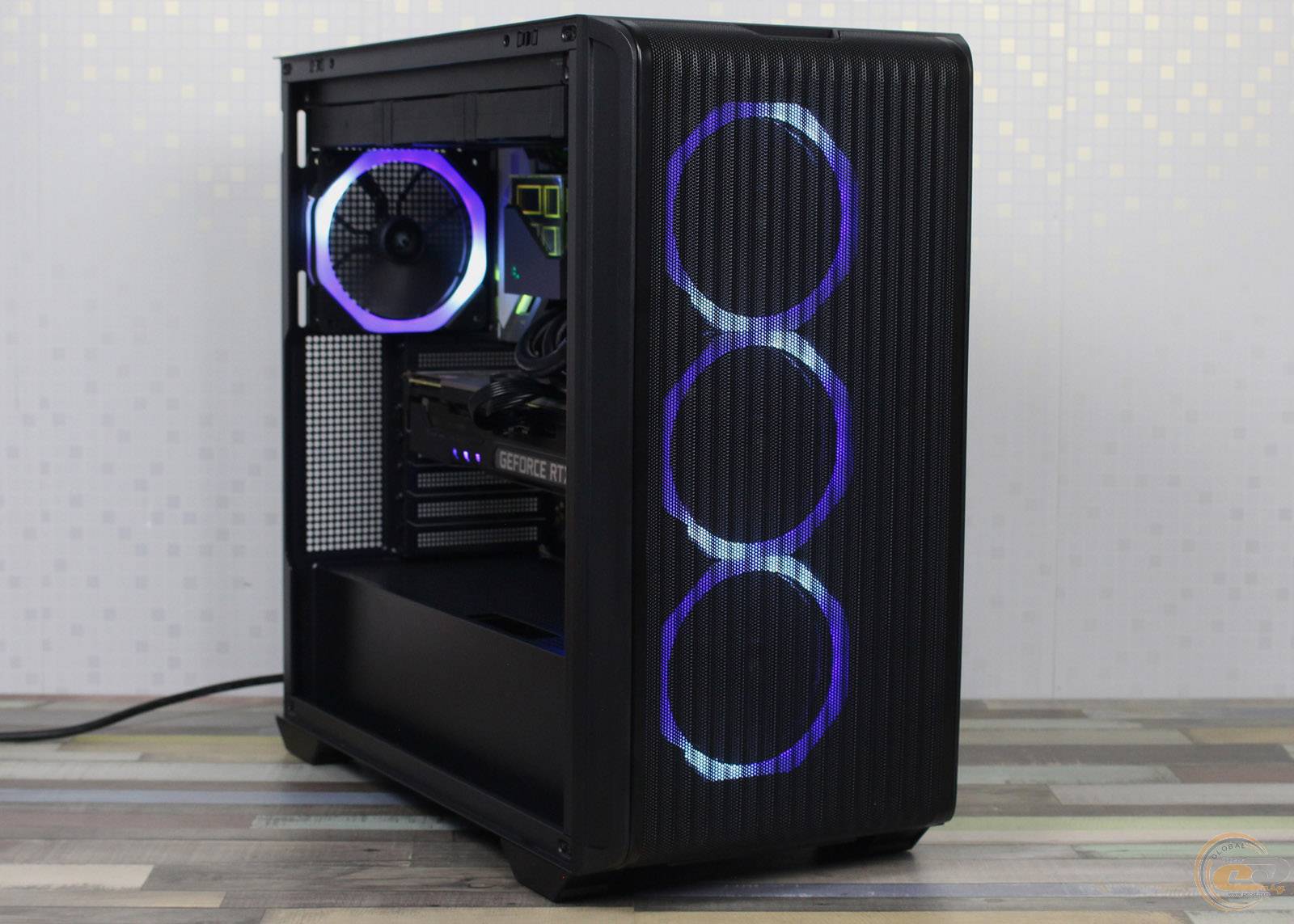
Vinga Cage is a new addition to the line of budget Middle Tower cases. It offers an attractive and modern appearance with a sufficiently spacious interior. Let's take a look at the usability and design features of this budget model.
Specification
|
Model |
Vinga Cage |
|
Case Size |
Middle Tower |
|
Supported Motherboard Form Factors |
ATX / microATX / Mini-ITX |
|
Color |
Black |
|
External Bays |
None |
|
Internal Bays |
2 x 3.5″ / 1 x 2.5″ |
|
Expansion Slots |
7 |
|
Maximum GPU Length (own measurements) |
380 mm (415 mm) |
|
Maximum CPU Cooler Height |
185 mm |
|
Maximum PSU Length |
260 mm |
|
Ports |
2 x USB 3.0 1 x USB 3.1 Type-C 2 x audio jacks |
|
Power Supply |
None |
|
Fan Installation Options |
|
|
Front Panel |
3 x 120-mm / 2 x 140-mm |
|
Top Panel |
3 x 120-mm / 2 x 140 |
|
Rear Panel |
1 x 120-mm / 1 x 140-mm |
|
Bottom of the Case |
1 x 120-mm / 1 x 140-mm |
|
Liquid Cooling Installation Options |
|
|
Front Panel |
120-mm / 140-mm / 240-mm / 280-mm / 360-mm |
|
Top Panel |
120-mm / 140-mm / 240-mm / 280-mm / 360-mm |
|
Rear Panel |
120-mm / 140-mm |
|
Materials |
|
|
Front Panel |
ABS plastic, steel |
|
Chassis |
Steel thickness 0.58 - 0.75 mm (with paint) |
|
Left Side Panel |
Glass thickness 3.87 mm |
|
Right Side Panel |
Steel thickness 0.71 mm |
|
Case Dimensions (LxWxH) |
476 x 230 x 470 |
|
Weight (own measurements) |
10.56 kg |
|
Manufacturer's Website |
|
|
Product Page |
|
Packaging and Accessories


The Vinga Cage case is packed in a regular cardboard box with cutouts on the sides for easy transportation.
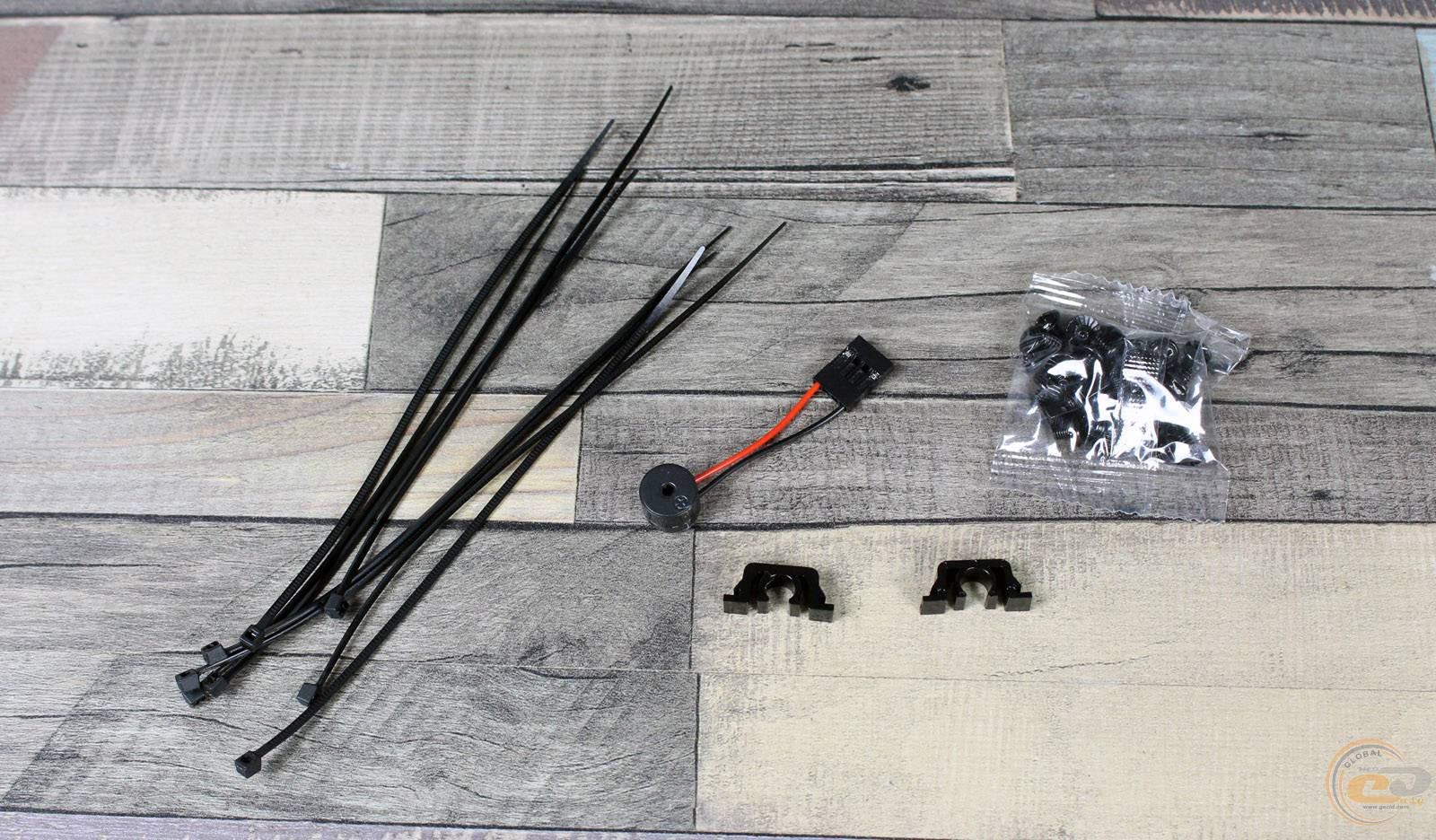
The delivery set includes: screws for component mounting, motherboard standoffs, single-use cable ties, removable panel fasteners, and a system speaker.
Appearance

The Vinga Cage case has a modern and attractive design that can be combined with many interiors. Special design solutions in the budget segment should not be expected, as this would significantly increase the product's cost. A classic rectangular chassis with a glass panel is a win-win option.
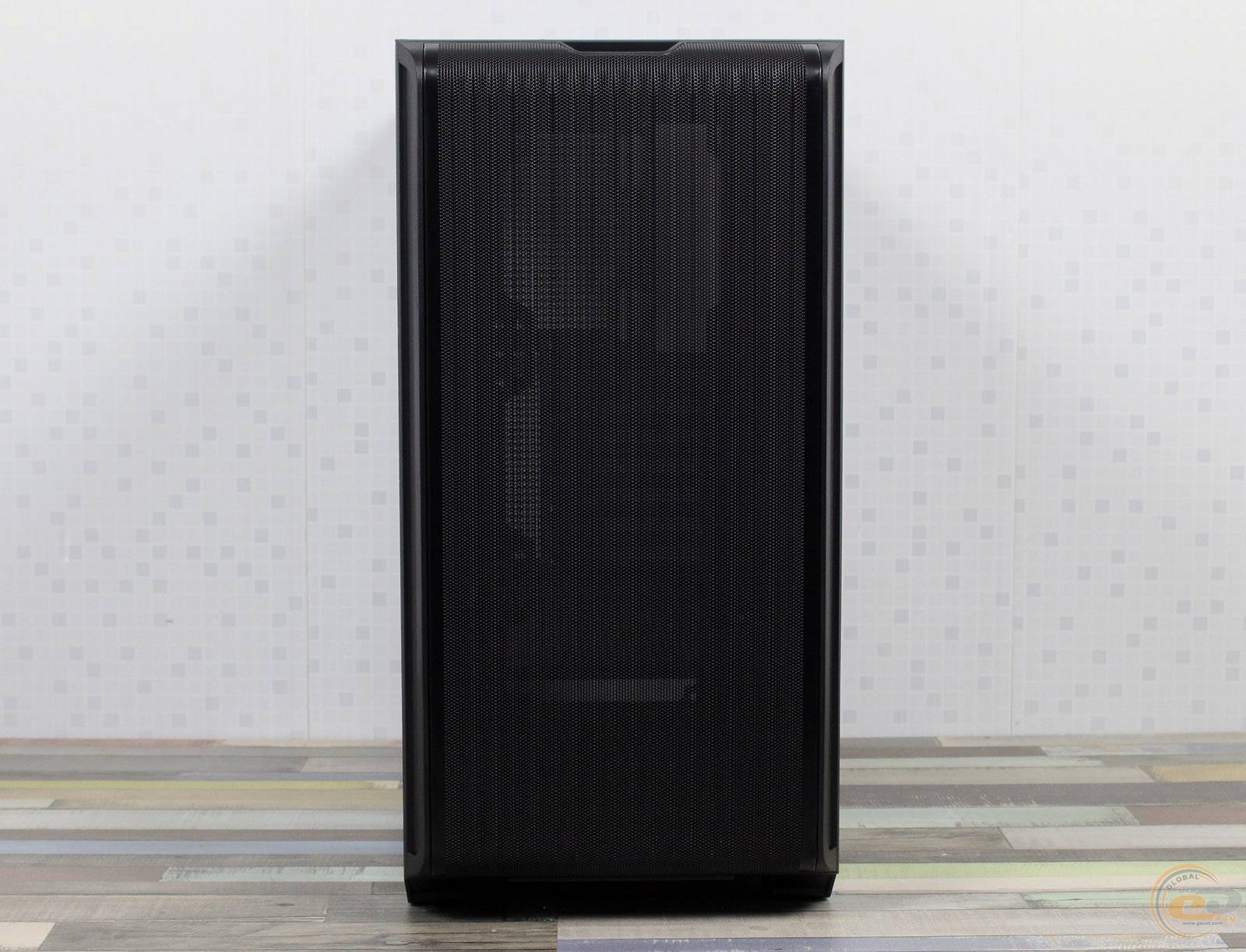
The front panel features an interesting wavy mesh design. Almost the entire surface of the panel is perforated, so good ventilation capabilities can be expected.


The front panel is divided into two parts – the frame and the mesh. The mesh is attached to the frame with magnets at the top and inserted into slots at the bottom. The frame is attached to the case with plastic fasteners and is easily removable. Behind the front panel, there are spaces for installing three 120-mm or two 140-mm fans.
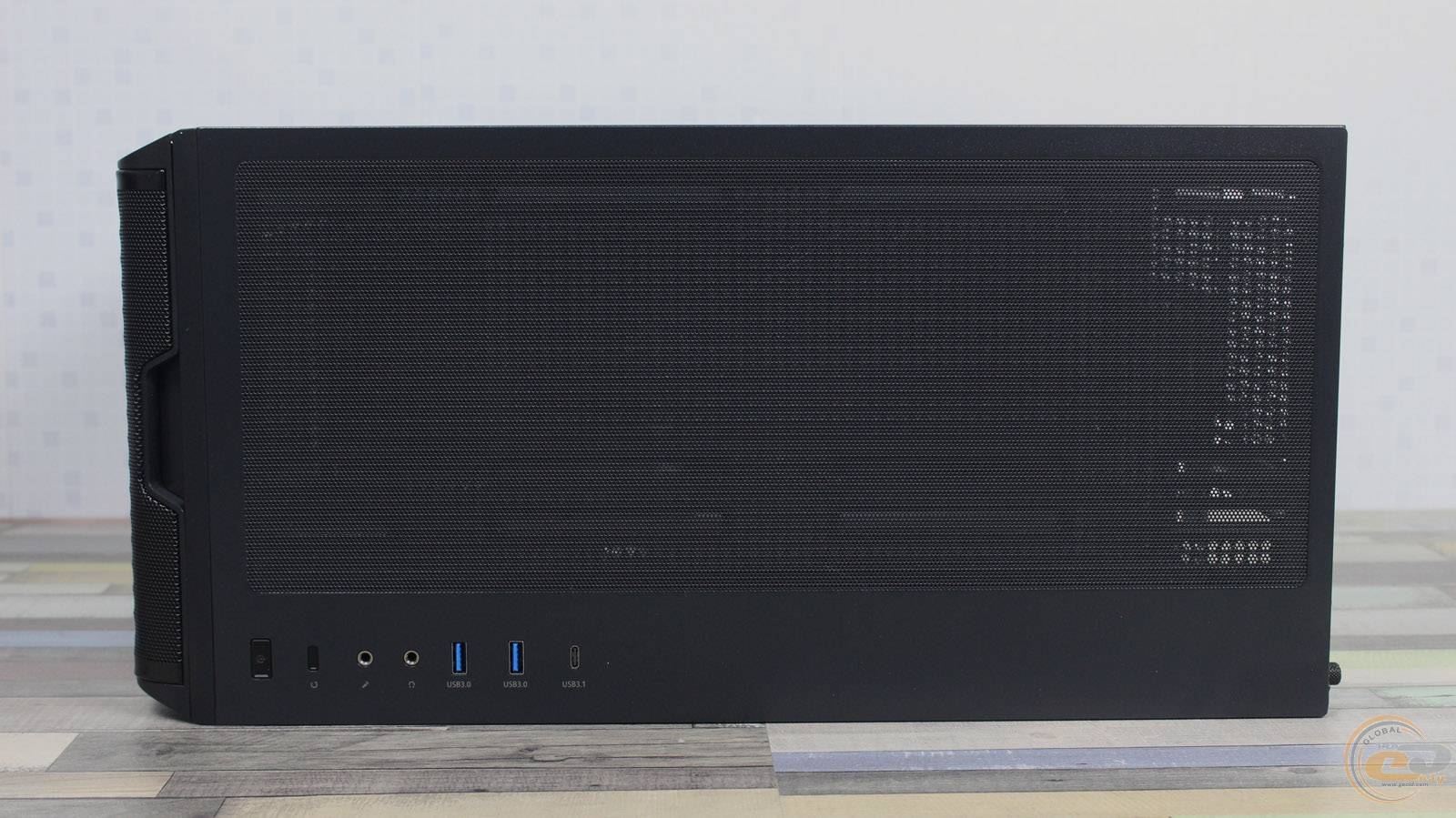

The top panel of the Vinga Cage case has a classic design and is not removable. Closer to the left side panel, there is perforation that covers almost the entire surface of the panel and has a dust filter with magnetic attachment. Under it, a liquid cooling radiator up to 360-mm, three 120-mm, or two 140-mm fans can be installed.

The interfaces are located on the top panel near the right side: a button for switching lighting modes, USB 3.0, two audio jacks for headphones and microphone, USB Type-C, and the PC start button. The buttons have a short travel and a clear actuation.
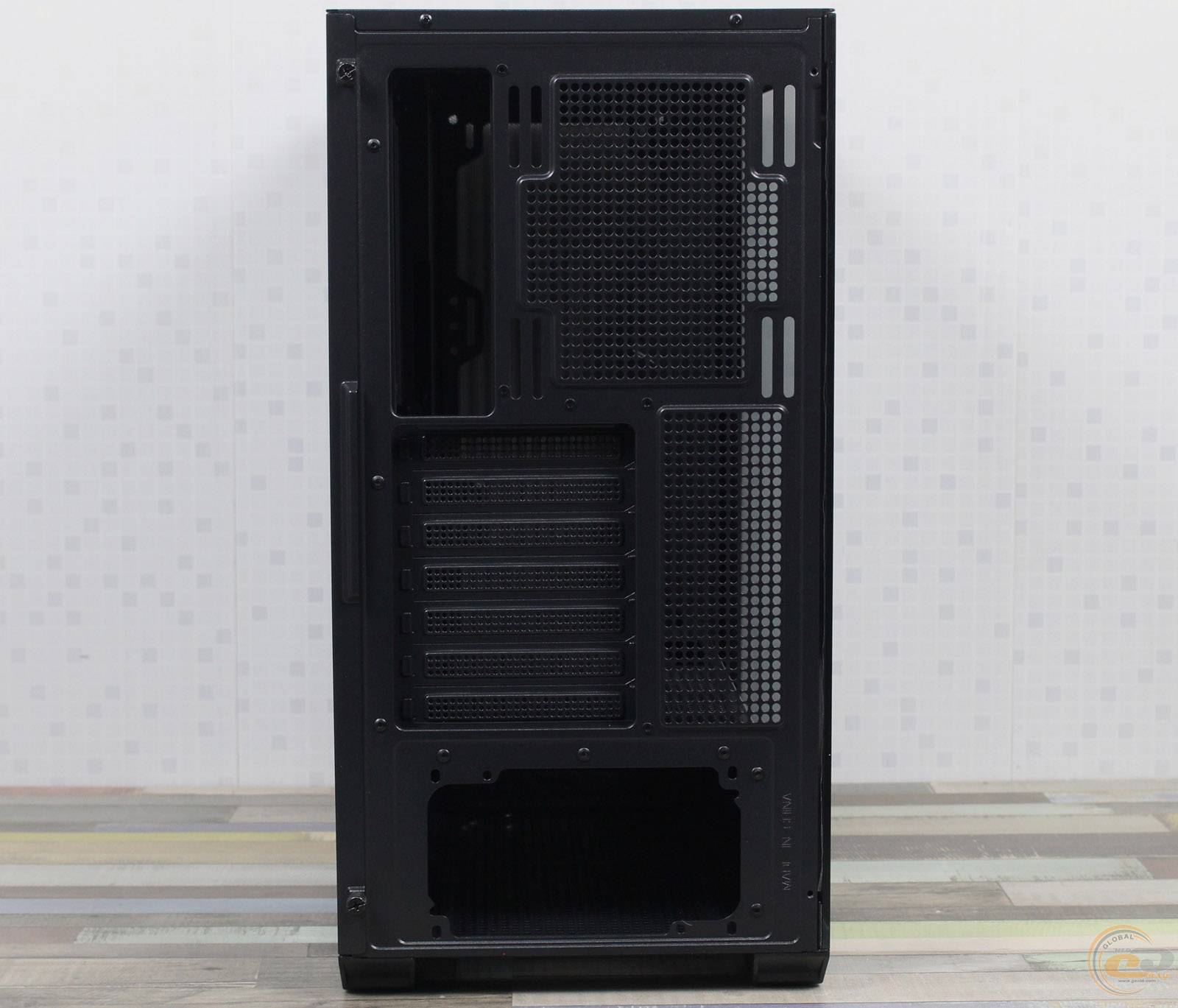
Let's move to the rear panel. At the top, there is a place for mounting one 120-mm or 140-mm fan. Both installation options have height adjustment, which is not often seen. Next to it is a cutout for the motherboard's I/O panel. To the left of the perforation are seven reusable expansion card slots, and at the bottom is the power supply mounting area with standard fastenings.
On the bottom of the case, there are four plastic feet 20 mm high, providing space for PSU cooling. These feet also have foam pads for better surface grip. The bottom panel has large perforations and is fully covered with a magnetic dust filter. Closer to the front, there are screws for mounting the drive cage. If you remove the cage, you can install one 120-mm or 140-mm fan instead.

Now let's look at the side panels. The right panel is 0.71 mm thick and is secured with two knurled screws. The left panel is made of glass and is 3.87 mm thick. The case is secured with plastic fasteners, which are additionally included for replacement.
Internal Structure

Inside, the Vinga Cage has enough space for large components and a classic layout with a bottom-mounted power supply. The manufacturer has installed two rows of standoffs for the motherboard. You can install ATX, microATX, and Mini-ITX form factor motherboards here.
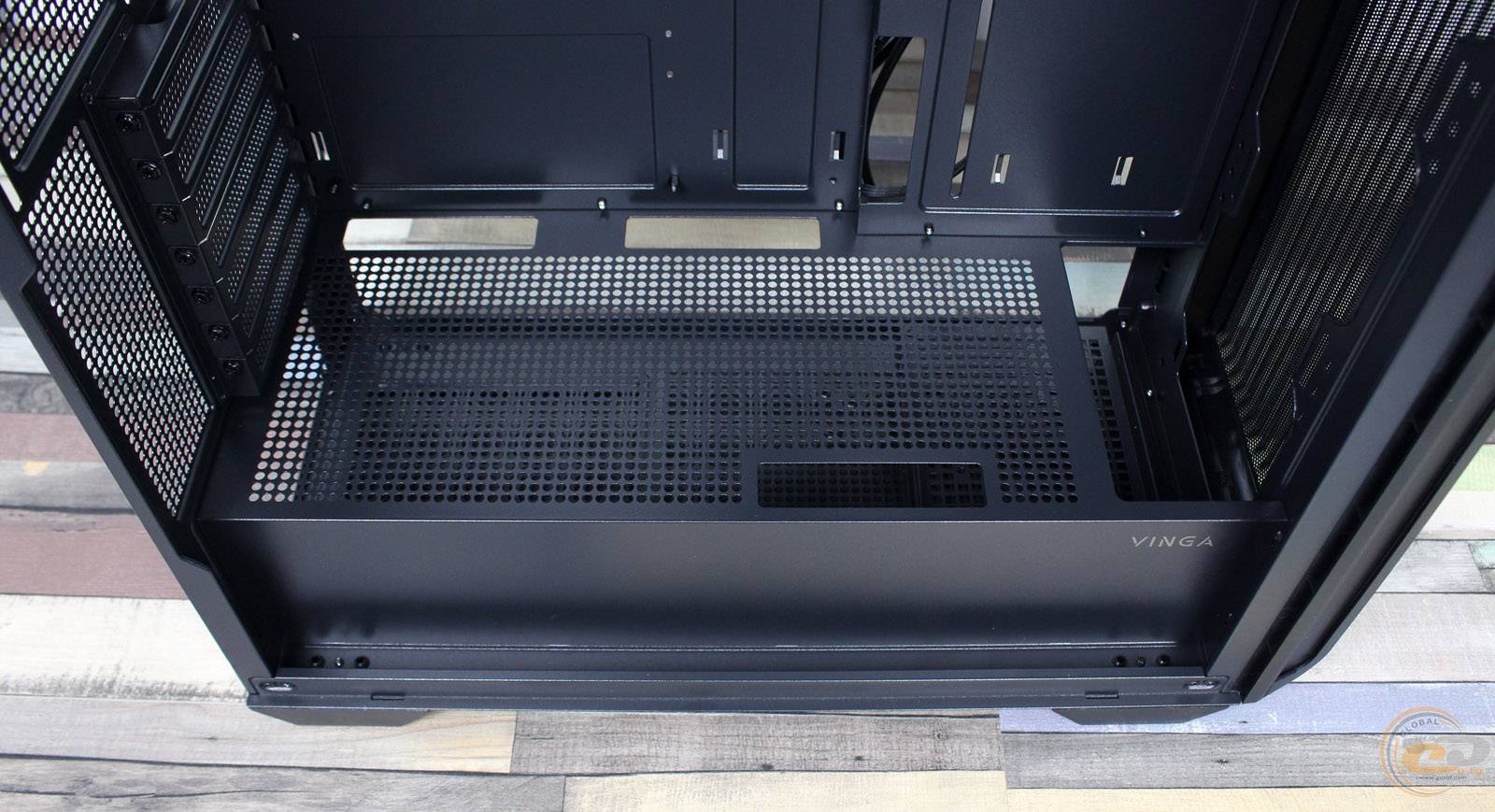
The PSU shroud has perforations across its entire surface, providing better airflow to the graphics card. In the front, there is a large cutout for installing fans or a radiator.

Behind the motherboard tray, there is enough space for convenient cable management. There are many cutouts in various places for fastening cable ties. The cutout for installing the CPU cooler and the cable holes have smooth edges for safety.
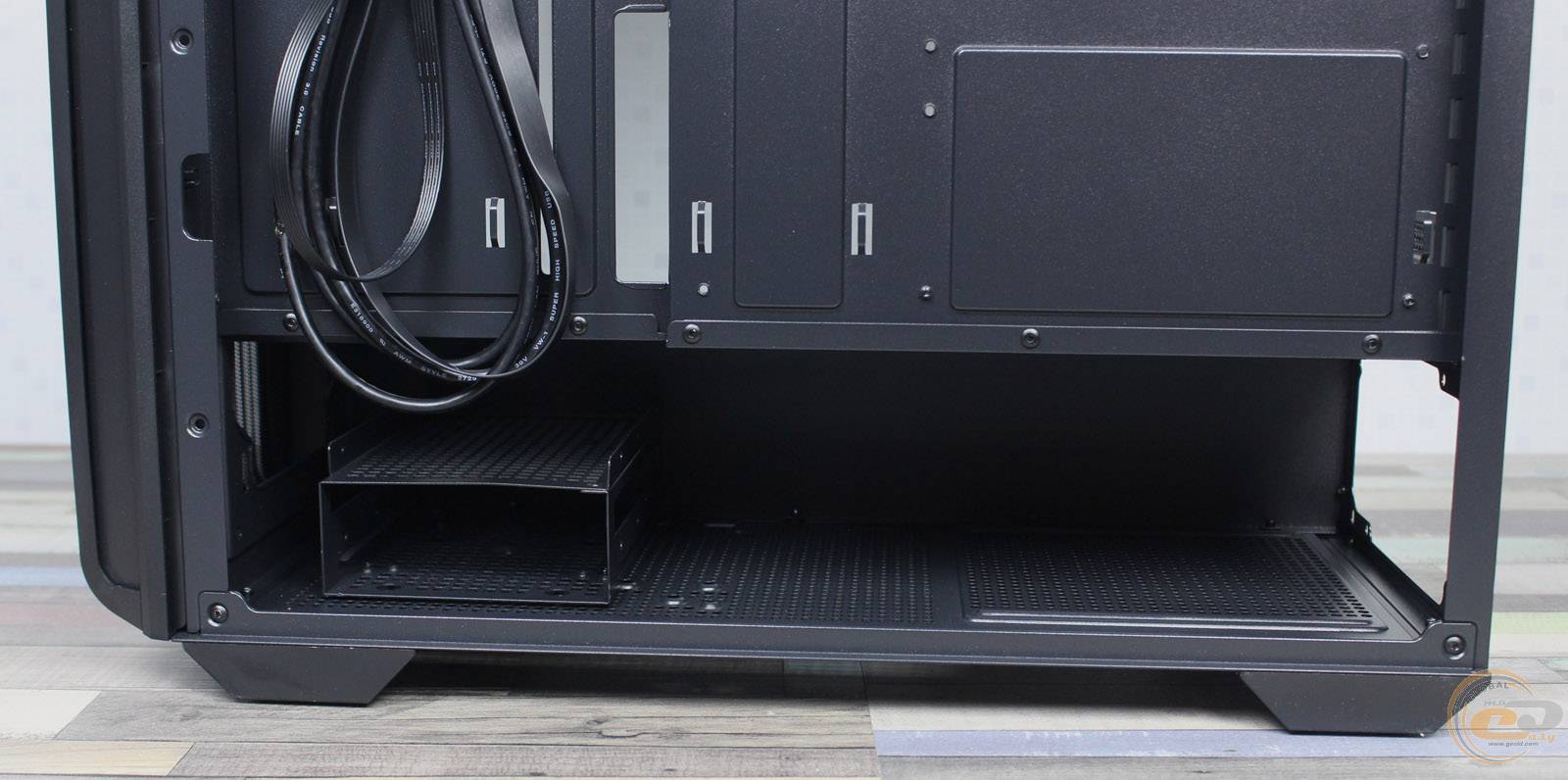
In the front, there is a removable cage for installing drives. You can install 2 hard drives on it or replace one with a 2.5" drive.
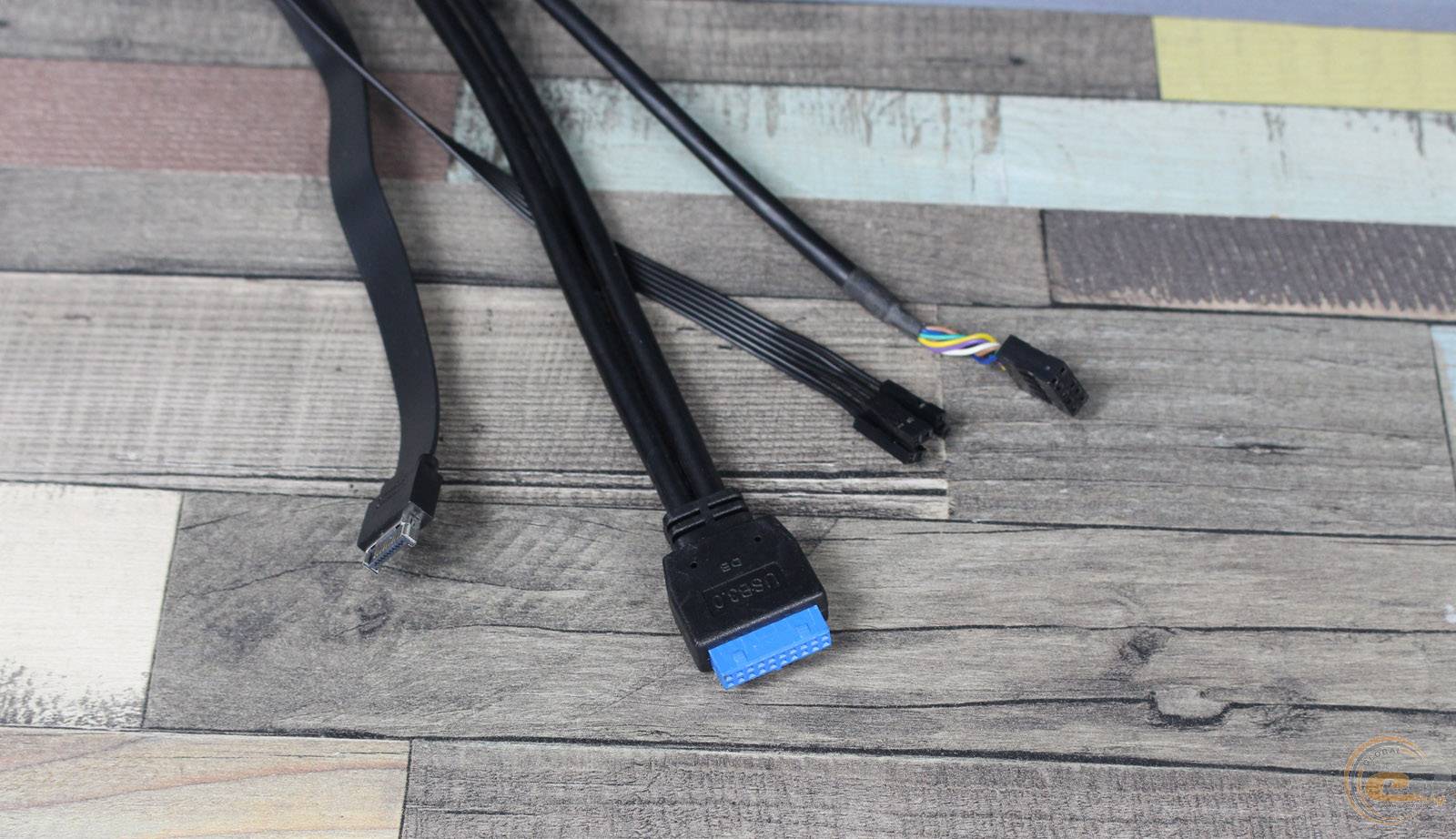
The cables coming from the front panel have a convenient length for system assembly.
|
Name |
Length, cm |
|
USB 3.0 |
72 |
|
USB 3.1 Type-C |
66 |
|
Buttons and Indicators |
71 |
|
HD Audio |
72 |
In conclusion, there were no issues with the assembly. During operation, there were no rattles or vibrations. It can accommodate a CPU cooler up to 185 mm in height and a graphics card up to 380 mm in length (according to our measurements, 415 mm), as well as a PSU up to 260 mm.
Testing
For testing, we used the following equipment:
|
Component |
Model |
|
Processor |
Intel Core i7 11700K (LGA1200, 8/16, 16 MB L3, 3.6 – 5.0 GHz, TDP 125 W) |
|
Cooler |
DeepCool LT720 |
|
Motherboard |
ASRock Z590 STEEL LEGEND (LGA1200, Intel Z590, ATX) |
|
RAM |
2 x DDR4-3600 16 GB Kingston FURY Beast RGB (KF436C18BBAK2/32) |
|
Graphics Card |
Palit GeForce RTX 3090 24GB GDDR6x GAMINGPRO OC |
|
SSD |
Kingston KC600 512 GB SSD (SKC600/512G) |
|
Power Supply |
VINGA VPS-750GV2, 750 W |
|
Thermal Paste |
GD 900 |
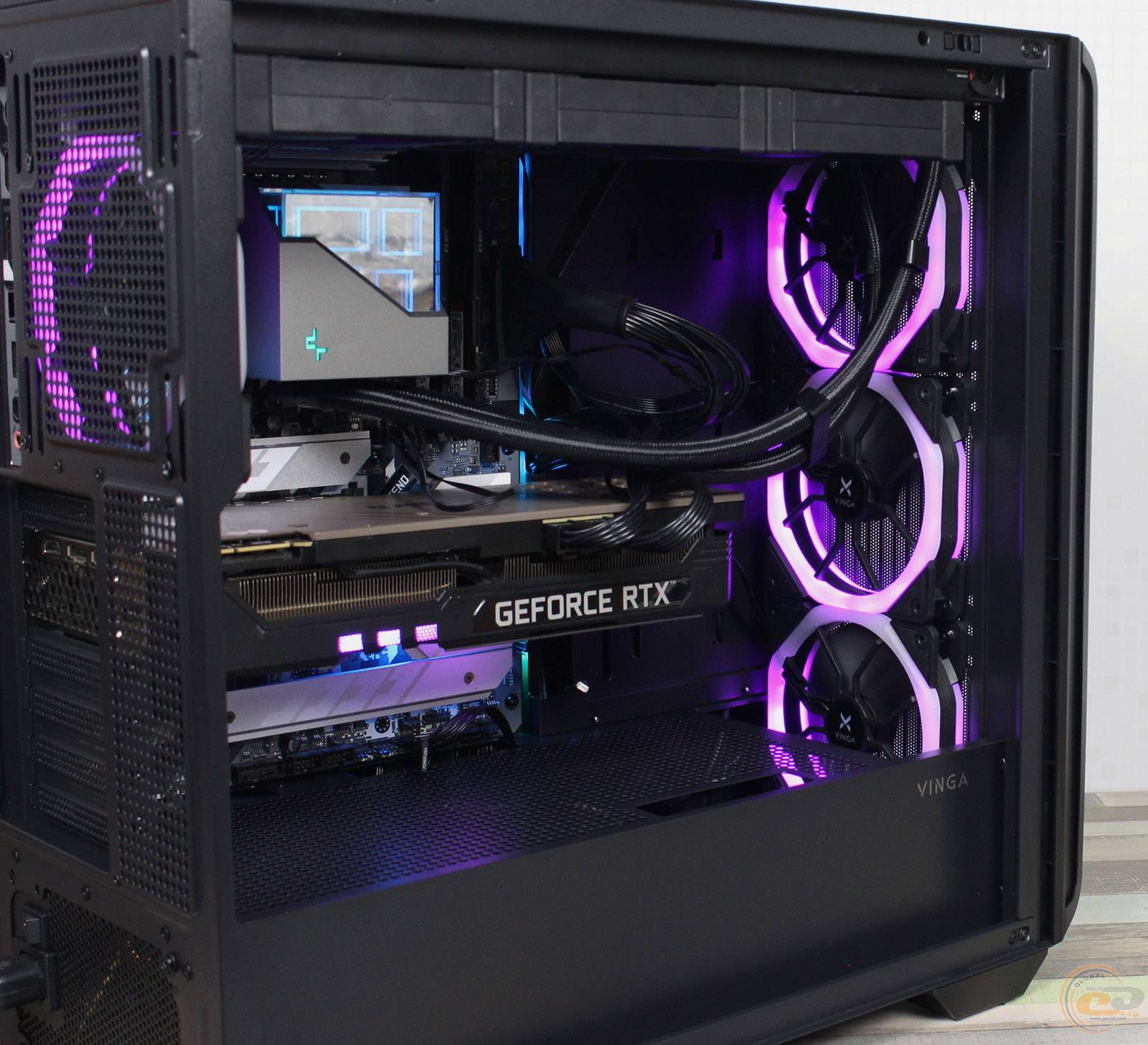
We conducted testing of the Vinga Cage case with installed Vinga RGB FAN-06 fans, which operated at a speed of 1200 RPM. The speed of the radiator fans was also at maximum — 2100 RPM, and the speed of the graphics card fans was limited to 75%. The ambient temperature during testing was 29°C, which added extra cooling load. Additionally, the Intel Adaptive Boost Technology setting was enabled in the motherboard BIOS to increase the processor's heat output.
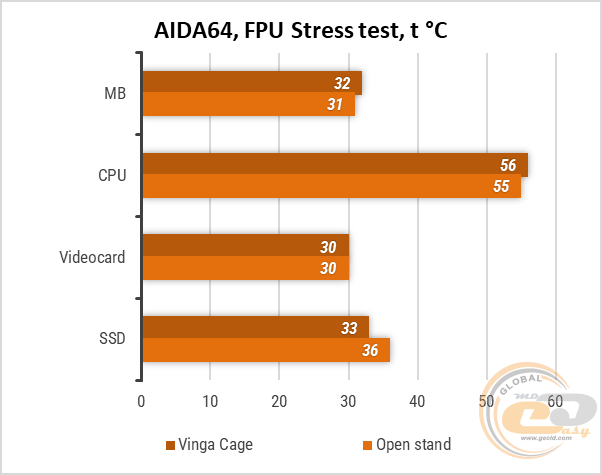
During testing in the AIDA64 utility, we found that the difference between the CPU temperatures on the open stand and inside the case was only 1°C.

In the 3DMark Time Spy Extreme benchmark, both the CPU and graphics card were loaded simultaneously. The CPU temperature in the case was 4°C higher, and the graphics card almost didn't feel the difference, being 1°C warmer.

In the FurMark test in MSI Kombustor v4, the temperature differences didn't change much. The CPU temperature on the open stand and in the case differed by only 2°C, and the graphics card temperature by 3°C.
Based on the test results, it can be said that the Vinga Cage case offers good potential for effective cooling of modern systems. Components under load did not approach critical temperature levels, which is the result of good ventilation thanks to perforation.
Conclusions
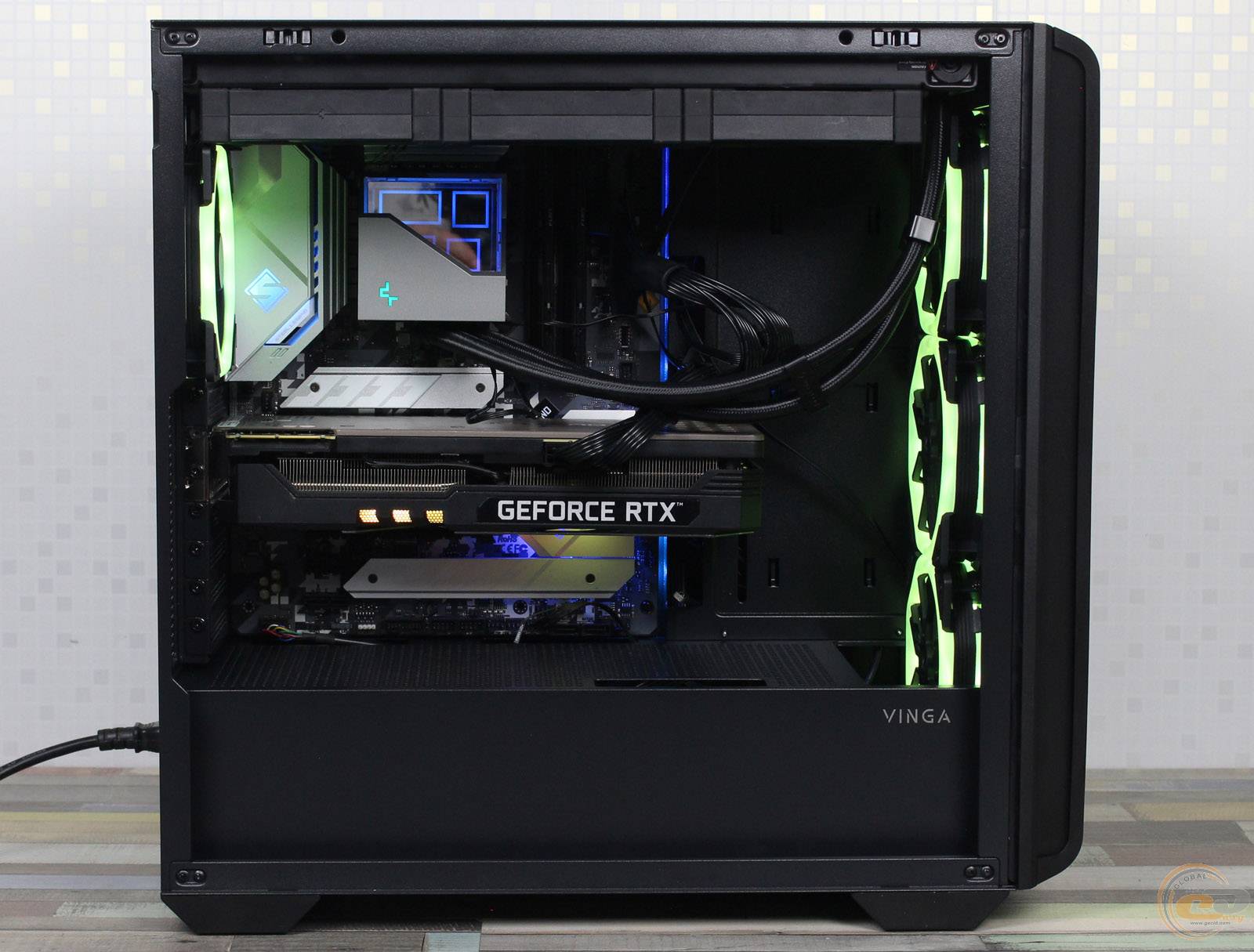
The Vinga Cage case is a successful combination of quality execution and low cost. To reduce the price, it does not come with included fans. When four fans are installed, the case handles cooling powerful systems well.
Despite the relatively low cost, the build quality has no drawbacks, and the panel processing is well implemented. Vinga Cage has a modern and classic design that can fit into many interiors. Convenience has not been forgotten here either. The panels can be quickly removed, and there is enough space for convenient component installation.
In conclusion, for its price of about $45, or 1800 UAH, Vinga Cage is an excellent choice for those looking for a simple, quality, and affordable case for system assembly.
Advantages:
- modern design;
- convenient construction;
- transparent tempered glass side panel;
- quick-release panels;
- good case build quality;
- magnetic dust filter mounts;
- ability to install a power supply up to 260 mm in length;
- USB 3.1 Type-C on the top panel;
- ability to install up to 8 fans simultaneously;
- support for graphics cards up to 415 mm in length and coolers up to 185 mm in height;
- compatibility with liquid cooling systems up to 360 mm.
Features:
- absence of case fans.

Author: Артур Висоцький
Review on the website gecid.com