We continue to introduce you to the Vinga case lineup, and today we decided to focus on the mass market price segment of $50. It features a huge number of models mainly in the Middle Tower format with standard layout and a transparent side panel.
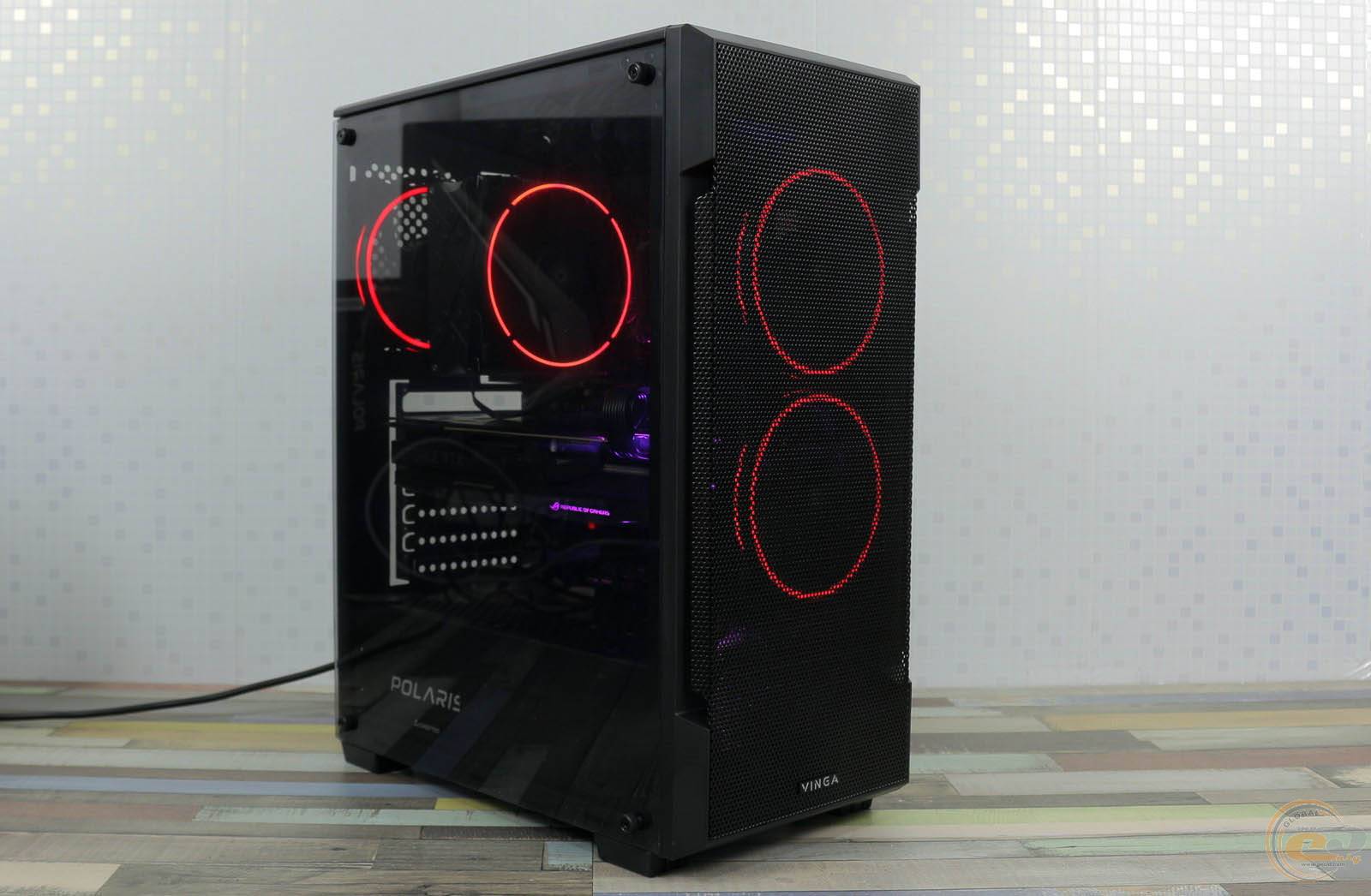
We will talk about the Vinga Wind case. Priced at 1336 UAH (~$50), it offers an attractive design, the ability to install large components, and a mesh front panel for better ventilation of the internal space. There are no pre-installed fans, but models with LED lighting look very impressive. Let's see what else it can please or disappoint us with.
Specification
|
Model |
Vinga Wind |
|
Case Size |
Middle Tower |
|
Supported Motherboard Form Factors |
ATX/microATX/Mini-ITX |
|
Color |
Black |
|
Internal Bays |
2 x 2.5”/3.5” |
|
Expansion Slots |
7 |
|
Maximum GPU Length (in brackets - own measurements) |
300 mm (315 mm) |
|
Maximum CPU Cooler Height (in brackets - own measurements) |
160 mm (160 mm) |
|
Maximum PSU Length (in brackets - own measurements) |
150 mm (160 mm) |
|
Pre-installed PSU |
None |
|
Ports |
2xUSB 2.0 |
|
Pre-installed Fans |
None |
|
Fan Installation Options |
3x120-mm (front panel) |
|
Water Cooling Installation Options |
1x120/240/360 mm (front panel) |
|
Materials |
|
|
Front Panel |
Plastic with metal mesh |
|
Chassis |
Steel thickness 0.60 – 0.75 mm (with paint) |
|
Right Side Panel |
Steel thickness 0.65 mm (with paint) |
|
Left Side Panel |
Glass thickness 3.86 mm |
|
Case Dimensions (in brackets - own measurements) |
460х200х368 mm |
|
Weight (own measurements) |
4.265 kg |
|
Manufacturer's Website |
|
Packaging and Contents
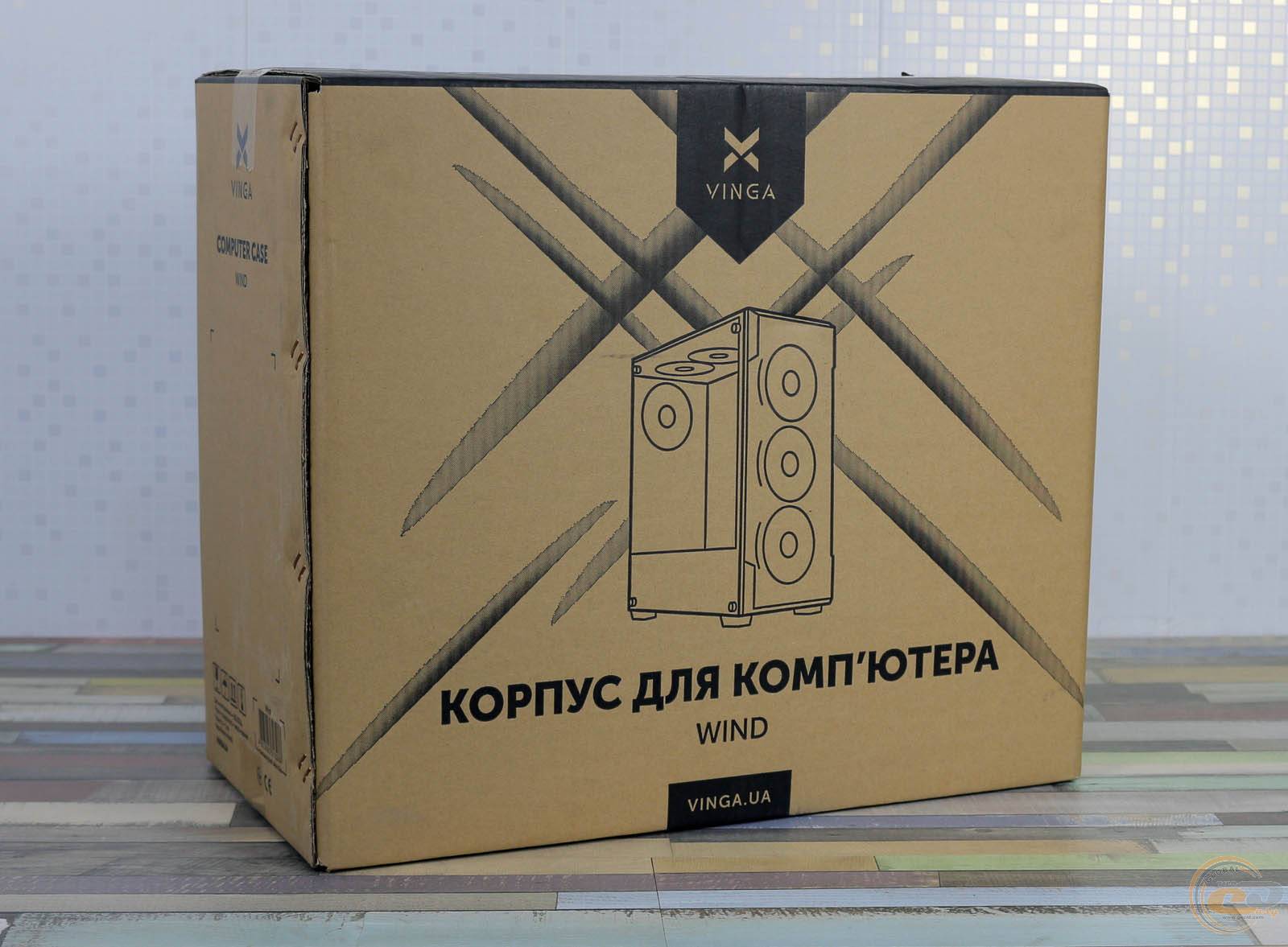
The Vinga Wind is sealed in a standard cardboard box with simple design. On its sides, you can find a schematic image of the case, its name, and specifications in English and Ukrainian. There are cutouts on the sides for easy transportation.
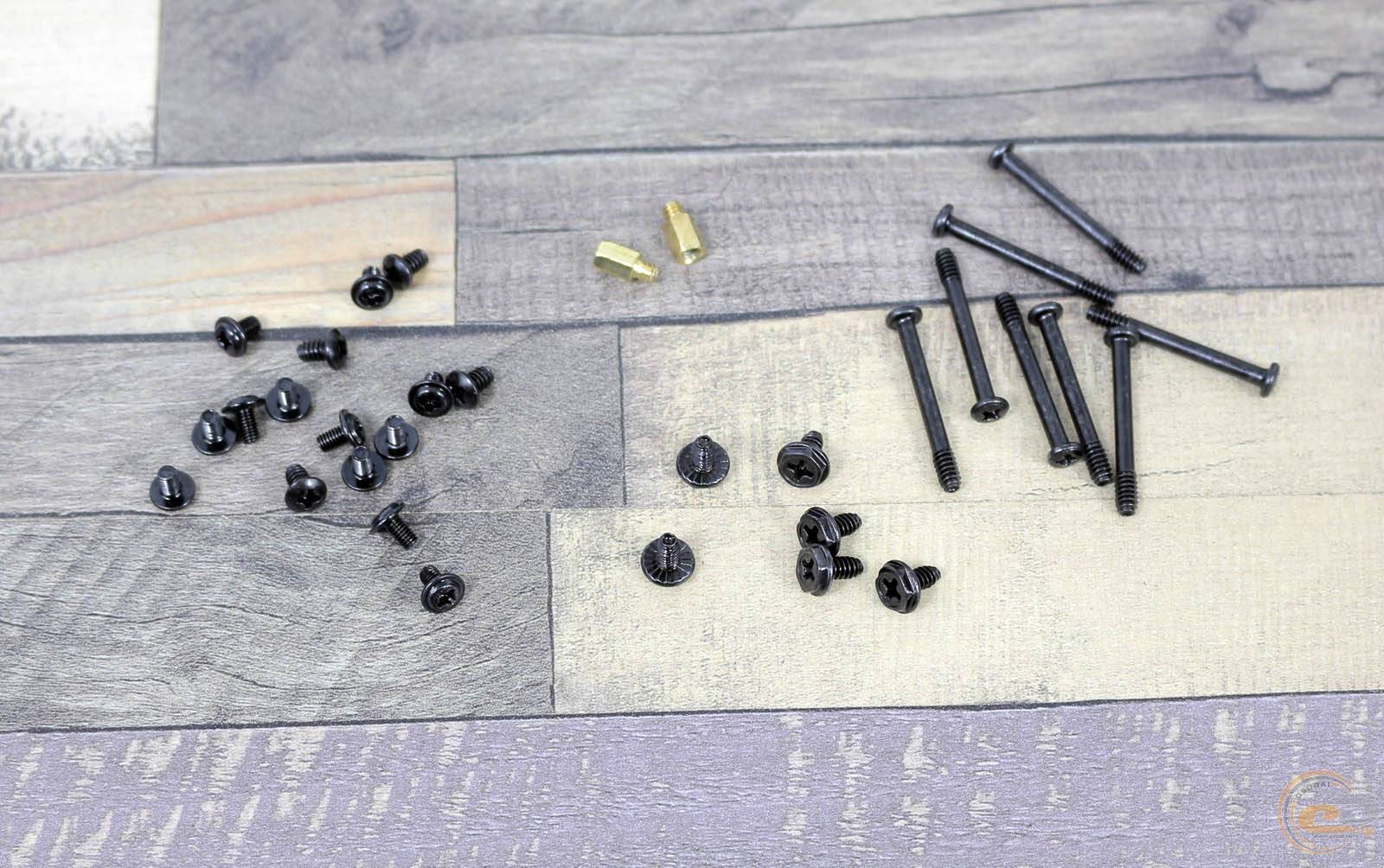
The package includes a set of screws for mounting the motherboard, power supply, and drives.
Appearance
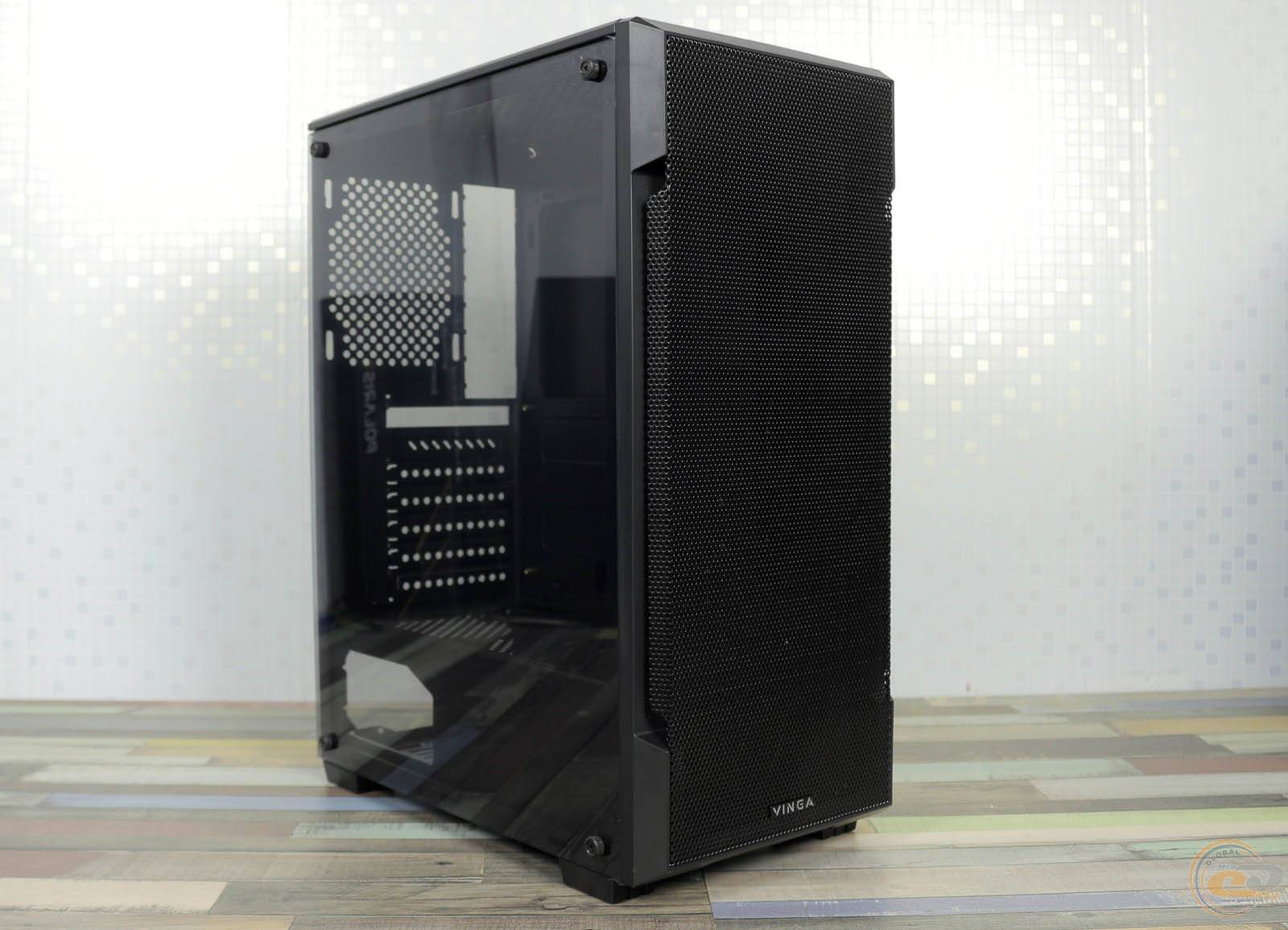
The Vinga Wind case belongs to the mainstream device category, where the combination of quality and cost is important. Do not look for anything unusual in its design, as this would negatively affect its final price. The model features a simple rectangular chassis shape, a glass side panel, and plastic with a metal mesh front. It looks very presentable and solid.
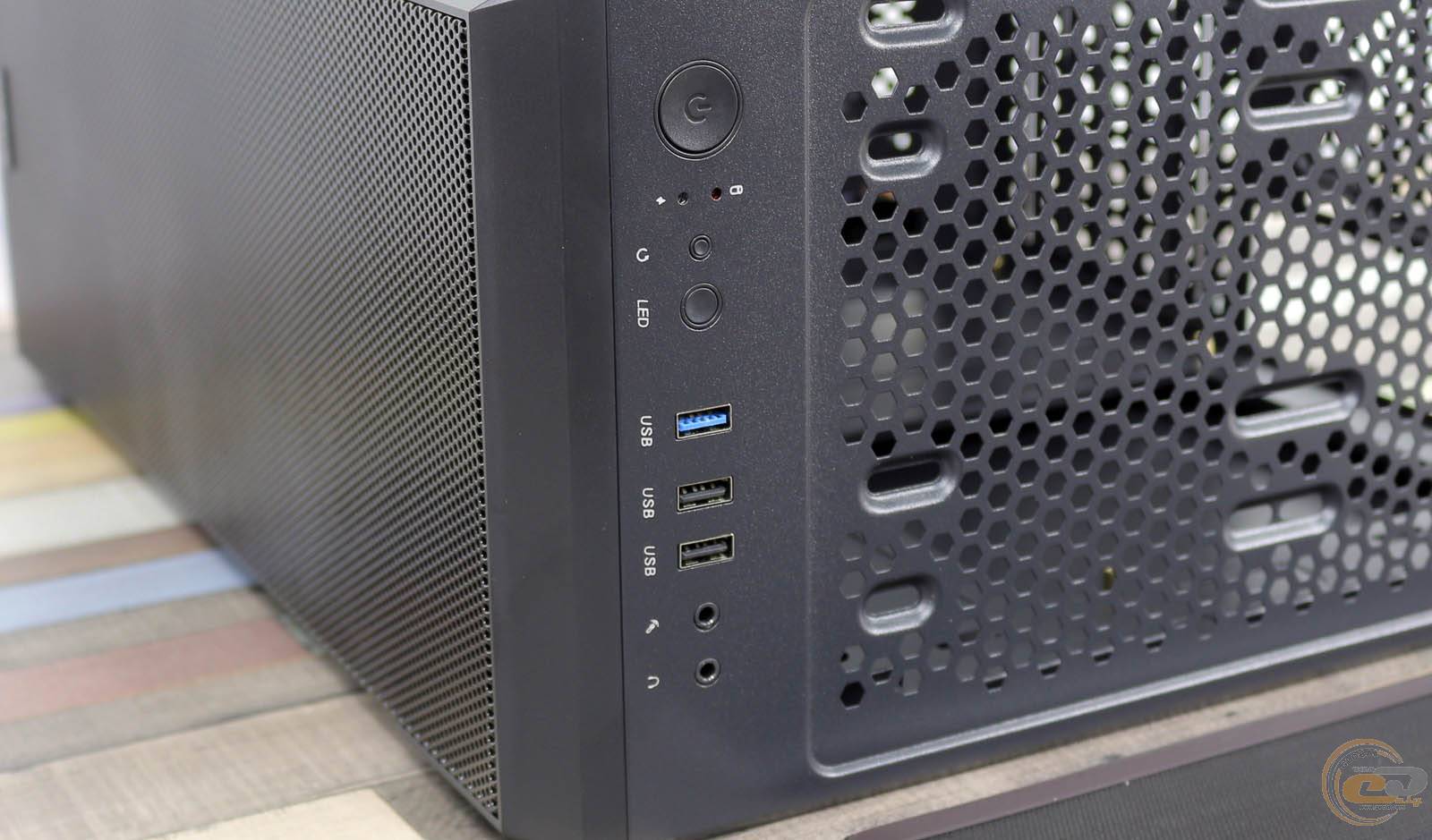
External ports are located on the top panel. Here you will find two USB 2.0, one USB 3.0, and a pair of 3.5-mm audio jacks for a microphone and headphones. Next to them are the power and reset buttons. Nearby is the LED button. It will only be useful if you purchase a controller and fans with lighting yourself.
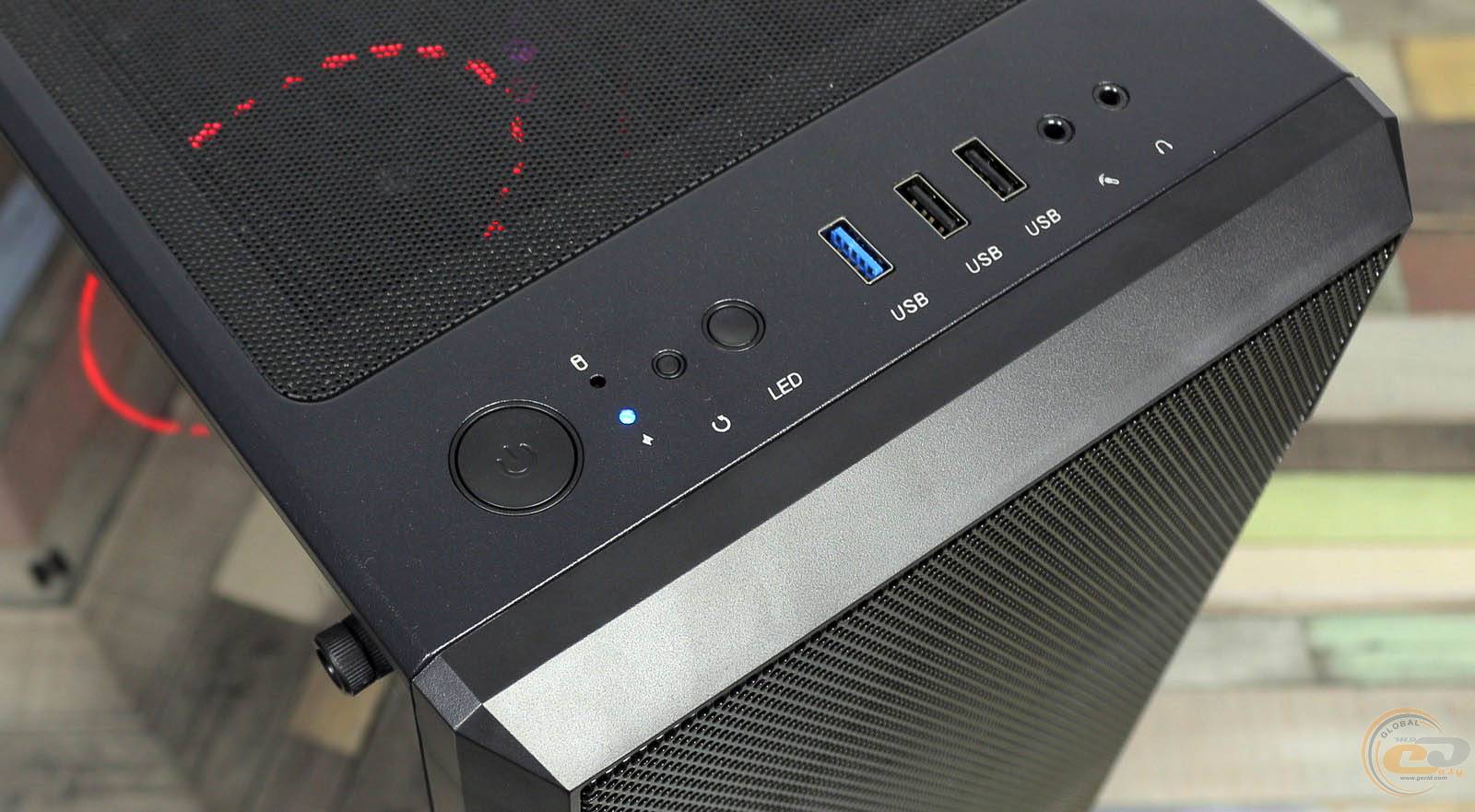
The power and reset buttons are flanked by two light indicators with comfortable brightness. These are the only illuminated elements of the case.
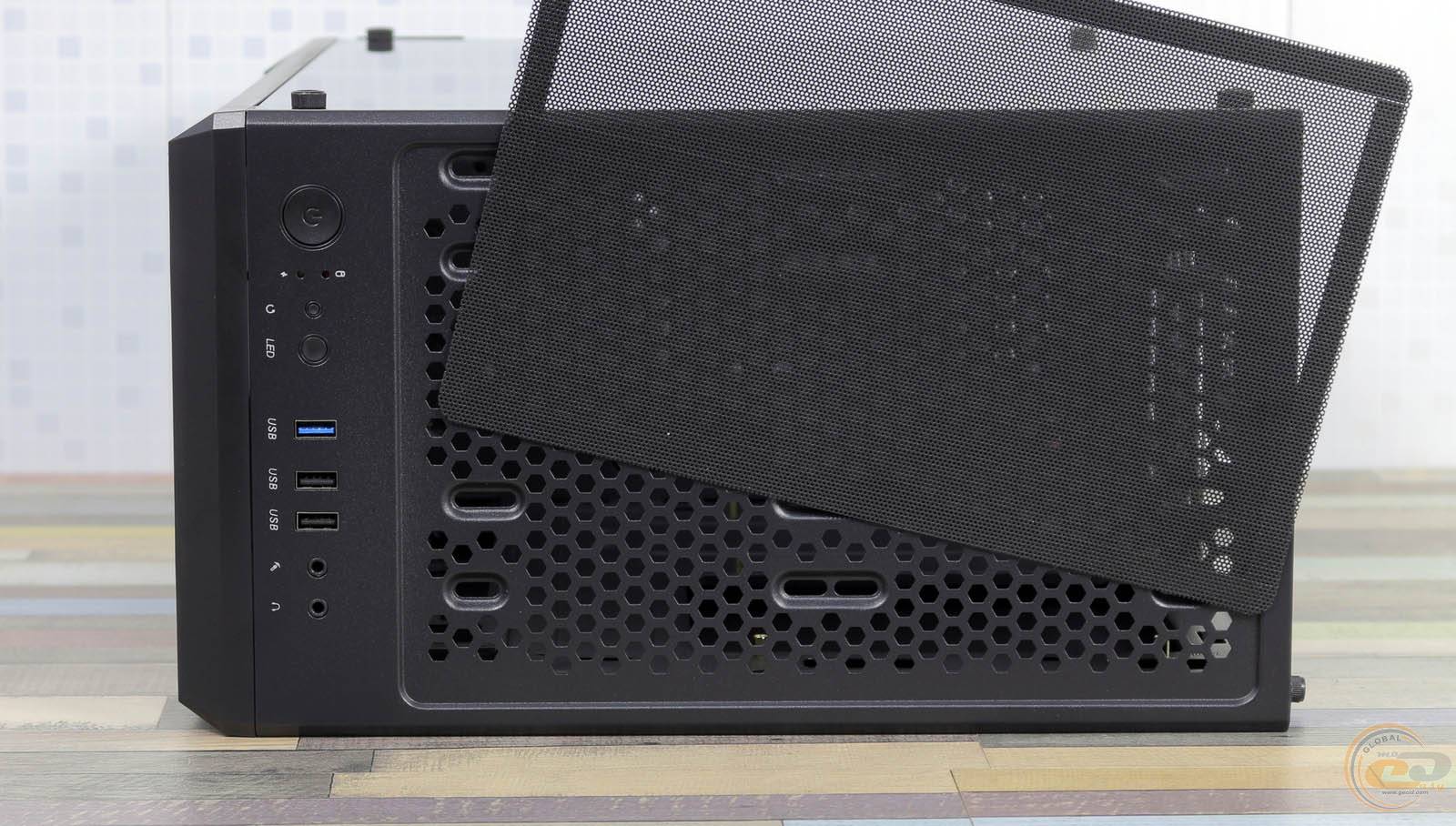
The perforated top panel is covered with a magnetic dust filter. Underneath, you can mount a pair of 120-mm fans or a 240-mm radiator.
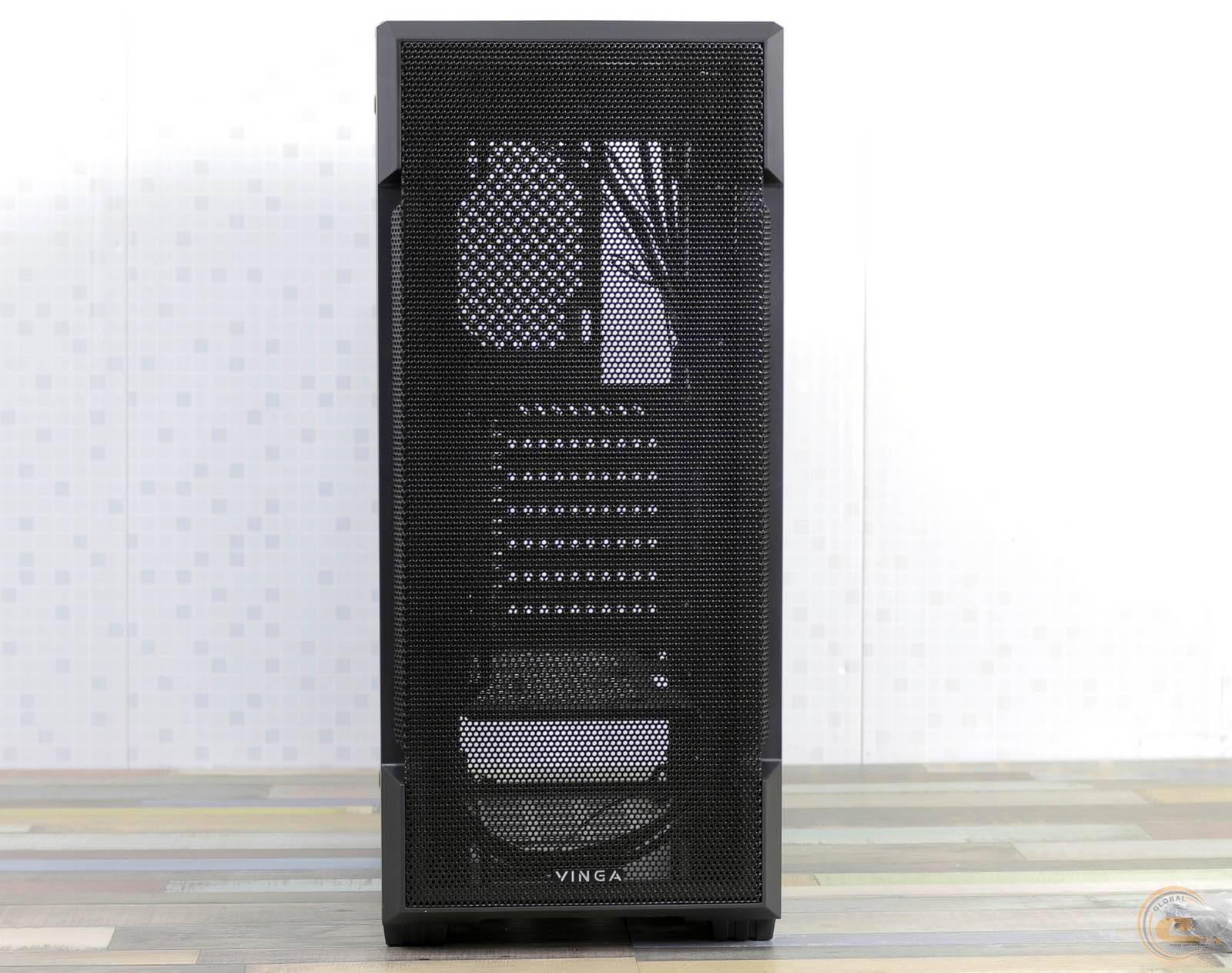
The front panel is made of plastic with a mesh insert for better air circulation. Behind it are mounting locations for three 120-mm fans. Instead, you can mount a radiator for water cooling up to 360 mm in size.
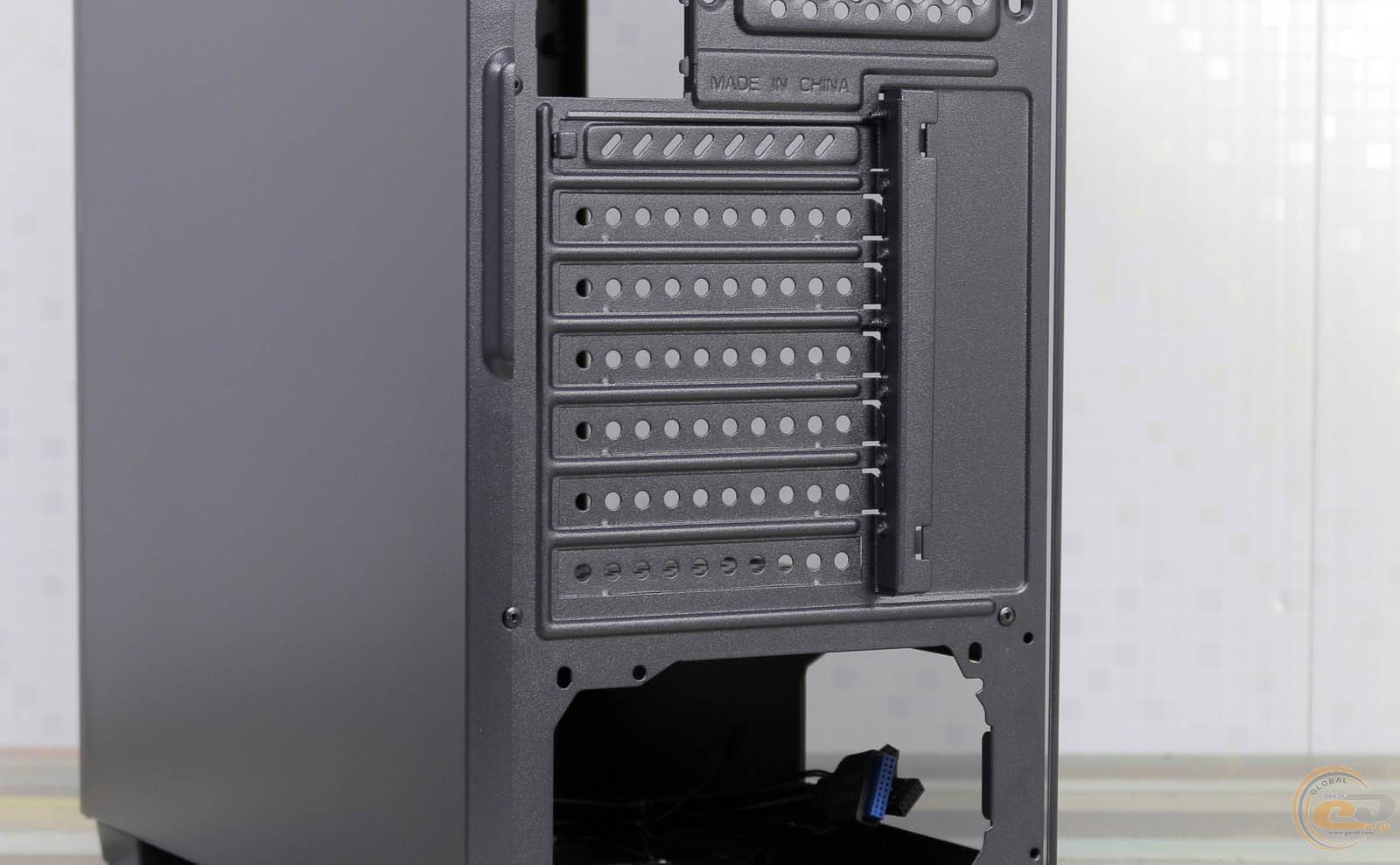
The rear part of the case has seven horizontal expansion slots (one with a reusable cover). There is a common pressure plate fixed with one screw. Next to it is a cutout for the motherboard's interface panel and a mounting location for a 120-mm fan.
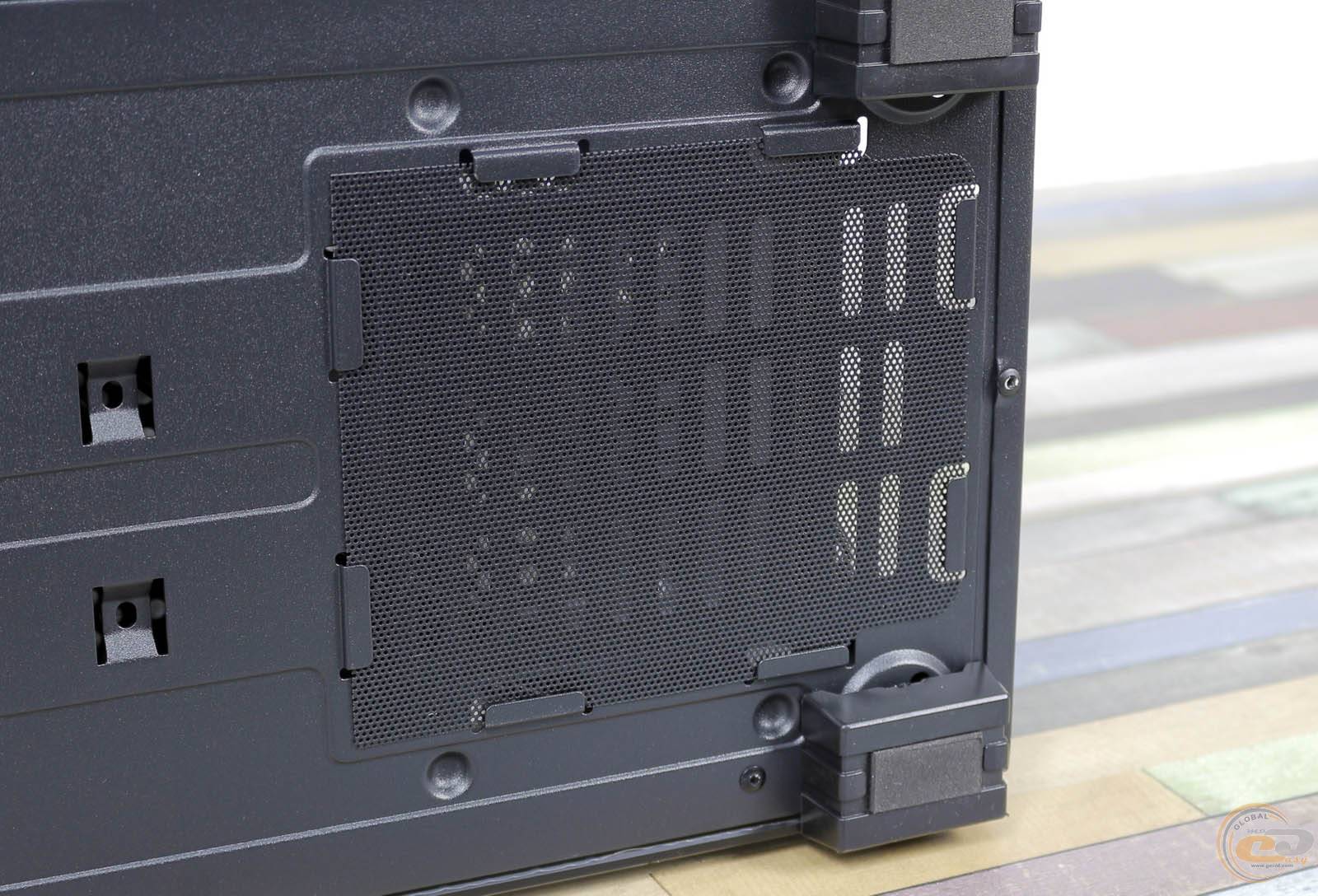
At the bottom of the case is a ventilation opening for cold air access to the PSU, covered with a dust filter. It is easily removable, blowable, and washable.
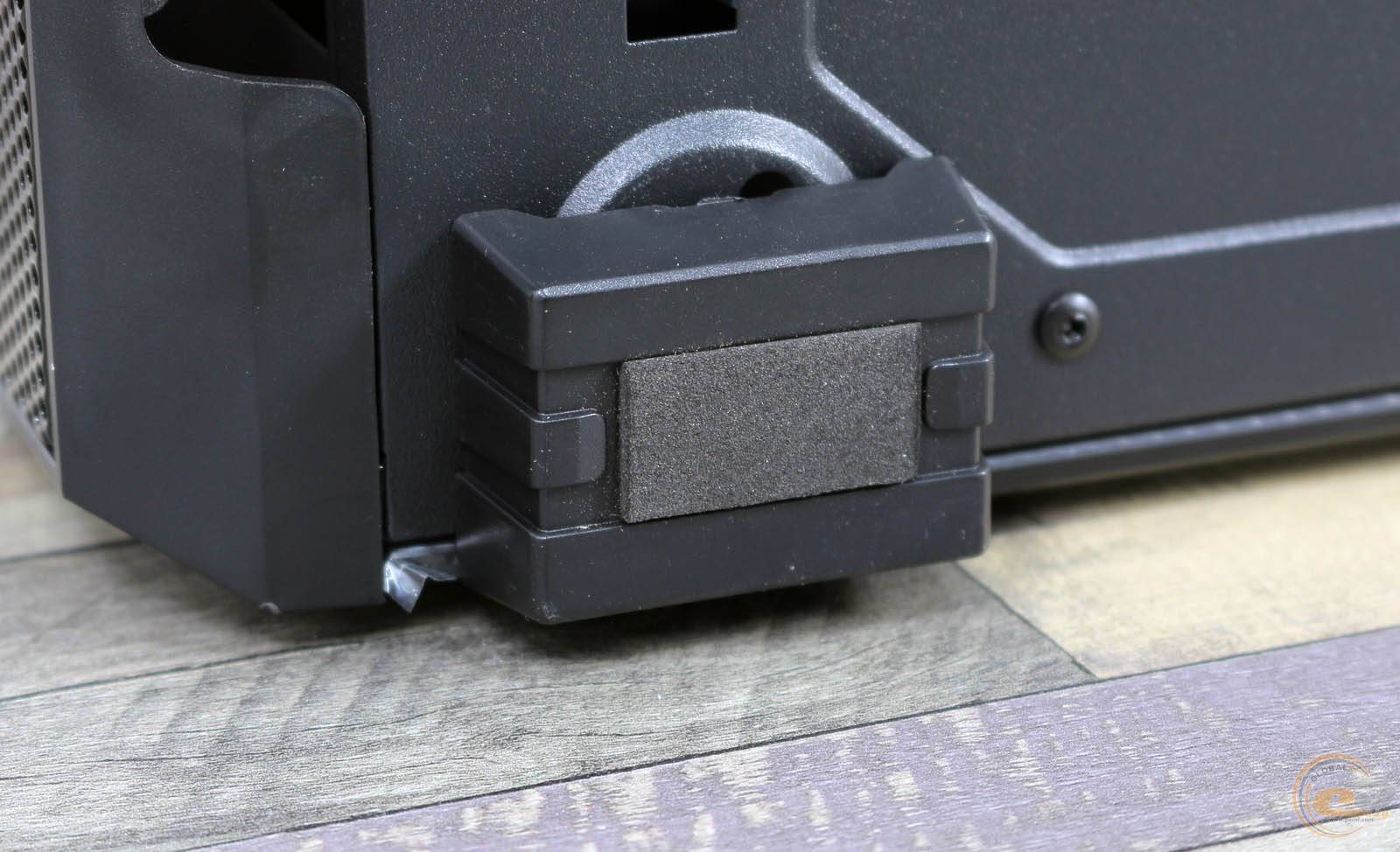
There are also two pairs of plastic feet with a height of 16 mm and rubber pads. They provide good stability on different types of surfaces and sufficient airflow for the power supply.
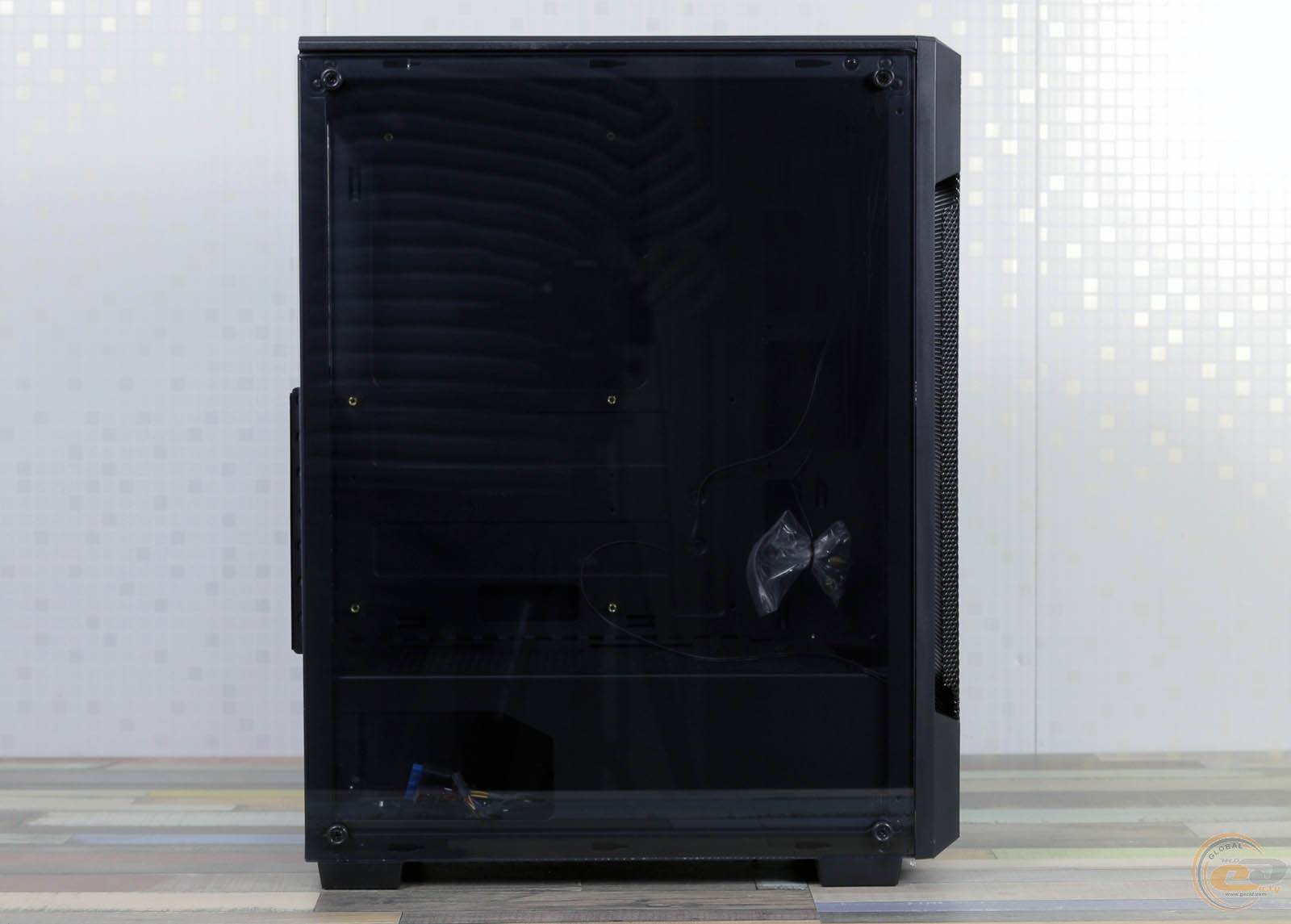
The left side is a slightly tinted glass panel measuring 370x435x3.86 mm. It allows you to admire the internal components. It is held in place by four knurled head screws.
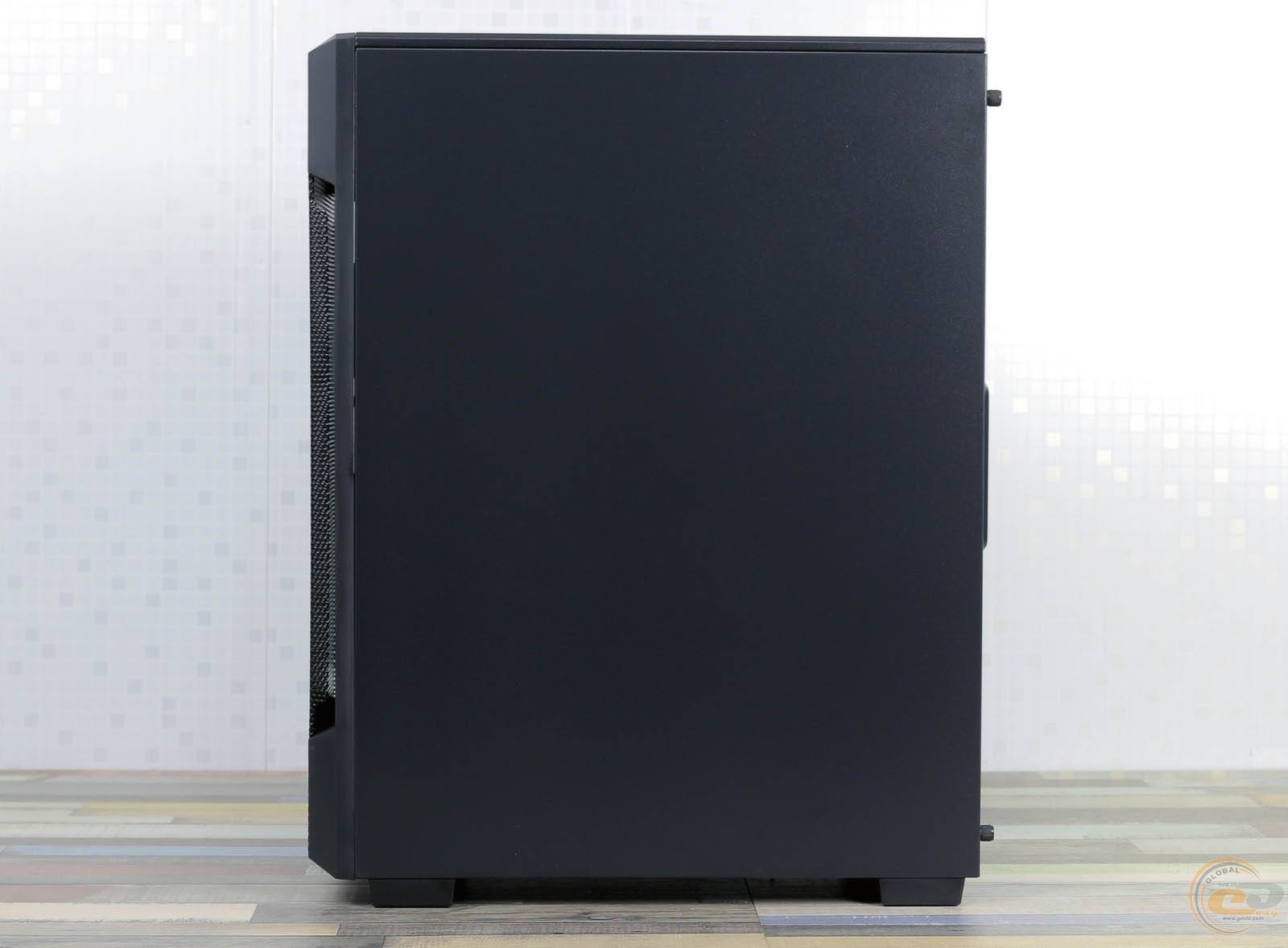
On the opposite side, there is a metal panel with a thickness of 0.65 mm. It is secured in a standard way using two knurled screws and features a small protrusion for easy removal.
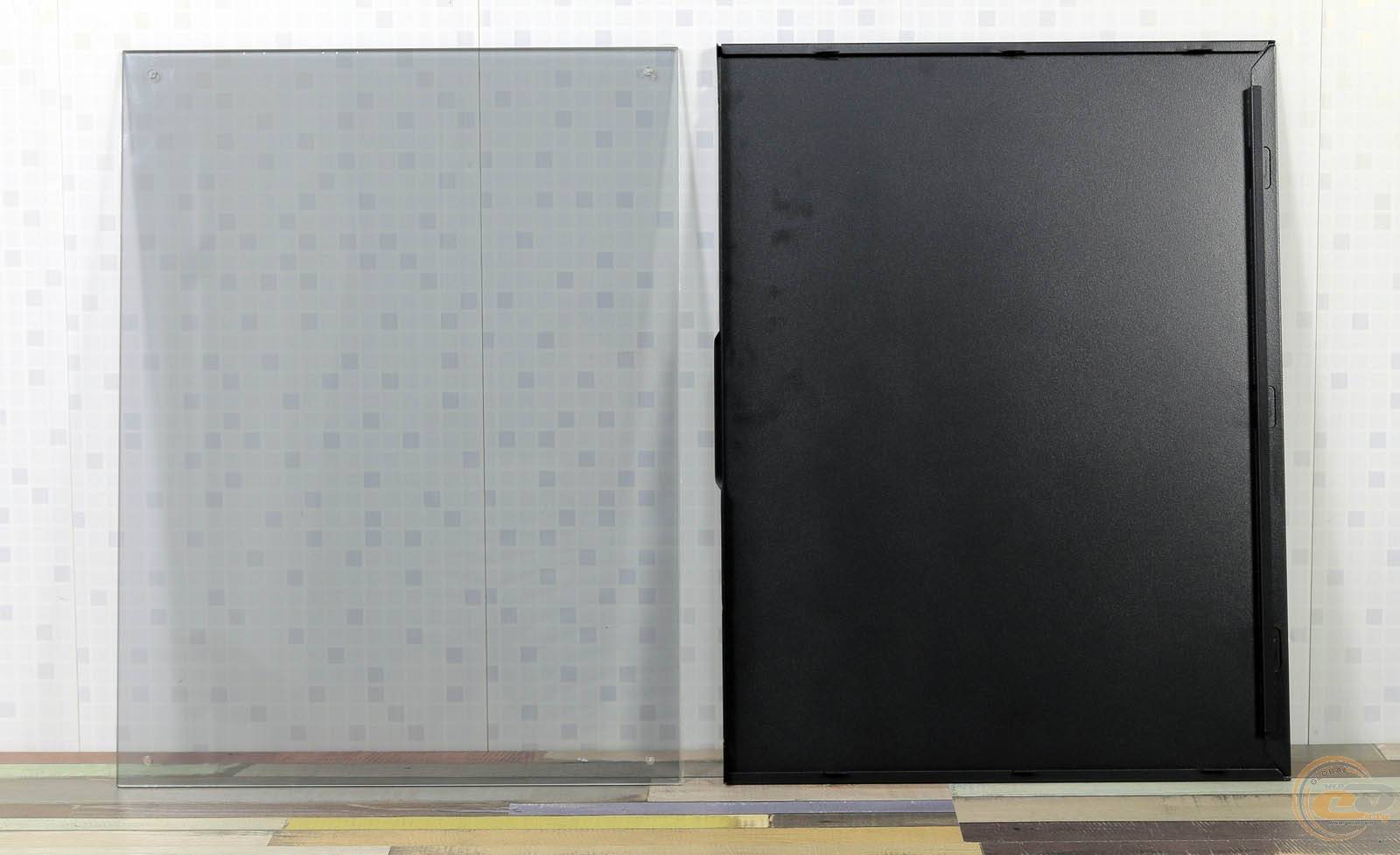
Regarding the practicality of the materials used, fingerprints are almost invisible on the matte paint, while the glass is more prone to smudging and requires appropriate care.
Internal Structure
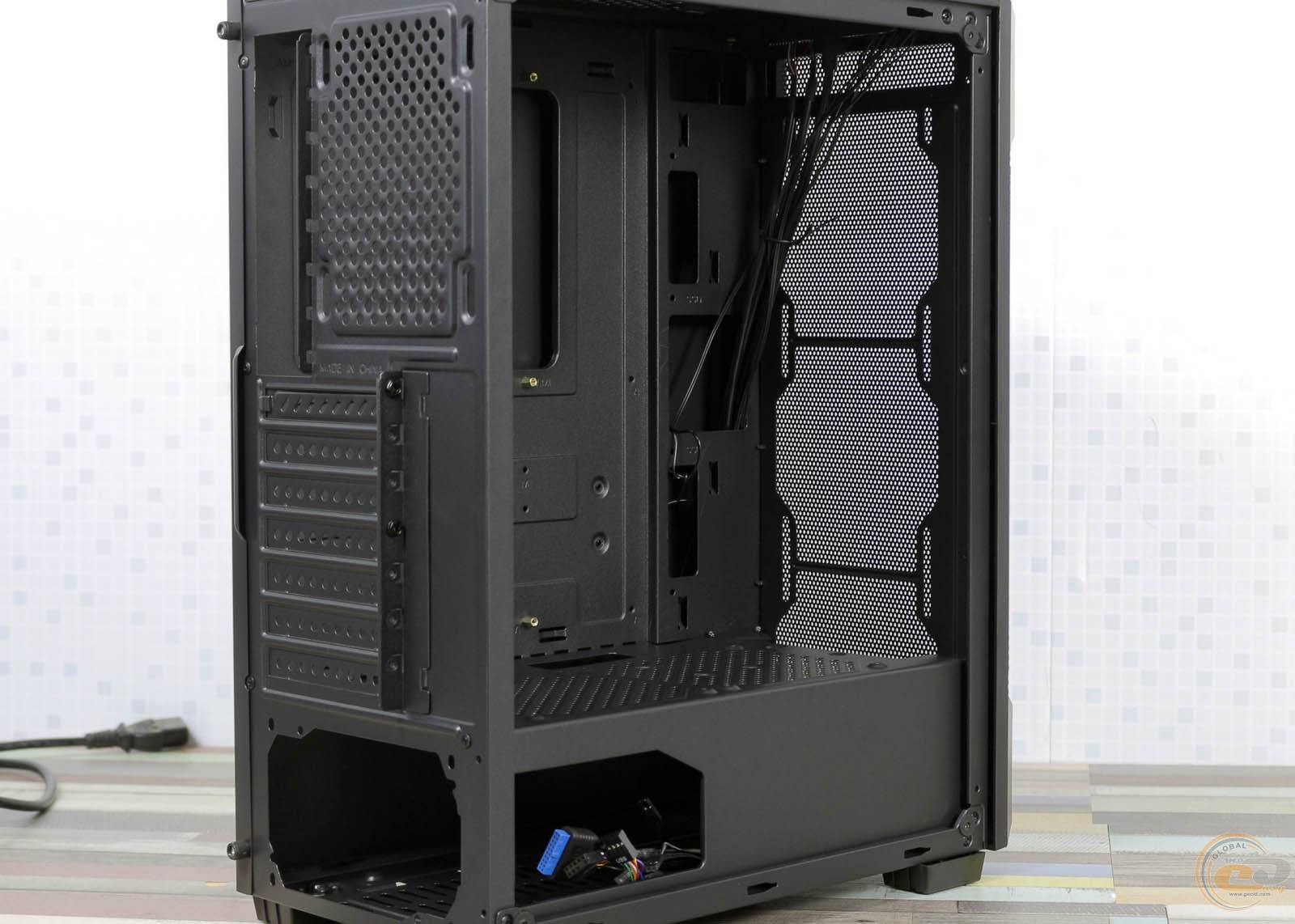
The Vinga Wind case uses a layout with a bottom-mounted power supply. It is separated from the main space by a metal shroud. The motherboard compartment is located at the top. The front part lacks any stands, allowing for the installation of large components and improving system airflow thanks to the free circulation of air streams.
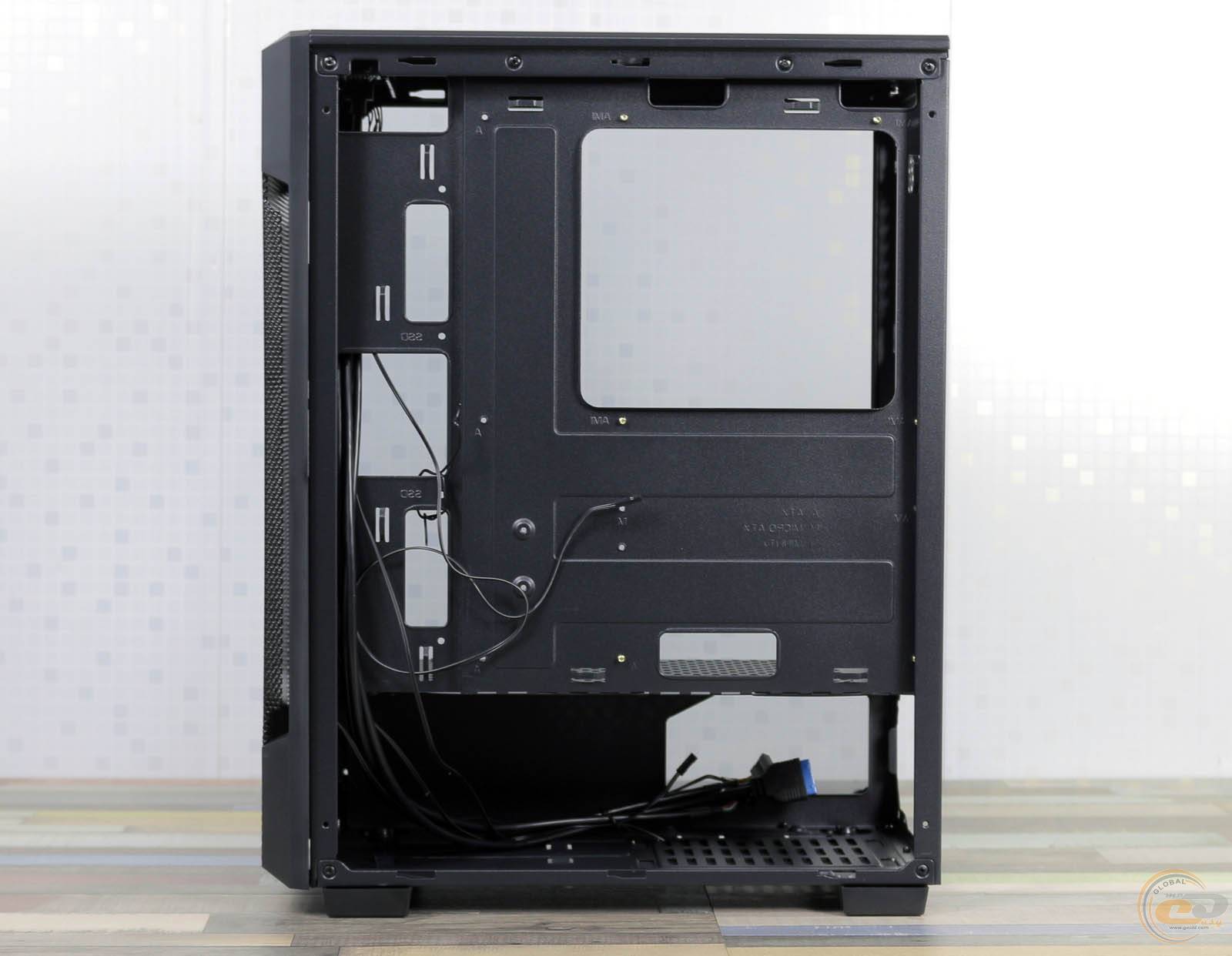
The motherboard tray features a very large cutout for convenient installation and removal of the CPU cooler with a backplate. Several holes and a whole array of tie mounts are provided for hidden cable management, ensuring there should be no problems with neatly placing cables behind the tray.
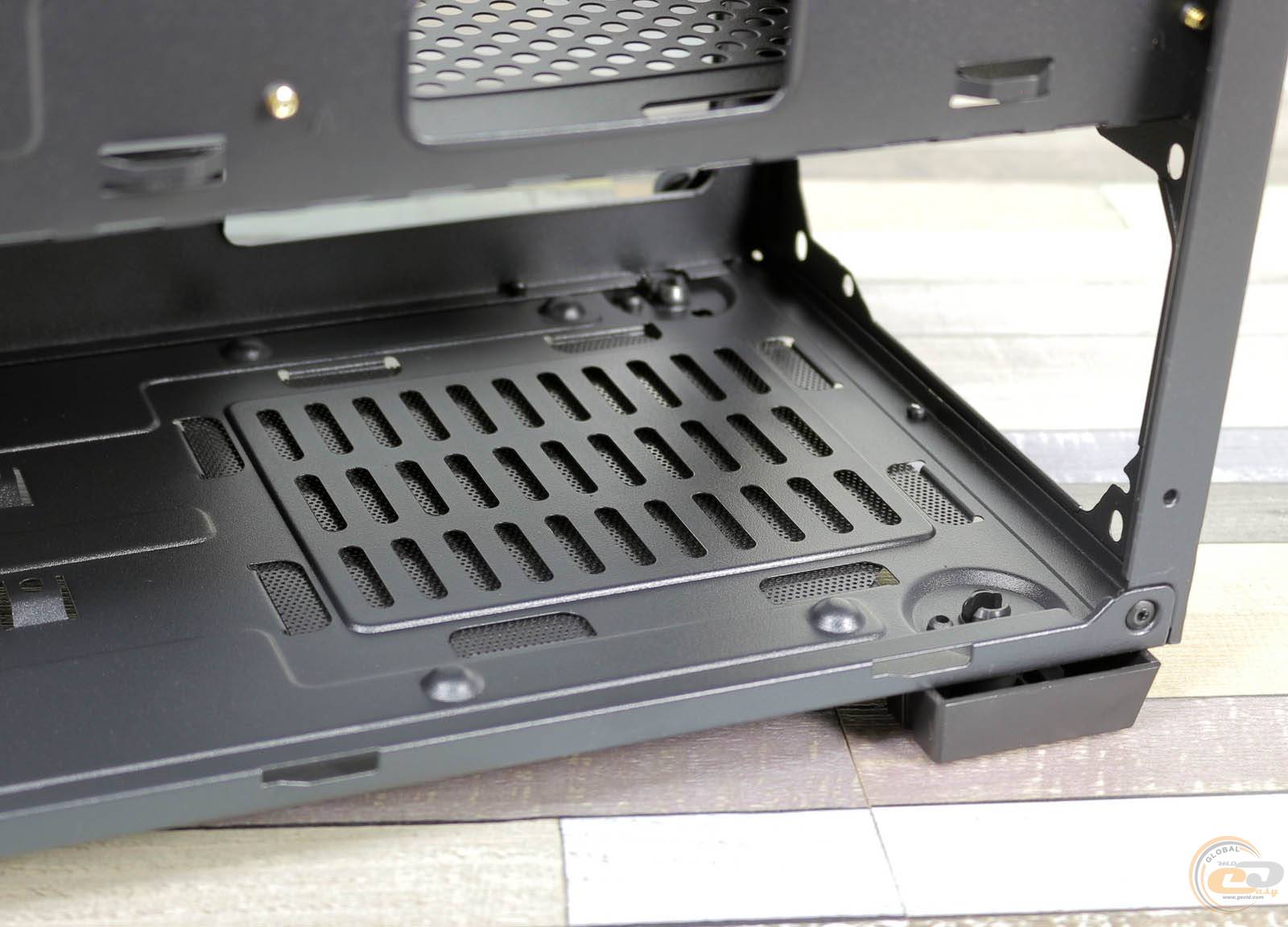
The power supply mounting area is not equipped with anti-vibration pads. According to our measurements, the maximum PSU length is 160 mm.
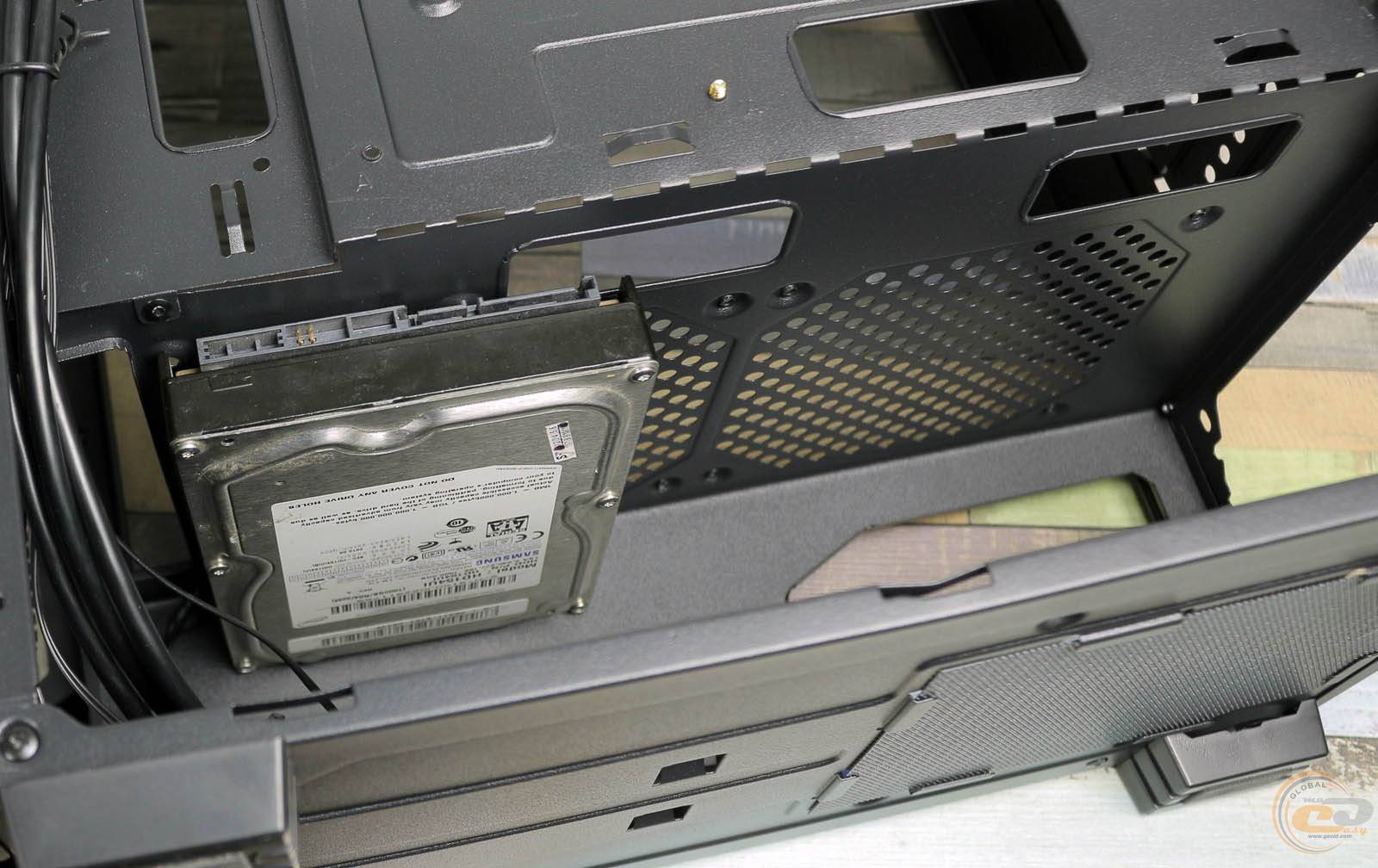
For installing drives, you have a pair of mounting spots for 2.5-inch models on the tray and another pair of spots for 2.5 or 3.5-inch devices on the reverse side of the shroud.
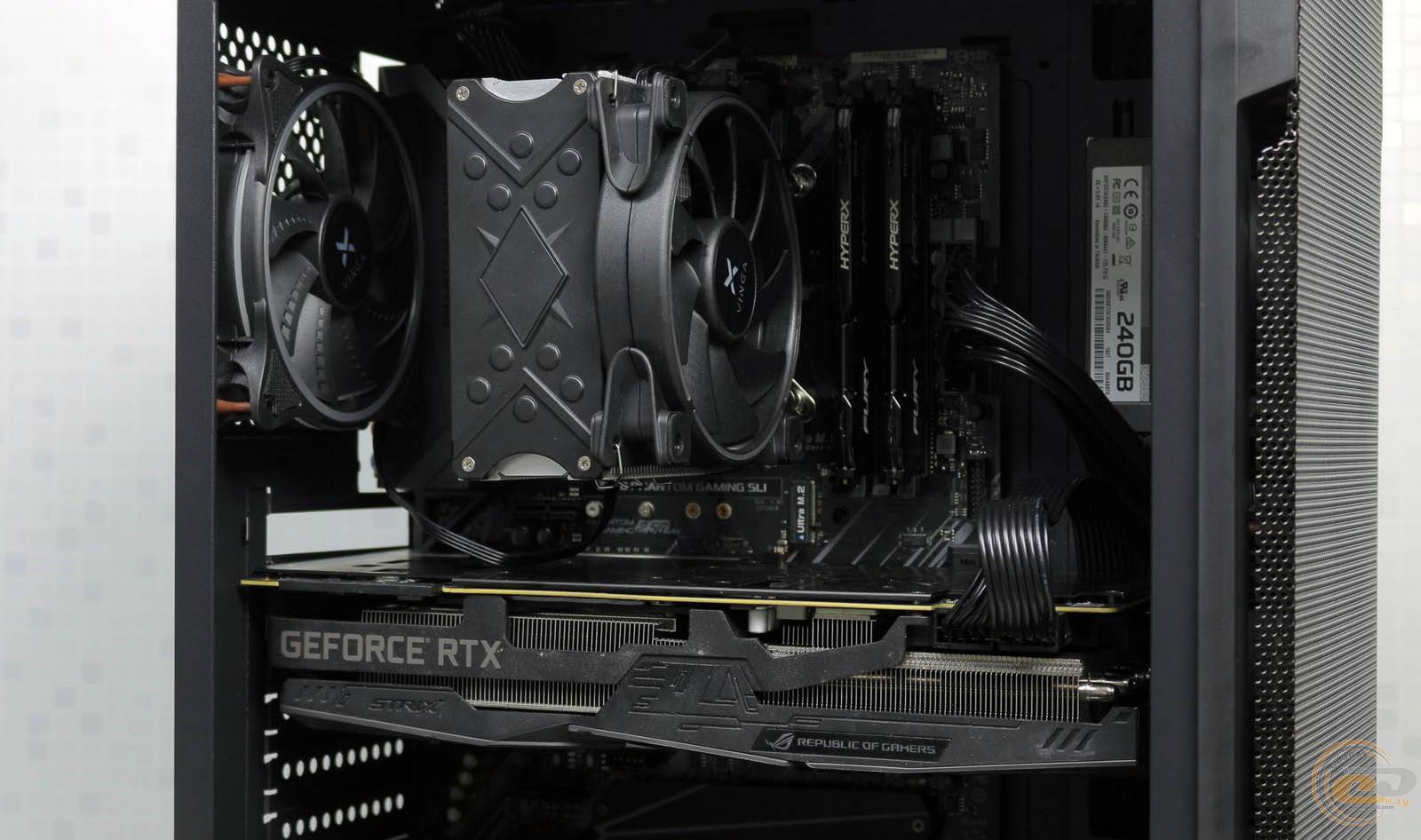
Let's move on to the assembly process. Vinga Wind supports motherboards in ATX, microATX, and Mini-ITX formats. For testing, we used the ASRock Z390 Phantom Gaming SLI model in ATX format. The length of the graphics cards should not exceed 315 mm, according to our measurements. The height of the CPU cooler is limited to 160 mm.
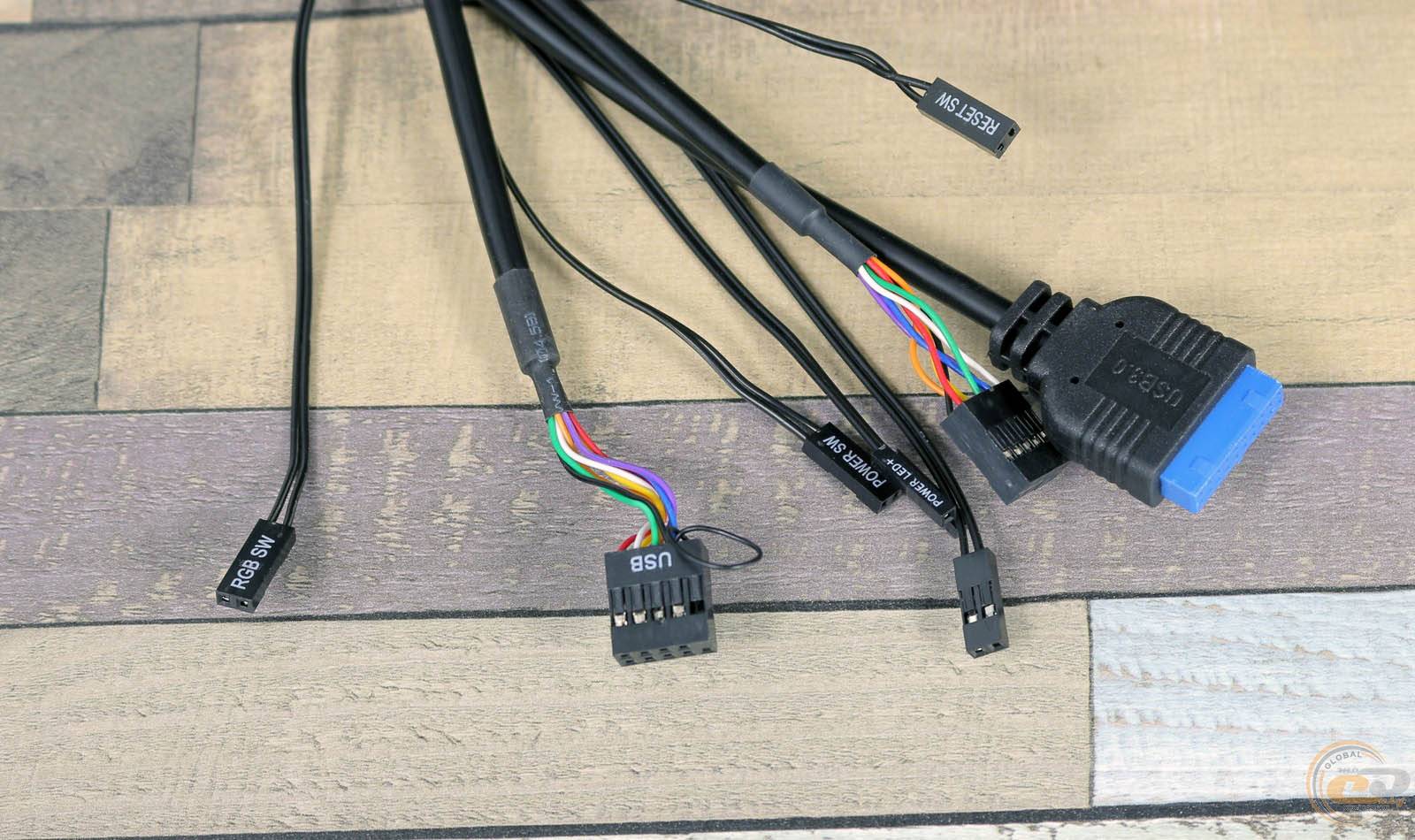
The cables from the front panel are long enough to be neatly routed to the motherboard.
|
Name |
Length |
|
USB 3.0 |
65 cm |
|
USB 2.0 |
65 cm |
|
HD Audio |
65 cm |
|
Buttons and Indicators |
65 cm |
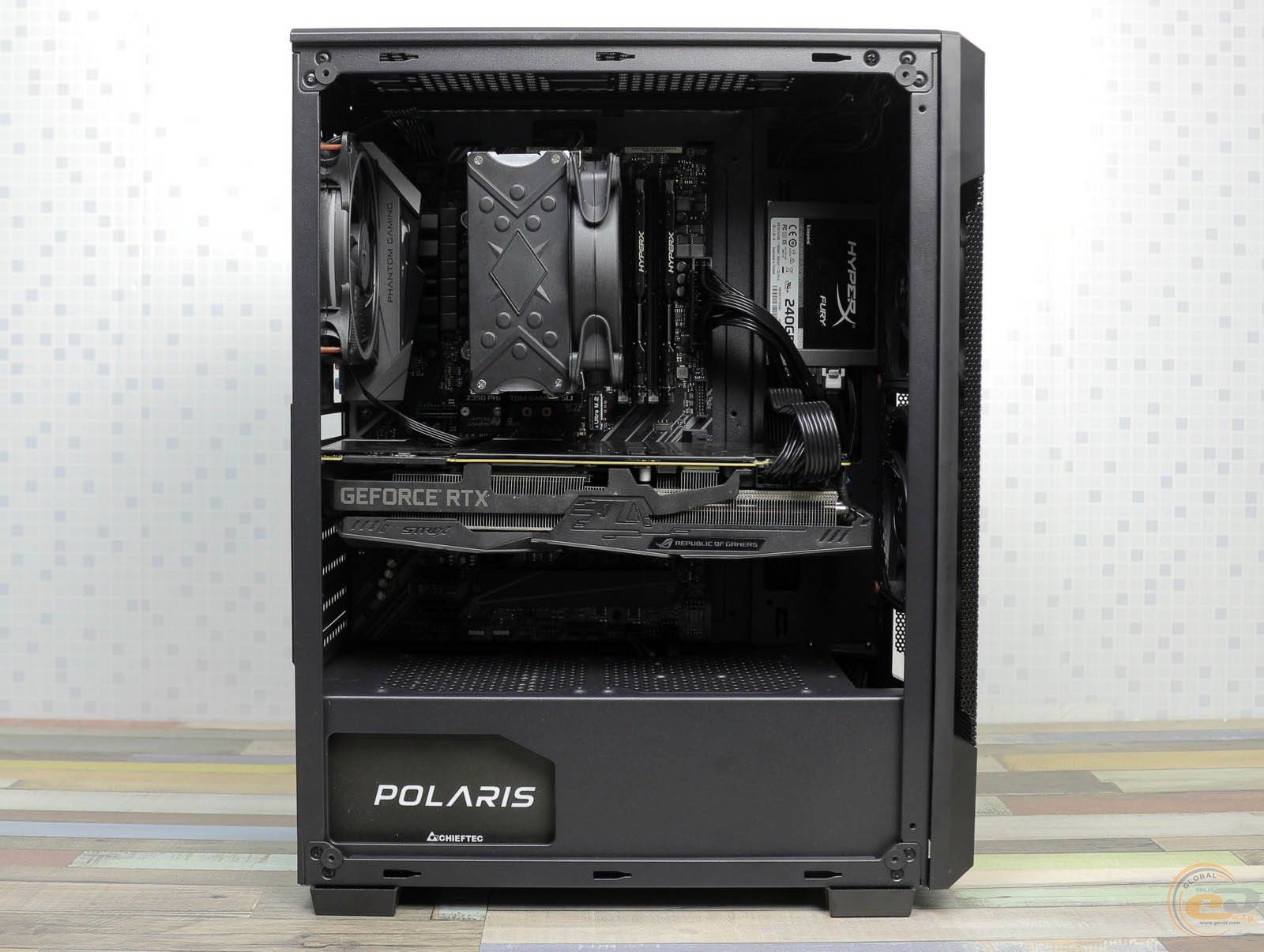
No issues arose during assembly. There is enough space behind the motherboard tray for cable management, allowing you to assemble and organize the interior of the case as neatly as possible.
Testing
|
Processor |
Intel Core i9-9900K (8 /16 x 3.6 – 5.0 GHz, 95W TDP) @ 4.7 GHz, 1.3V |
|
Cooler |
|
|
Motherboard |
ASRocK Fantom Gaming SLI (Intel Z390, Socket LGA1151, DDR4, ATX) |
|
RAM |
2 x DDR4-2400 8GB Kingston FURY (KHX2400C15D4) |
|
Graphics Card |
ASUS ROG Strix GeForce RTX 2080 Ti (1800 RPM (50%)) |
|
Storage |
Kingston FURY SSD (SHFS37A/240G) |
|
Power Supply |
CHIEFTEC POLARIS 850W |
|
Thermal Paste |
Cooler Master Mastergel maker |
The case comes without fans. For testing, we took three fans from the Vinga Wanderer-360 liquid cooling system, initially installing one for exhaust on the rear panel, and then two more for intake at the front. For testing, the speed of the case fans was fixed at 1800 RPM. The room temperature was 21°C.
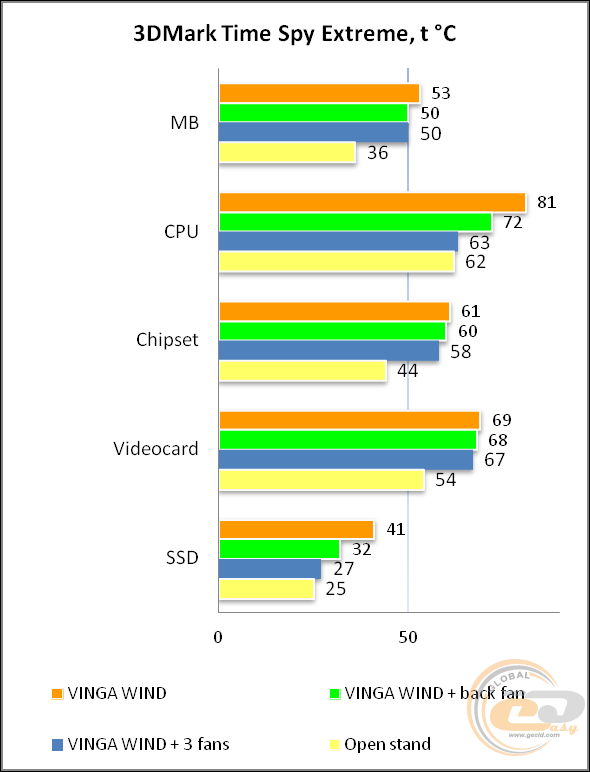
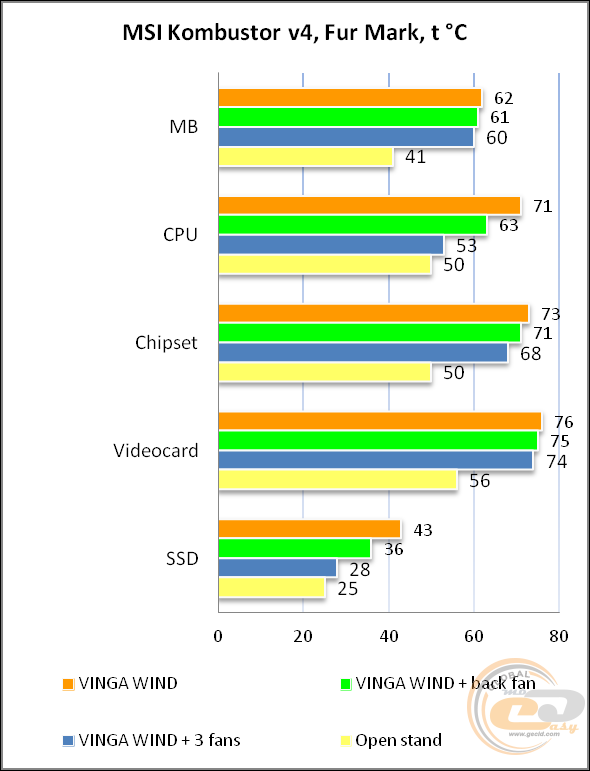
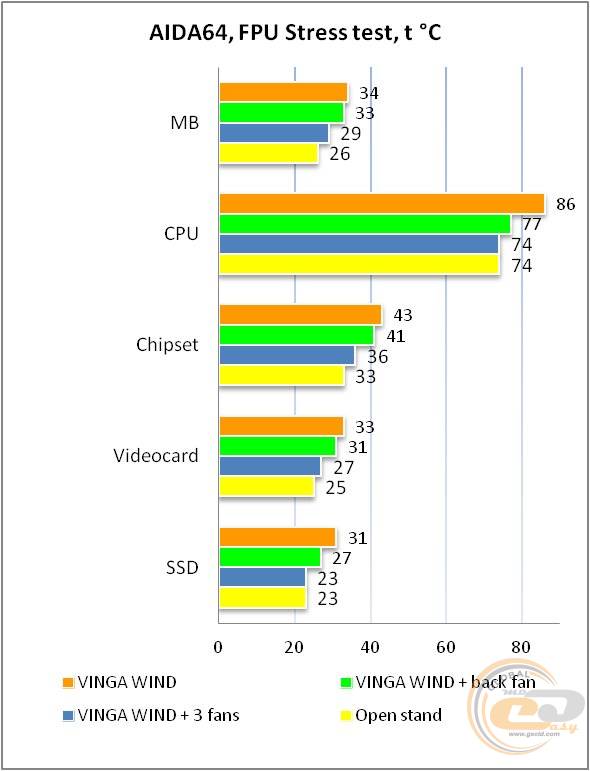
Under maximum load, created by a combination of MSI Kombustor and FurMark stress tests, the largest difference between the open stand and the case without fans reached 20°C for the graphics card, 21°C for the processor and motherboard, and 18°C for the SSD.
Installing one exhaust fan significantly reduces this substantial difference for the processor (from 21°C to 13°C) and the drive (from 18°C to 11°C). The temperature difference for the graphics card and motherboard is reduced by only 1-3°C.
Adding two more fans on the front panel further improves cooling... for the processor and drive. The temperature of the former dropped by another 10°C, and the latter by 8°C. However, the graphics card and motherboard did not feel much difference.
Nevertheless, the Vinga Wind case can be used for powerful gaming builds. The top-tier graphics card from the past heated up to a maximum of 76°C under stress load. Its critical temperature is 89°C. So, there will be no overheating in games. Perhaps fans on the top panel would allow for more effective temperature reduction.
Conclusion
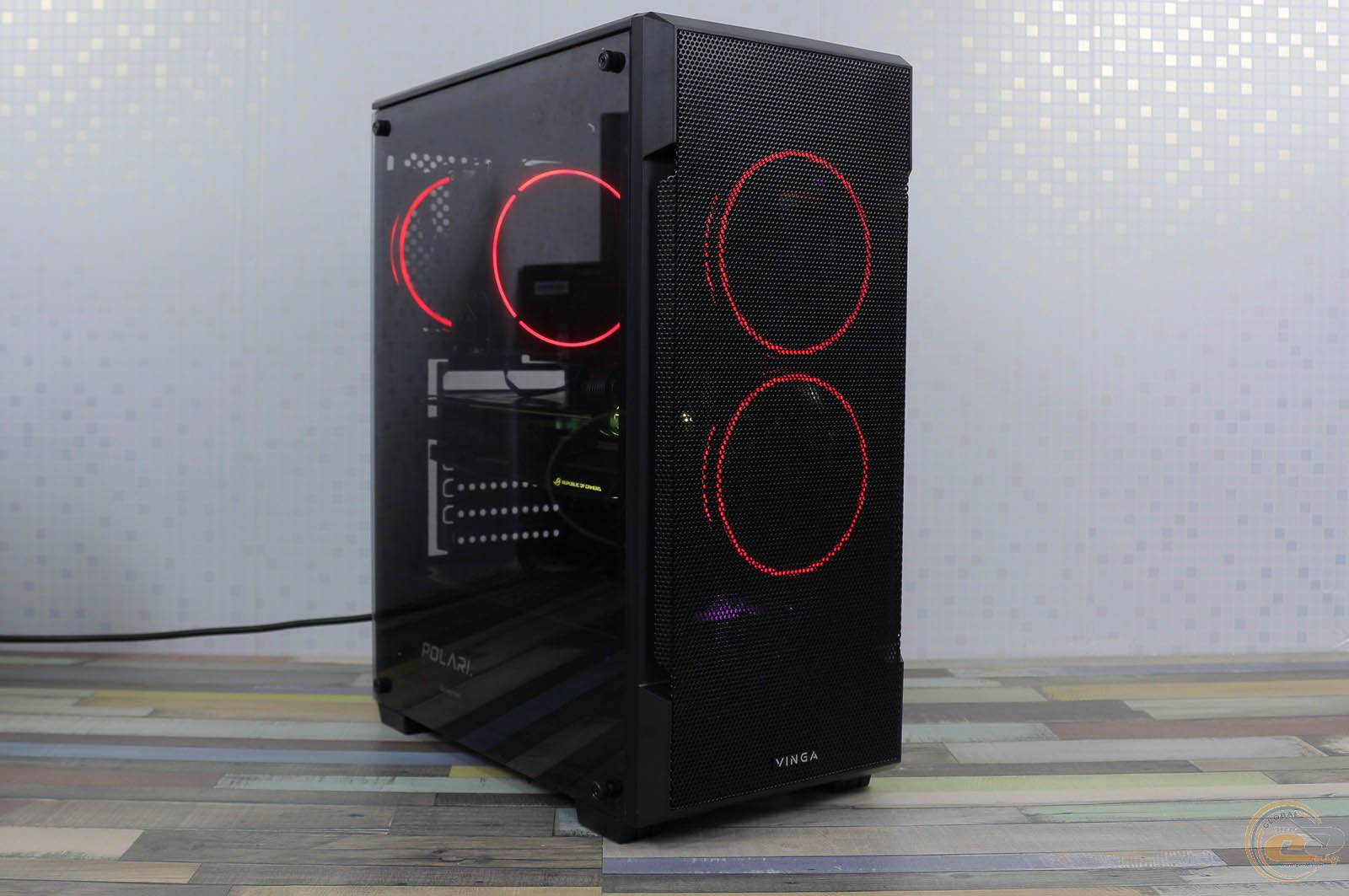
The Vinga Wind case boasts a reasonable price, excellent build quality, and a pleasant design. To reduce costs, it comes without fans. But if you plan to install powerful components, case fans are a must.
The model features a modern layout with a mesh front panel and a glass side panel. This combination looks great. Dust filters are present on the top and bottom panels, but not on the front. Inside, there is room for large components: graphics cards up to 300 mm long and CPU coolers up to 160 mm high. There is no traditional drive cage. Not everyone needs it, as more and more users are switching to M.2 SSDs.
Does the Vinga Wind have any weaknesses? Besides the lack of a dust filter on the front panel, we also note the absence of rubber gaskets at the power supply installation point. It was disappointing to see a slight decrease in the graphics card temperature when three case fans were installed. On the other hand, they had an excellent impact on the CPU and storage performance. Perhaps other fans would have performed better, or the installation scheme needs to be changed, but there was no time for such experiments. Especially since the temperature of the previously top graphics card, even without case fans, is far from critical.
As a result, the Vinga Wind is an interesting model in its segment with a combination of price, design, and capabilities. It looks especially impressive when adding fans with LED lighting.
Advantages:
- strict design;
- transparent side panel;
- magnetic attachment of the top filter;
- good quality chassis assembly, panel edge processing, and case painting;
- good compatibility with large graphics cards and coolers;
- presence of two dust filters;
- good capabilities for hidden cable management.
Features:
- no fans included;
- absence of a 3.5-inch drive cage;
- screw mounting for drives.

Author: Kostyantyn Shorokhov
Translation: Liliya Masyuk
Review on the website gecid.com